
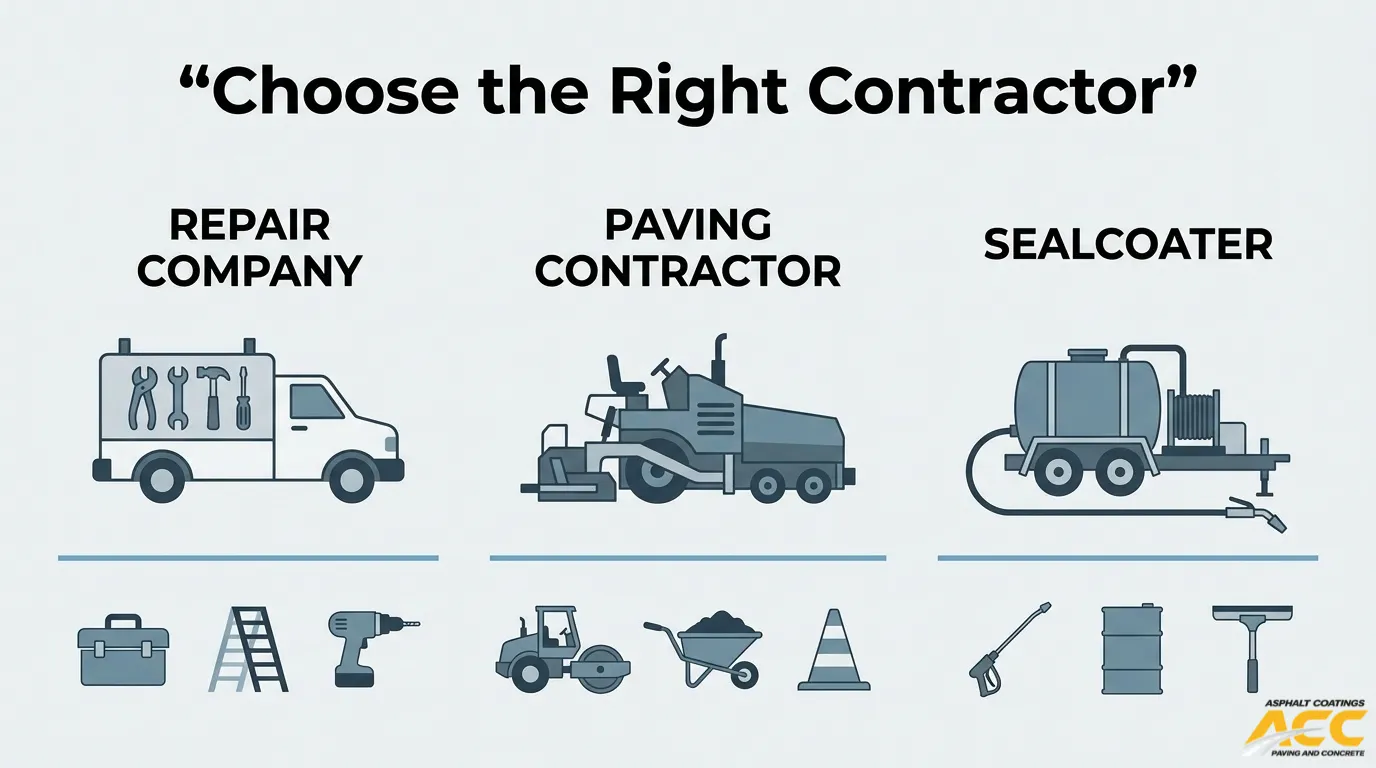
Parking Lot Repair Company vs. Paving Contractor vs. Sealcoater: Who Should You Call for Each Parking Lot Problem?
October 9, 2026
A parking lot repair company, a paving contractor, and a sealcoater are three distinct contractor types, each built to solve a different category of asphalt damage. Calling the wrong one wastes budget and leaves the actual problem unresolved. This guide covers contractor distinctions and licensing, problem-to-contractor matching, when to call each specialist, crack and joint
Read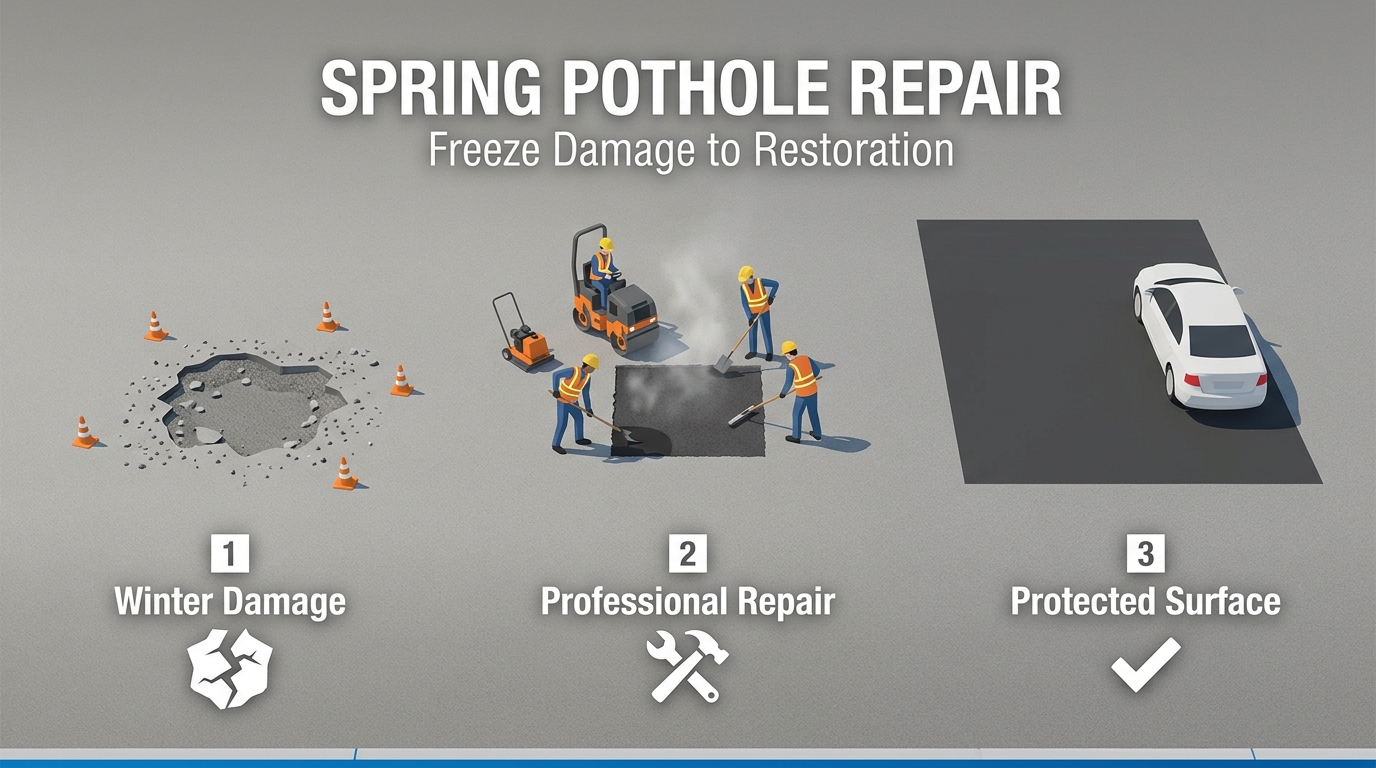
What Does Spring Pothole Repair Involve for Colorado Springs Commercial Lots After 150+ Freezing Nights?
June 25, 2026
Spring pothole repair for Colorado Springs commercial lots is the process of assessing, patching, and restoring asphalt pavement damaged by 150+ annual freezing nights at 6,035 feet elevation. It combines post-winter inspection, targeted repair methods, and preventive maintenance to protect commercial parking surfaces from recurring failure. This guide covers freeze-thaw damage mechanics, spring pavement assessment,
Read
What Are the Best Months to Schedule Commercial Paving in Colorado Springs?
June 25, 2026
The best months to schedule commercial paving in Colorado Springs are May through September, when sustained warm temperatures and stable ground conditions meet the strict thresholds required for proper asphalt compaction and curing. This guide covers Colorado Springs’ unique climate challenges, ideal temperature requirements for asphalt installation, the specific monthly paving windows, monsoon season scheduling,
Read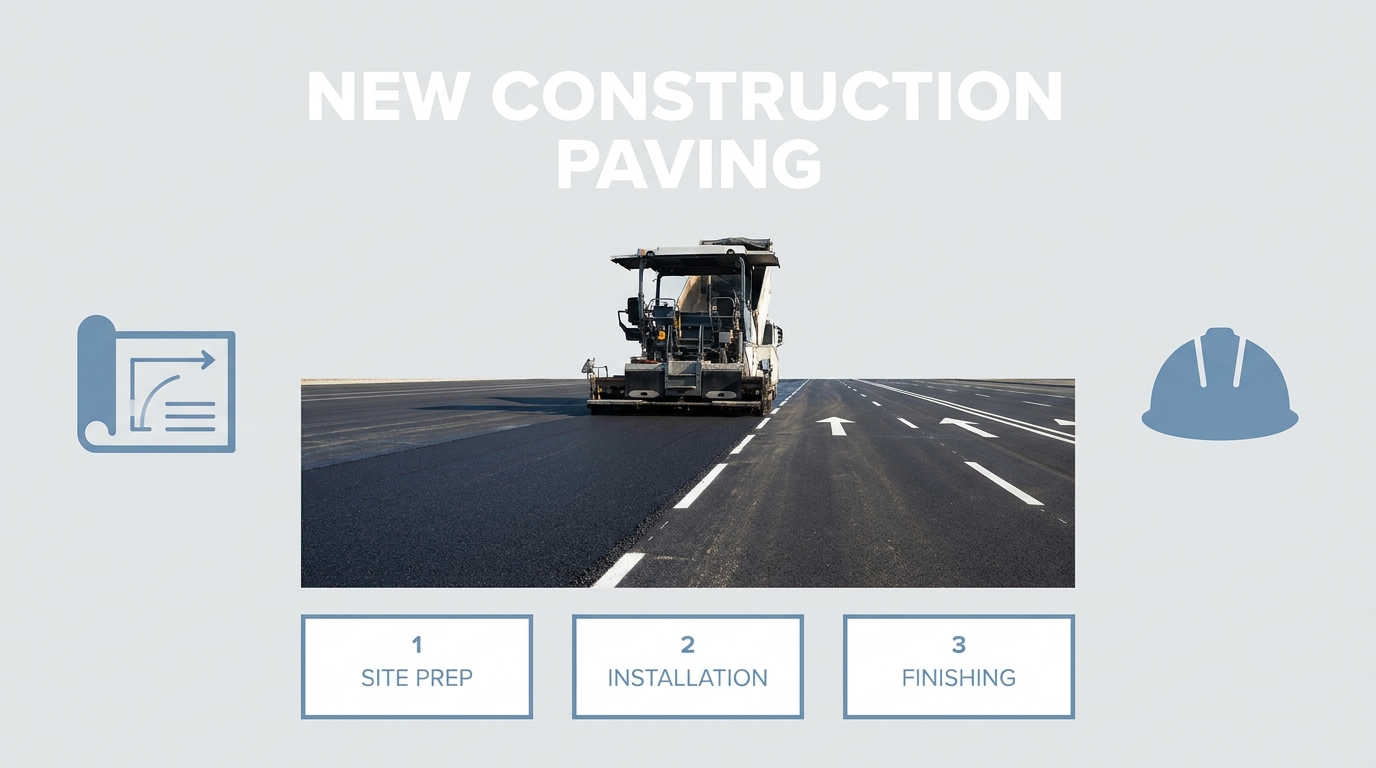
What Should You Expect During a New-Construction Paving Project in a Growing Colorado Springs Corridor?
June 25, 2026
A new-construction paving project in a growing Colorado Springs corridor is a multi-phase process that transforms raw land into a finished, code-compliant asphalt surface through sequential site preparation, engineered subbase work, hot-mix asphalt installation, and final striping. This guide covers site preparation and drainage infrastructure, project timelines and installation phases, freeze-thaw resilience and climate-adapted design,
Read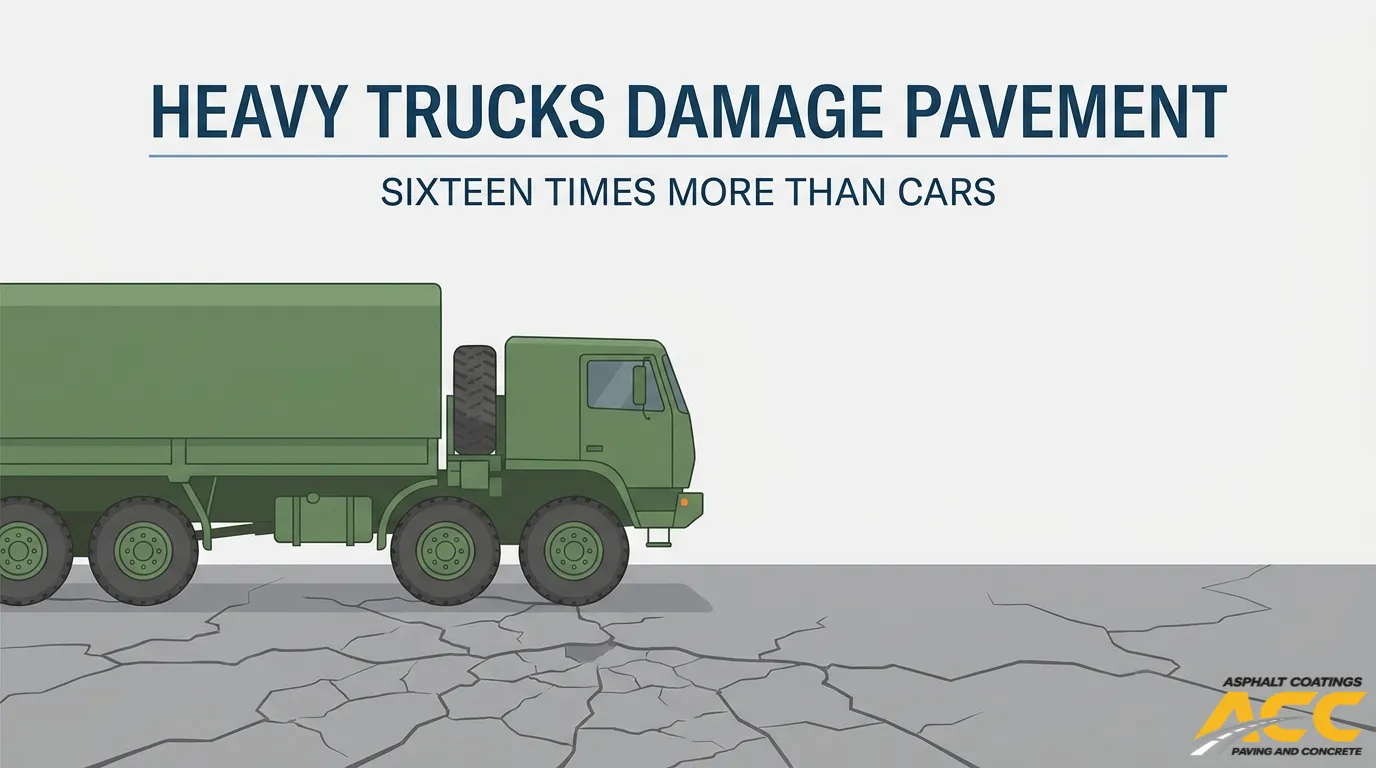
How Does Heavy Truck Traffic Near Fort Carson Shorten Pavement Life?
June 24, 2026
Heavy truck traffic near Fort Carson shortens pavement life by subjecting roads and parking lots to repeated military-grade loads that cause exponentially more damage than passenger vehicles. Pavement deterioration under these conditions follows a power-of-four relationship, meaning doubled vehicle weight produces roughly 16 times more structural harm. This guide covers Fort Carson’s traffic generation and
Read
What Are the Differences in Commercial Paving Permits Between Colorado Springs and Unincorporated El Paso County?
June 24, 2026
Commercial paving permits in the Colorado Springs area are regulated by separate agencies, portals, and codes depending on whether a project falls within city limits or unincorporated El Paso County. This guide covers permitting authorities and project types, application processes and portals, zoning and stormwater compliance, fees and inspection requirements, and seasonal and enforcement considerations.
Read
What Should Property Managers Know Before Commissioning Federally-Funded Paving in Colorado Springs?
June 24, 2026
Federally-funded paving in Colorado Springs is commercial pavement work financed through federal grant programs such as CDBG, FHWA allocations, or HUD accessibility grants, each carrying strict compliance obligations that property managers must satisfy from application through project closeout. This guide covers funding sources and eligibility, federal compliance mandates, procurement rules, climate-driven specifications, inspection and reporting
Read
Do You Need a Grading and Erosion Control Permit for Your Colorado Springs Lot Project?
June 23, 2026
A Grading and Erosion Control (GEC) Permit is a city-issued authorization required before any clearing, grading, excavation, or filling begins on a property in Colorado Springs. The permit ensures land-disturbing activities comply with municipal stormwater regulations and protect surrounding properties and waterways. This guide covers permit definitions and triggers, the application process, required erosion control
Read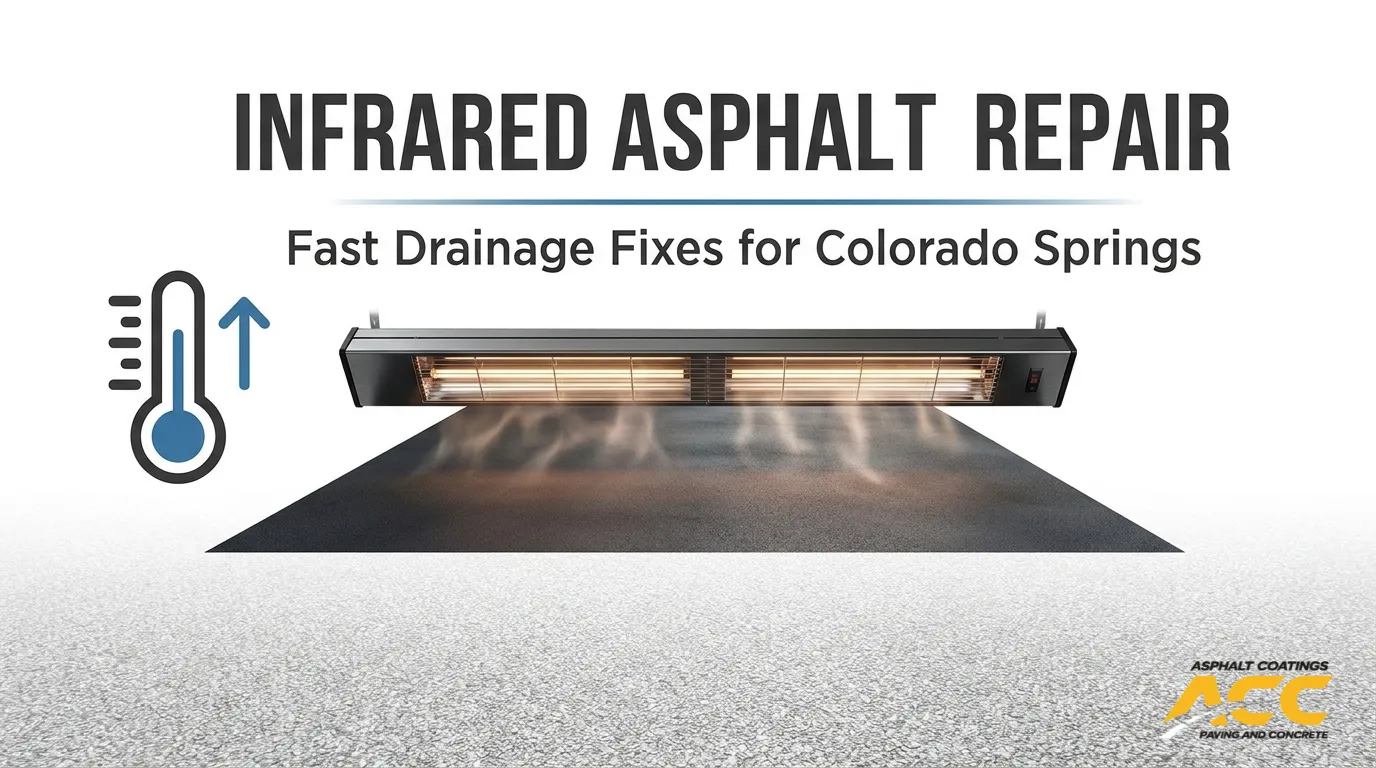
Infrared Asphalt Repair: A Faster Fix for Colorado Springs Low Spots & Ponding
June 23, 2026
Infrared asphalt repair is a heat-based pavement correction method that softens existing asphalt so crews can regrade low spots, eliminate ponding, and restore proper drainage without full removal. It is one of the most efficient tools available for commercial property managers in Colorado Springs. This guide covers how the infrared process works, why low spots
Read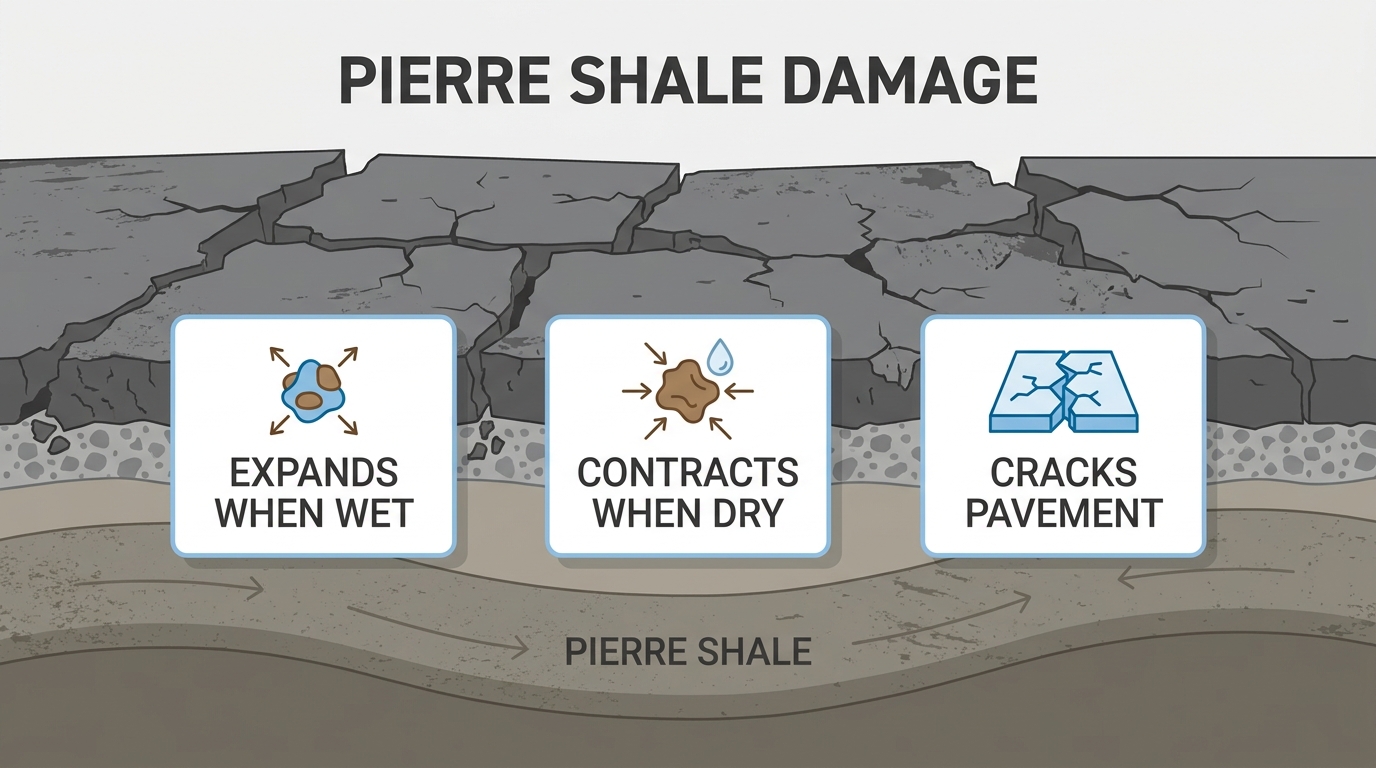
Why Do Expansive Pierre Shale Soils Crack Denver Commercial Pavements?
June 23, 2026
Pierre Shale is a Late Cretaceous marine shale formation rich in smectite and montmorillonite clay minerals that swell when wet and shrink when dry, generating a relentless swell-shrink cycle beneath Denver commercial pavements. This cycle is the primary reason parking lots, loading areas, and access roads across the metro area develop cracking, heaving, and settlement
Read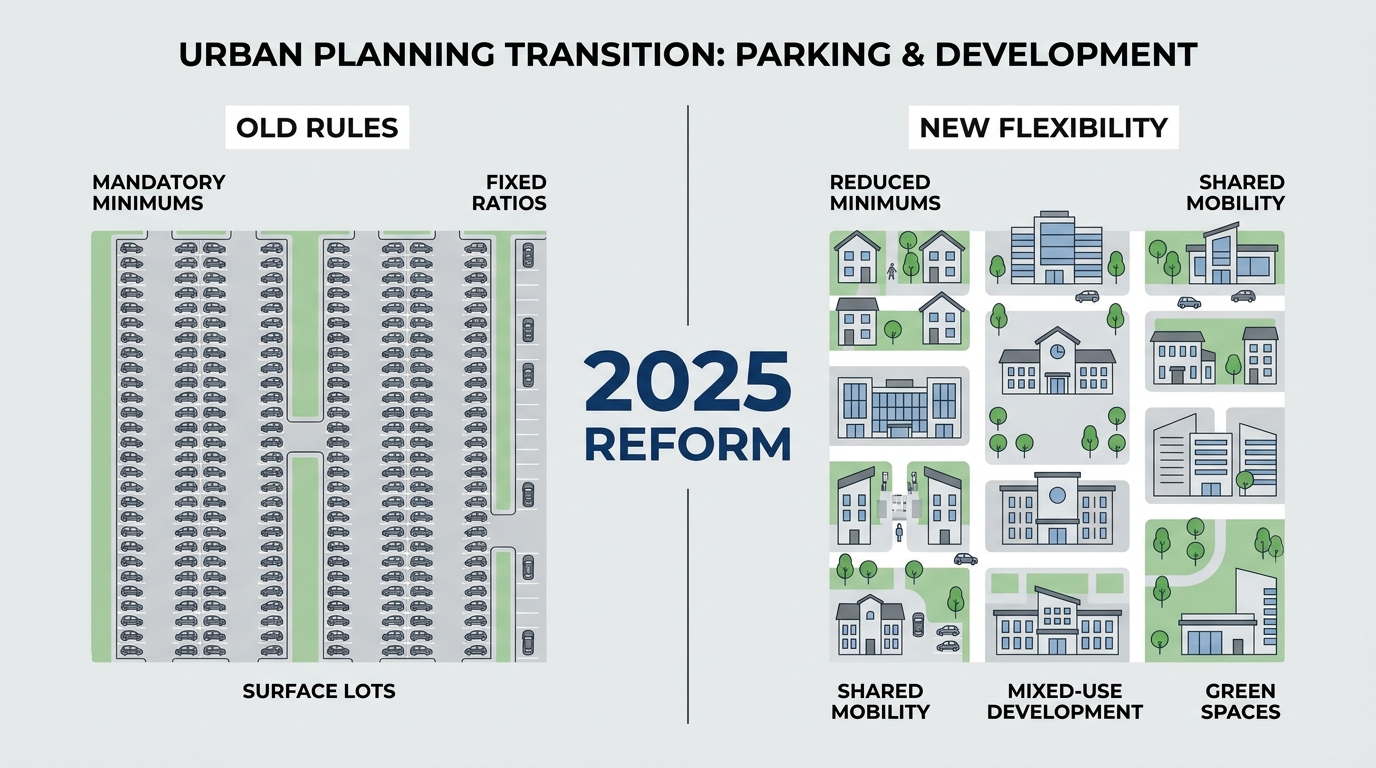
What Does Denver’s 2025 Elimination of Parking Minimums Mean for Commercial Property Owners?
June 23, 2026
Denver’s elimination of parking minimums is a citywide zoning reform that removes all mandatory parking space ratios for new developments, giving commercial property owners full control over how much parking to build or retain. This guide covers the policy’s origins and mechanics, its impact on existing commercial properties, new development and monetization opportunities, right-sizing parking
Read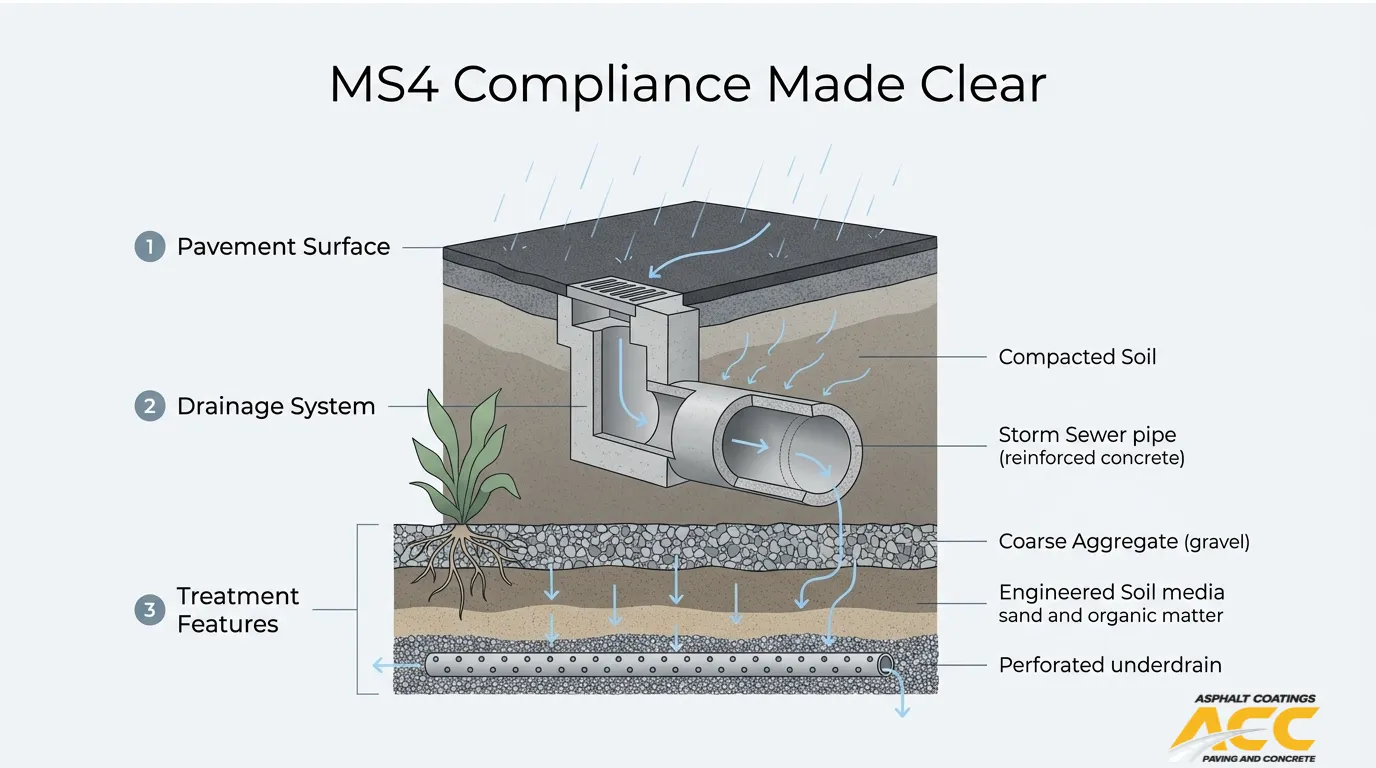
What Does Colorado Springs’ MS4 Stormwater Permit Mean for Your Next Repaving Project?
June 23, 2026
Colorado Springs’ MS4 stormwater permit is a regulatory authorization governing how stormwater runoff is managed and discharged through the city’s Municipal Separate Storm Sewer System, and it directly shapes the scope, cost, and compliance requirements of commercial repaving projects. This guide covers the MS4 permit framework and its triggers for repaving, construction-phase and post-construction BMP
Read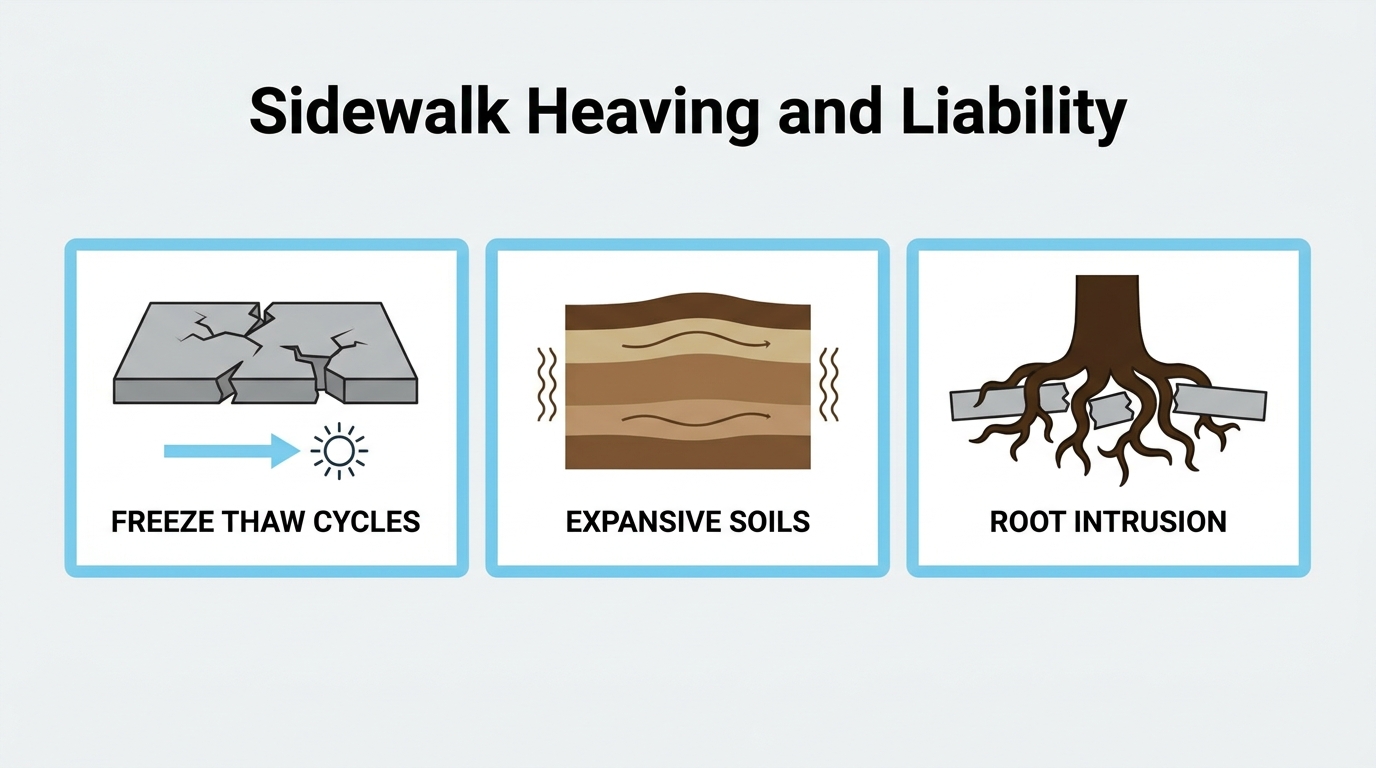
Why Do Colorado Springs Sidewalks Heave and Create Trip-Hazard Liability?
June 23, 2026
Trip-hazard liability in Colorado Springs is the legal and financial exposure property owners face when heaved, cracked, or uneven sidewalks cause pedestrian injuries. Colorado Springs City Code 3.4.103 makes every owner and occupant of real property primarily liable in tort for injuries on abutting public sidewalks, setting a strict local standard that goes beyond default
Read