
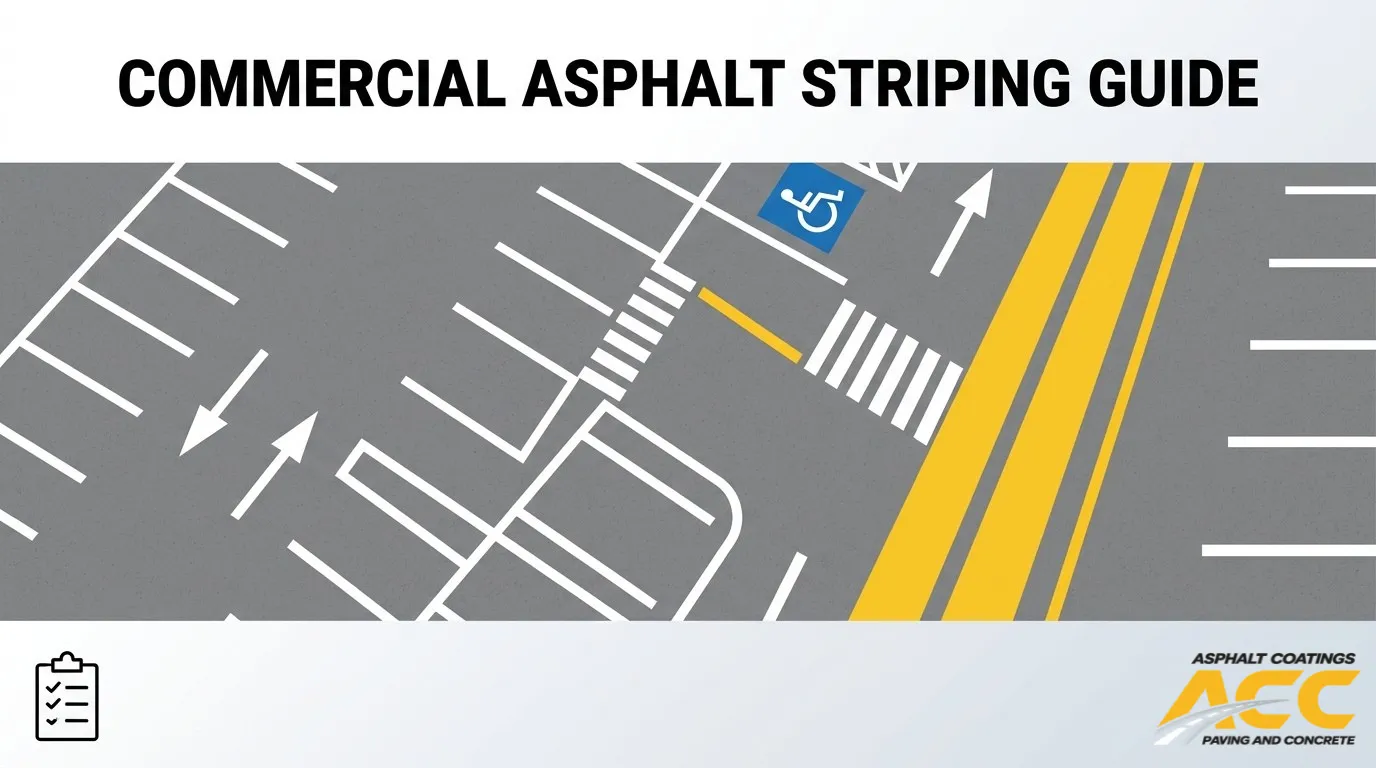
Commercial Asphalt Striping & Marking Process Guide
August 27, 2026
Commercial asphalt striping is the application of painted lines, symbols, and markings to parking lots, drive lanes, and loading areas on commercial properties. These markings direct traffic flow, define parking stalls, designate accessible spaces, and communicate safety zones. This guide covers project planning and code compliance, surface preparation and pavement repair, marking types and material
Read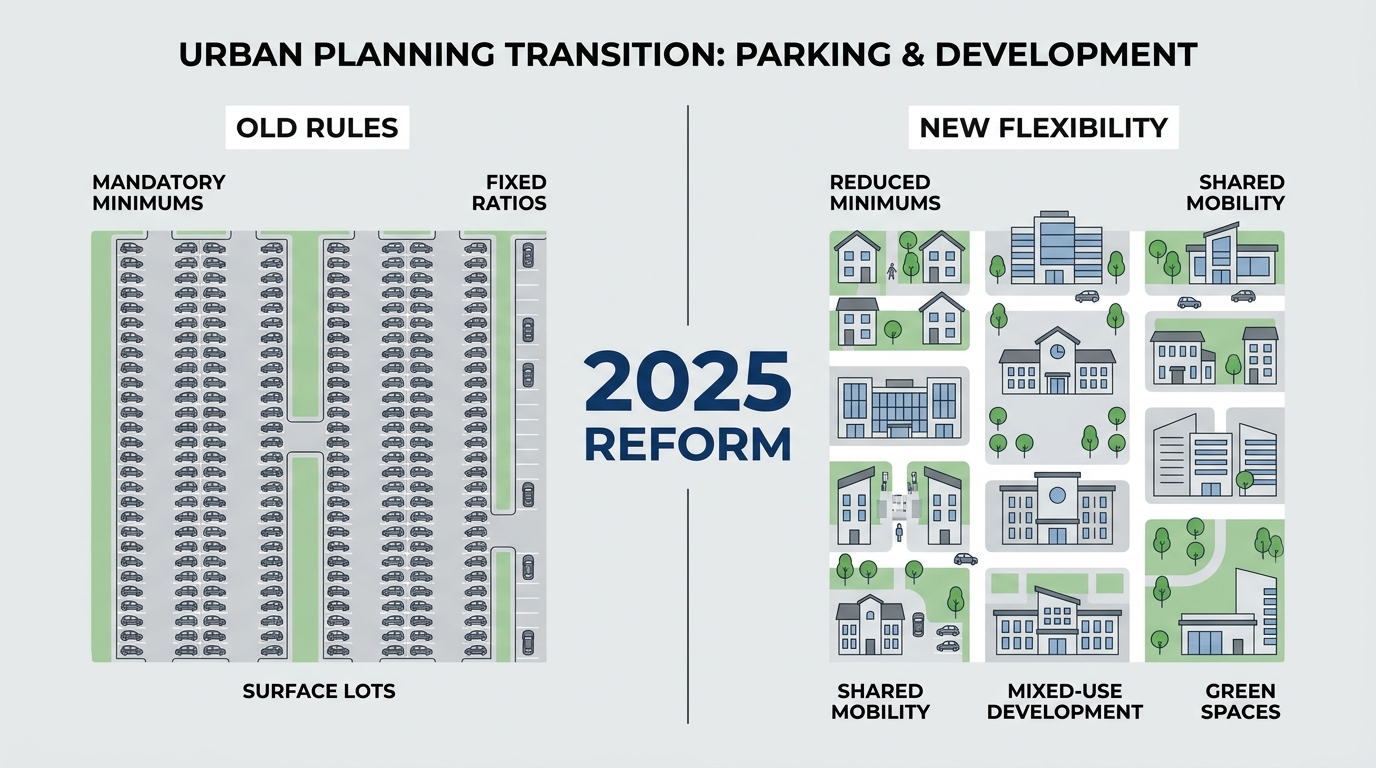
What Does Denver’s 2025 Elimination of Parking Minimums Mean for Commercial Property Owners?
June 23, 2026
Denver’s elimination of parking minimums is a citywide zoning reform that removes all mandatory parking space ratios for new developments, giving commercial property owners full control over how much parking to build or retain. This guide covers the policy’s origins and mechanics, its impact on existing commercial properties, new development and monetization opportunities, right-sizing parking
Read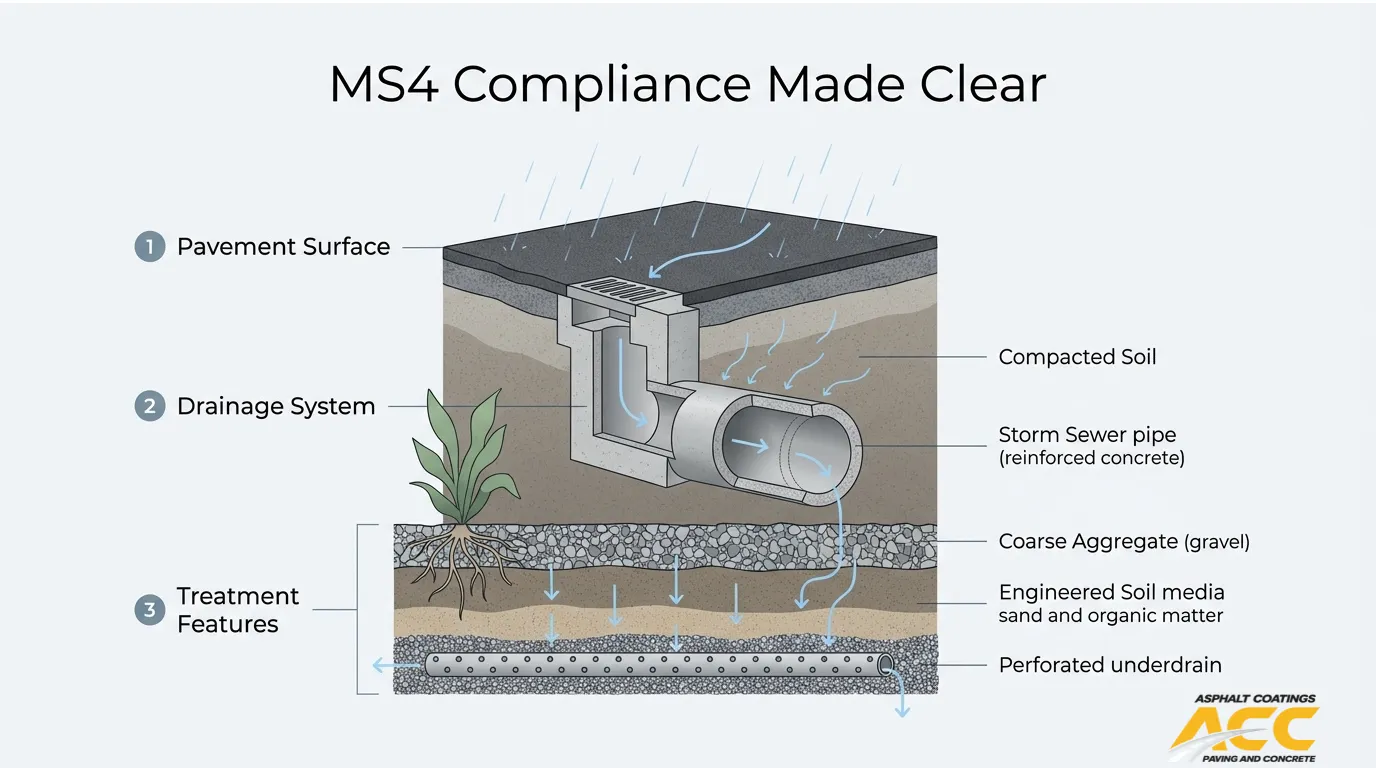
What Does Colorado Springs’ MS4 Stormwater Permit Mean for Your Next Repaving Project?
June 23, 2026
Colorado Springs’ MS4 stormwater permit is a regulatory authorization governing how stormwater runoff is managed and discharged through the city’s Municipal Separate Storm Sewer System, and it directly shapes the scope, cost, and compliance requirements of commercial repaving projects. This guide covers the MS4 permit framework and its triggers for repaving, construction-phase and post-construction BMP
Read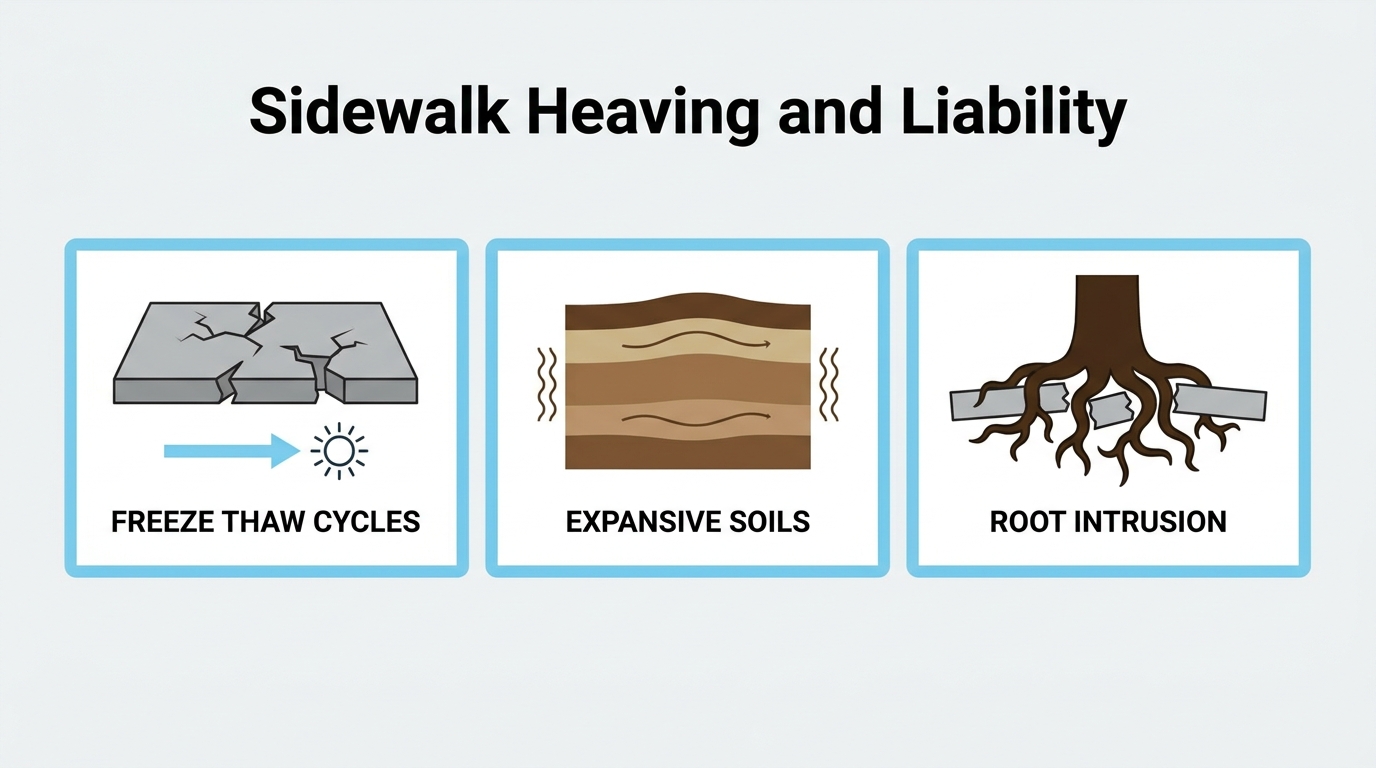
Why Do Colorado Springs Sidewalks Heave and Create Trip-Hazard Liability?
June 23, 2026
Trip-hazard liability in Colorado Springs is the legal and financial exposure property owners face when heaved, cracked, or uneven sidewalks cause pedestrian injuries. Colorado Springs City Code 3.4.103 makes every owner and occupant of real property primarily liable in tort for injuries on abutting public sidewalks, setting a strict local standard that goes beyond default
Read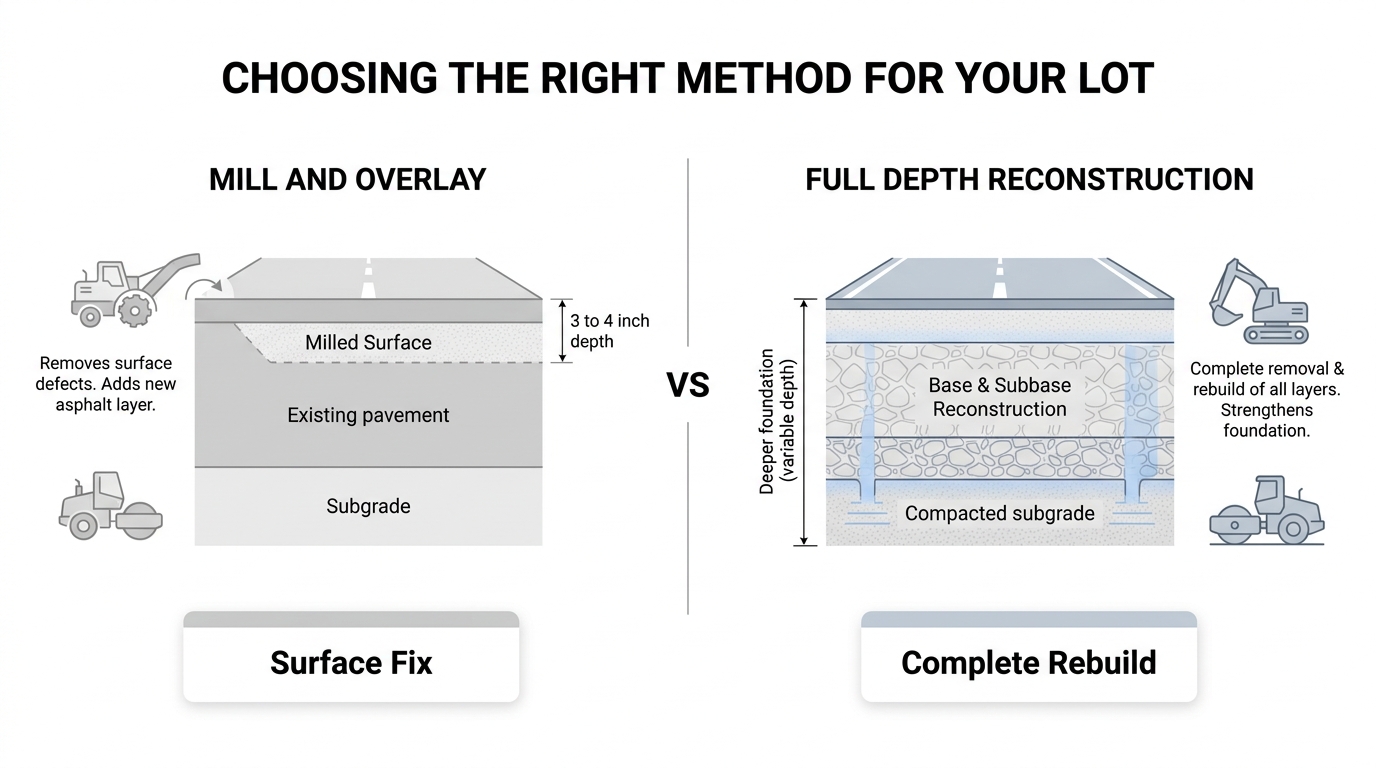
What Should You Choose Between Mill-and-Overlay and Full-Depth Reconstruction for Aging Colorado Springs Industrial Lots?
June 23, 2026
Mill-and-overlay is a pavement rehabilitation method that removes deteriorated surface asphalt and replaces it with fresh hot-mix asphalt, while full-depth reconstruction removes the entire pavement section and rebuilds from the subgrade up. Choosing the right method for an aging Colorado Springs industrial lot depends on structural condition, soil stability, climate exposure, and long-term cost. This
Read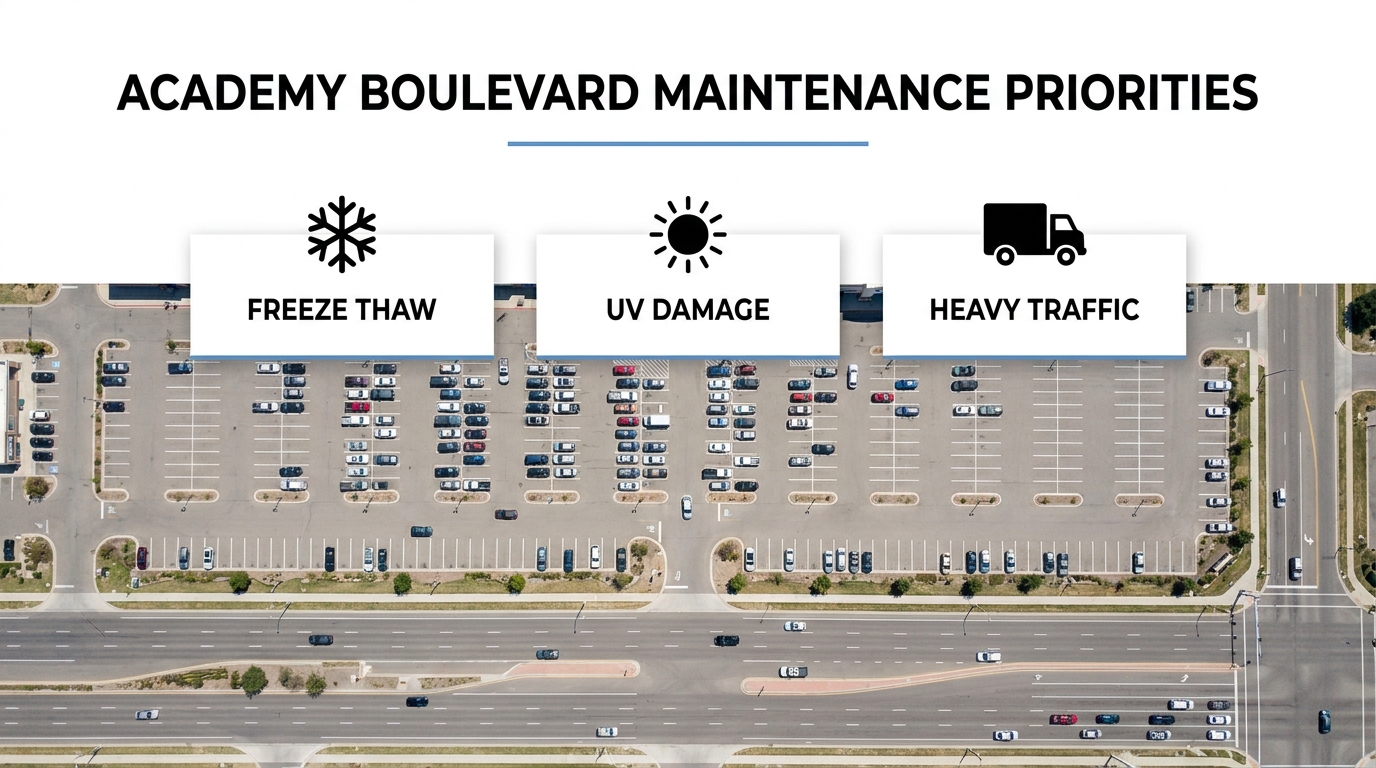
What Are the Asphalt Maintenance Priorities for High-Turnover Retail Centers Along Academy Boulevard?
June 23, 2026
Asphalt maintenance for high-turnover retail centers along Academy Boulevard is a structured program of preventive treatments, severity-based repairs, and long-term planning designed to protect pavement under Colorado Springs’ uniquely harsh conditions. This guide covers Academy Boulevard’s environmental and traffic stressors, common pavement distresses in retail lots, severity-based repair prioritization, seasonal scheduling, the revenue impact of
Read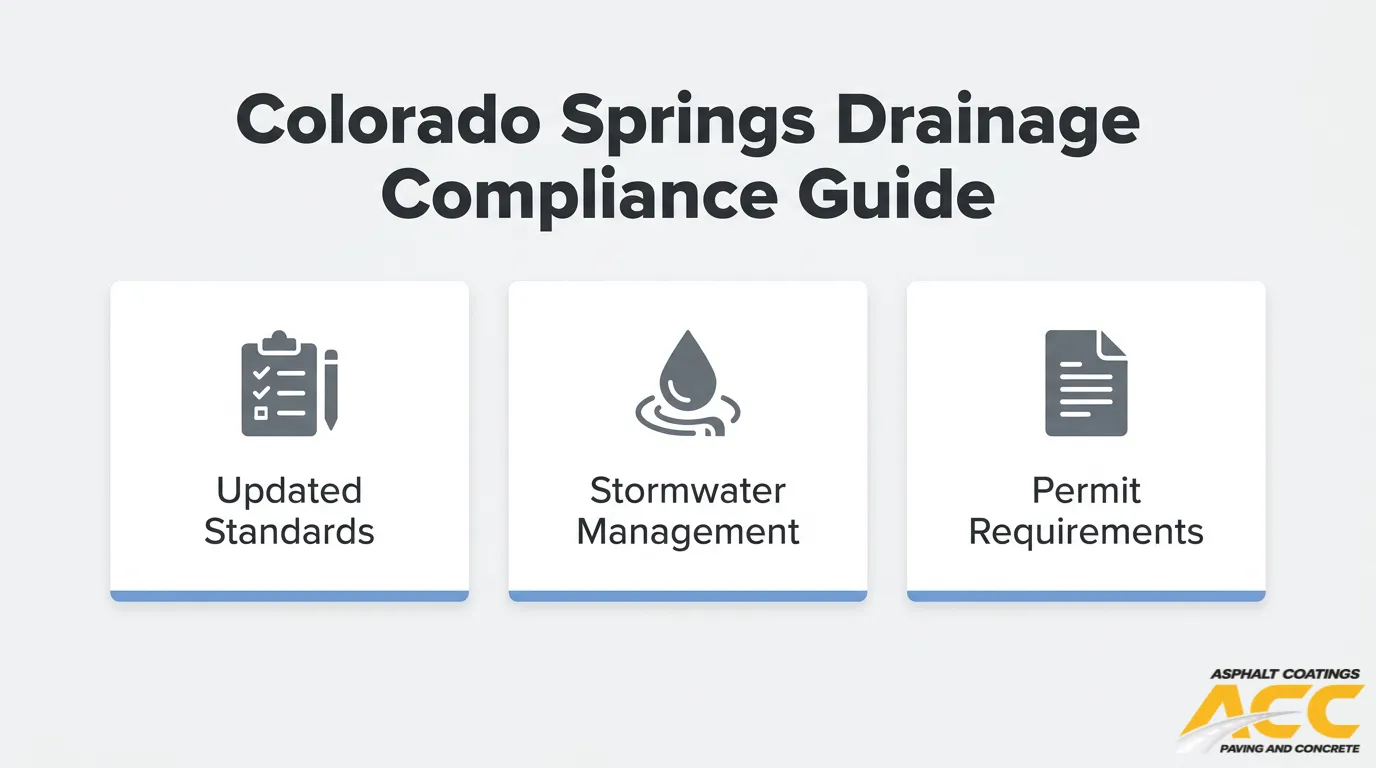
How Do You Navigate Colorado Springs’ Updated Drainage Criteria Manual for Commercial Paving?
June 22, 2026
Colorado Springs’ updated Drainage Criteria Manual (DCM) is the city’s consolidated regulatory document governing stormwater detention, water quality treatment, erosion control, and best management practices for all commercial development and redevelopment sites. It carries binding enforcement authority under the city’s MS4 Permit, Consent Decree, and Intergovernmental Agreement with Pueblo County. This guide covers the manual’s
Read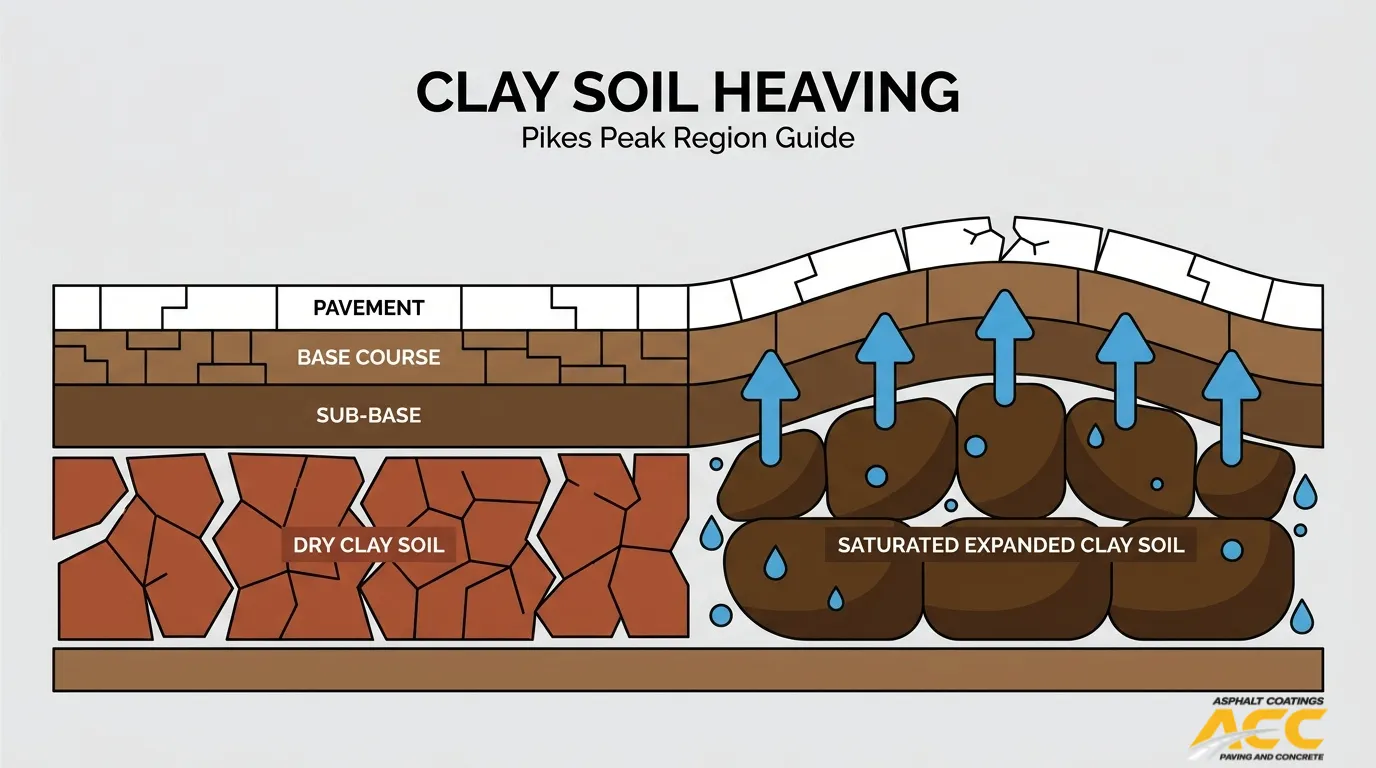
Why Do Expansive Clay Soils Cause Parking-Lot Heaving Across the Pikes Peak Region?
June 22, 2026
Expansive clay soil heaving in the Pikes Peak region is the upward displacement of parking-lot pavement caused by moisture-sensitive clay minerals in the subgrade that swell when wet and shrink when dry. The Pierre Shale and Dawson formations underlying much of Colorado Springs contain montmorillonite, smectite, and illite clays capable of generating forces that far
Read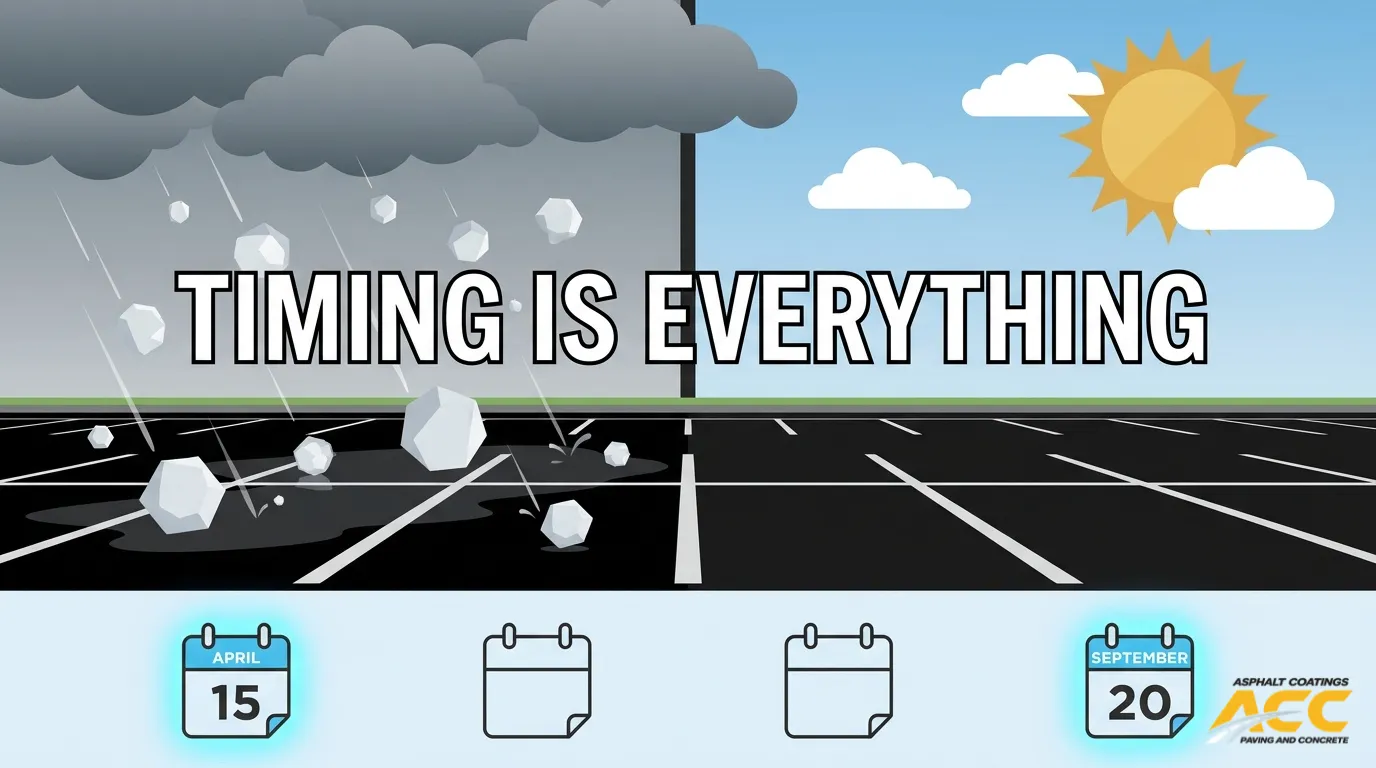
How Should You Schedule Commercial Sealcoating Around Colorado Springs’ Summer Hail Season?
June 22, 2026
Scheduling commercial sealcoating around Colorado Springs’ summer hail season means timing your project within narrow weather windows that fall before or after the region’s peak storm activity, which runs from mid-April through mid-September. This guide covers hail season timing and its threat to fresh sealcoat, pre-season and post-season scheduling windows, cure requirements and application-day conditions,
Read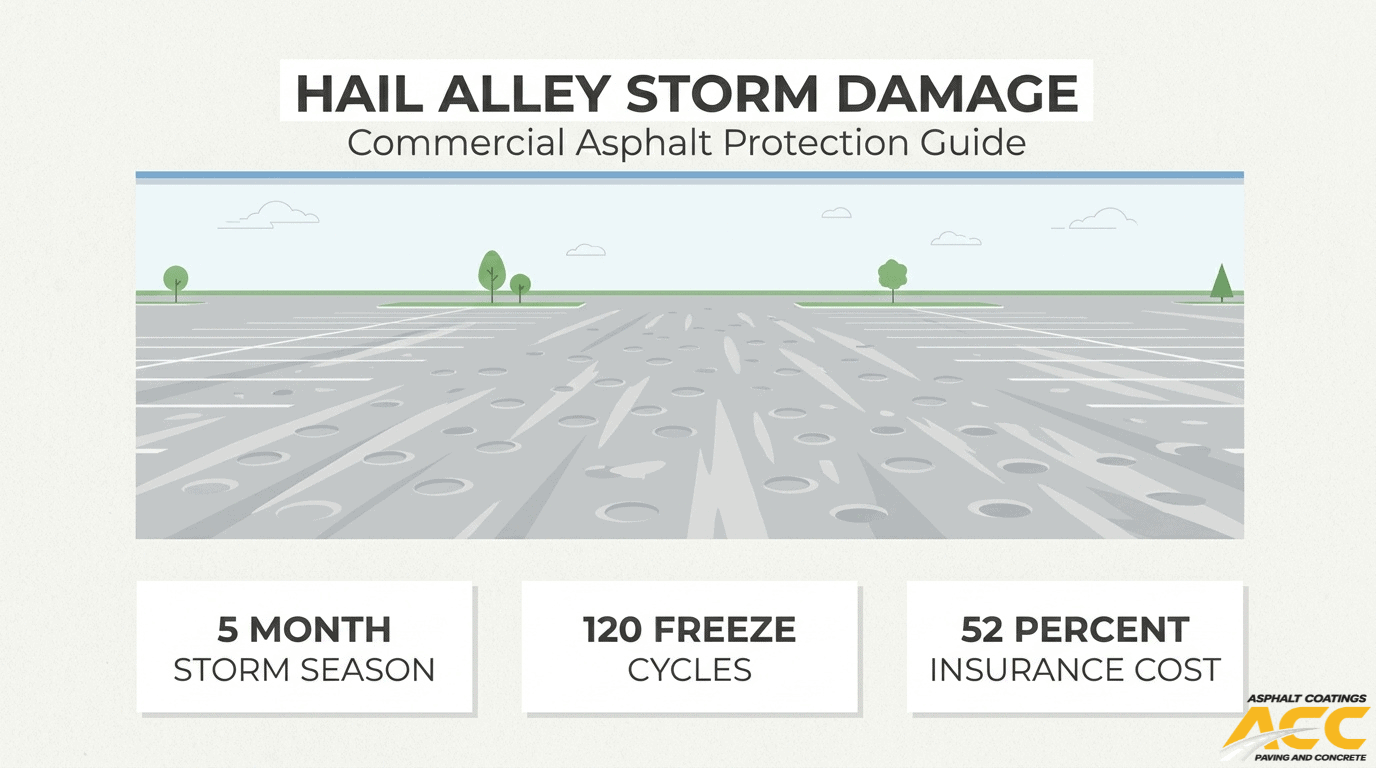
How Does Hail Alley Storm Season Damage Commercial Asphalt in Colorado Springs?
June 22, 2026
Hail Alley storm season damages commercial asphalt in Colorado Springs through direct impact fracturing, progressive binder erosion, and compounding weathering forces that exploit every crack hailstones leave behind. Colorado’s Front Range receives the highest frequency of large hail in North America, and the city’s five-month storm window concentrates repeated punishment on parking lots, access lanes,
Read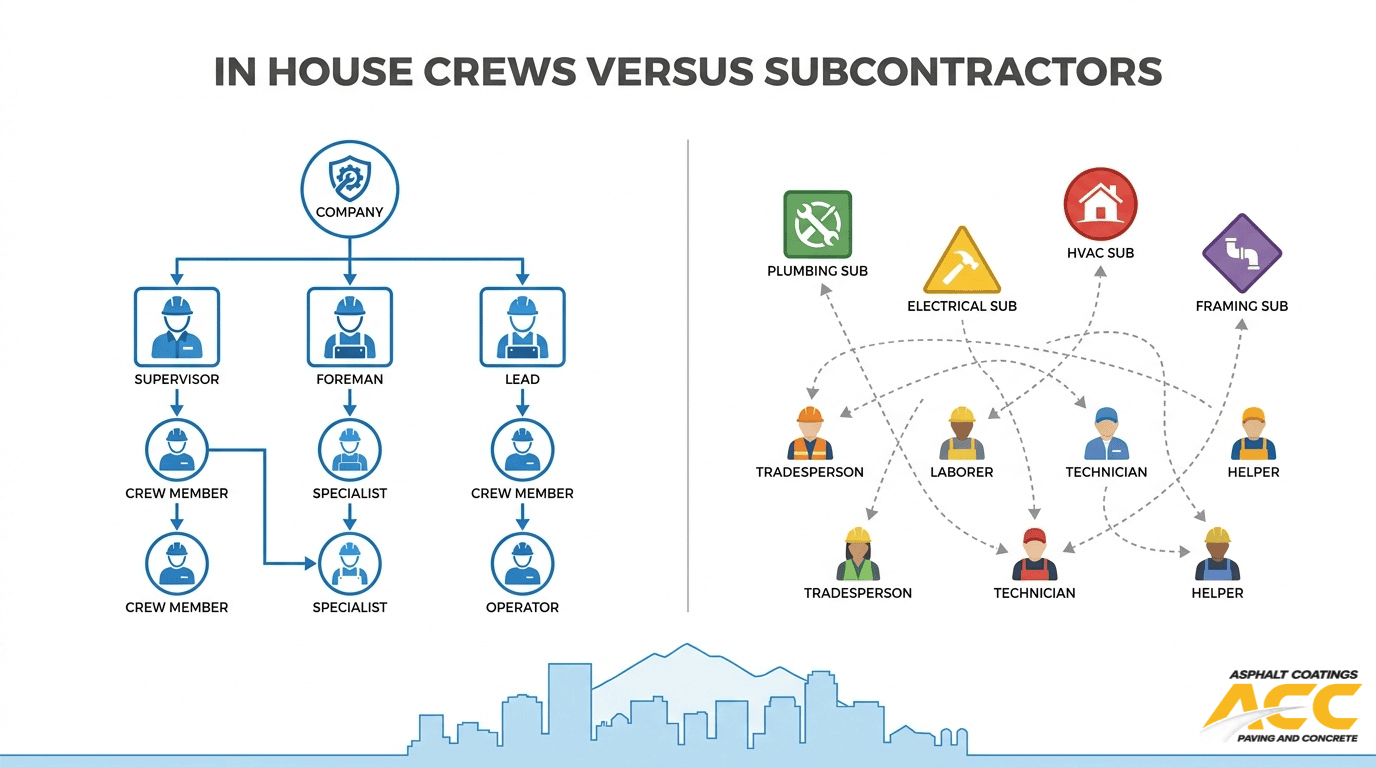
Why Do In-House Paving Crews Outperform Subcontractors on Colorado Springs Commercial Projects?
June 22, 2026
In-house paving crews outperform subcontractors on Colorado Springs commercial projects because direct employment gives one company unified control over quality, scheduling, cost, and accountability across every construction phase. This guide covers crew structure differences and their impact on commercial paving, quality control through direct supervision and equipment consistency, scheduling reliability during Colorado Springs’ compressed paving
Read
How Do You Choose a Commercial Asphalt Contractor in Colorado Springs?
June 19, 2026
Choosing a commercial asphalt contractor in Colorado Springs is the process of verifying credentials, local experience, climate expertise, and project accountability before signing a paving contract. This guide covers licensing and insurance requirements, local experience verification, climate-driven material considerations, the estimate and bid comparison process, and red flags that should eliminate a contractor from consideration.
Read
What Does Commercial Asphalt Paving Cost in Colorado Springs?
June 19, 2026
Commercial asphalt paving cost in Colorado Springs ranges from $4 to $10 per square foot, with final pricing shaped by project size, local site conditions, material selection, and seasonal timing. This guide covers per-square-foot pricing by project scale, Colorado Springs-specific cost factors, project scope and material options, pavement thickness requirements, seasonal pricing dynamics, site preparation
Read