
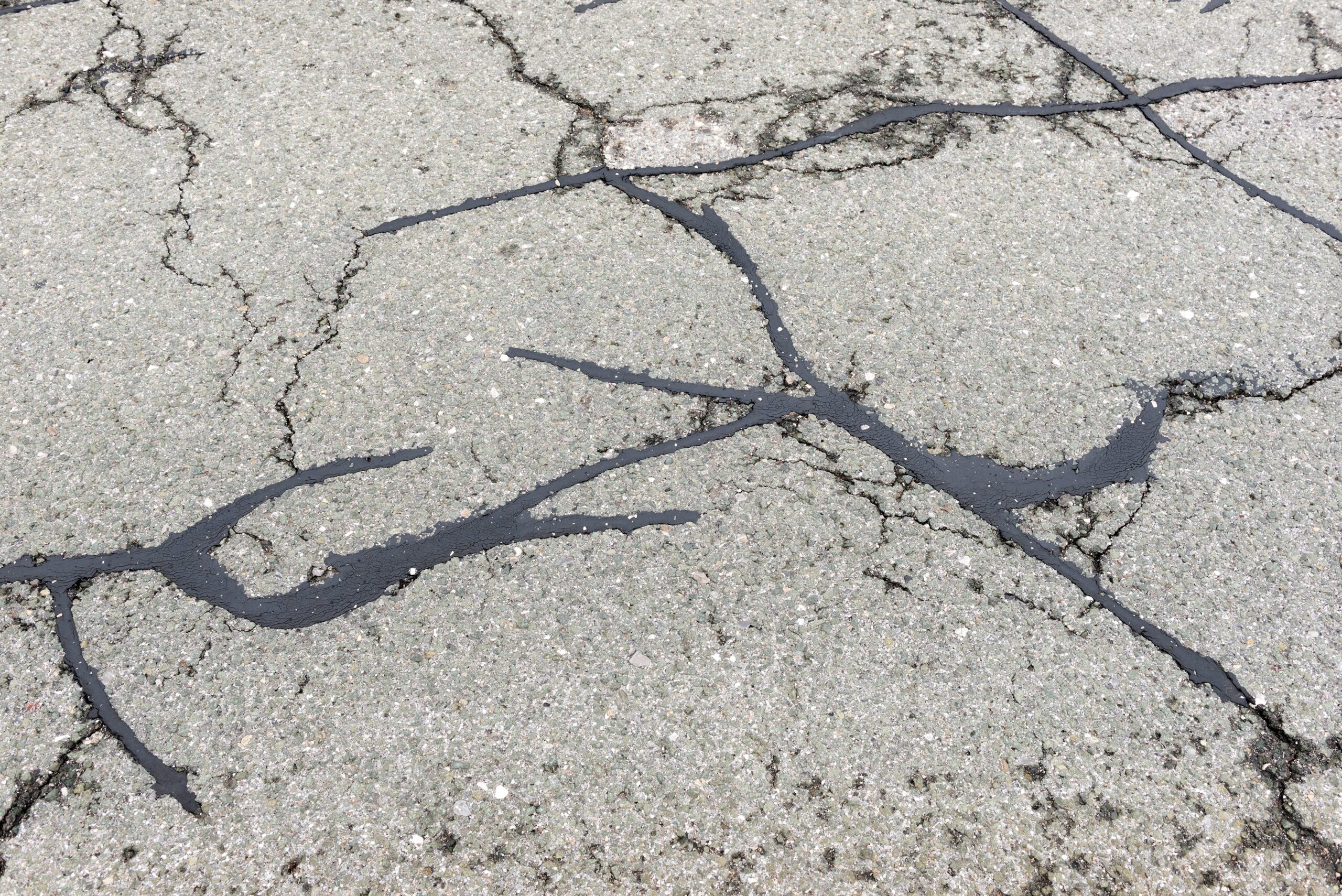
Why Crack Sealing Prevents Major Asphalt Damage
May 13, 2025
Small cracks in your asphalt driveway or parking lot might seem harmless at first. But over time, these tiny openings allow water to seep in, leading to bigger issues like potholes, crumbling edges, and costly repairs Crack sealing is a straightforward and effective way to prevent these problems. By sealing cracks early, you protect your
Read
How Do You Choose a Commercial Asphalt Contractor in Denver?
June 25, 2026
Choosing a commercial asphalt contractor in Denver is a structured vetting process that evaluates credentials, local experience, bid transparency, and reputation before signing any agreement. This guide covers Denver-specific climate and licensing demands, the credentials and experience a qualified contractor must demonstrate, essential vetting questions and reputation checks, bid evaluation and comparison methods, and red
Read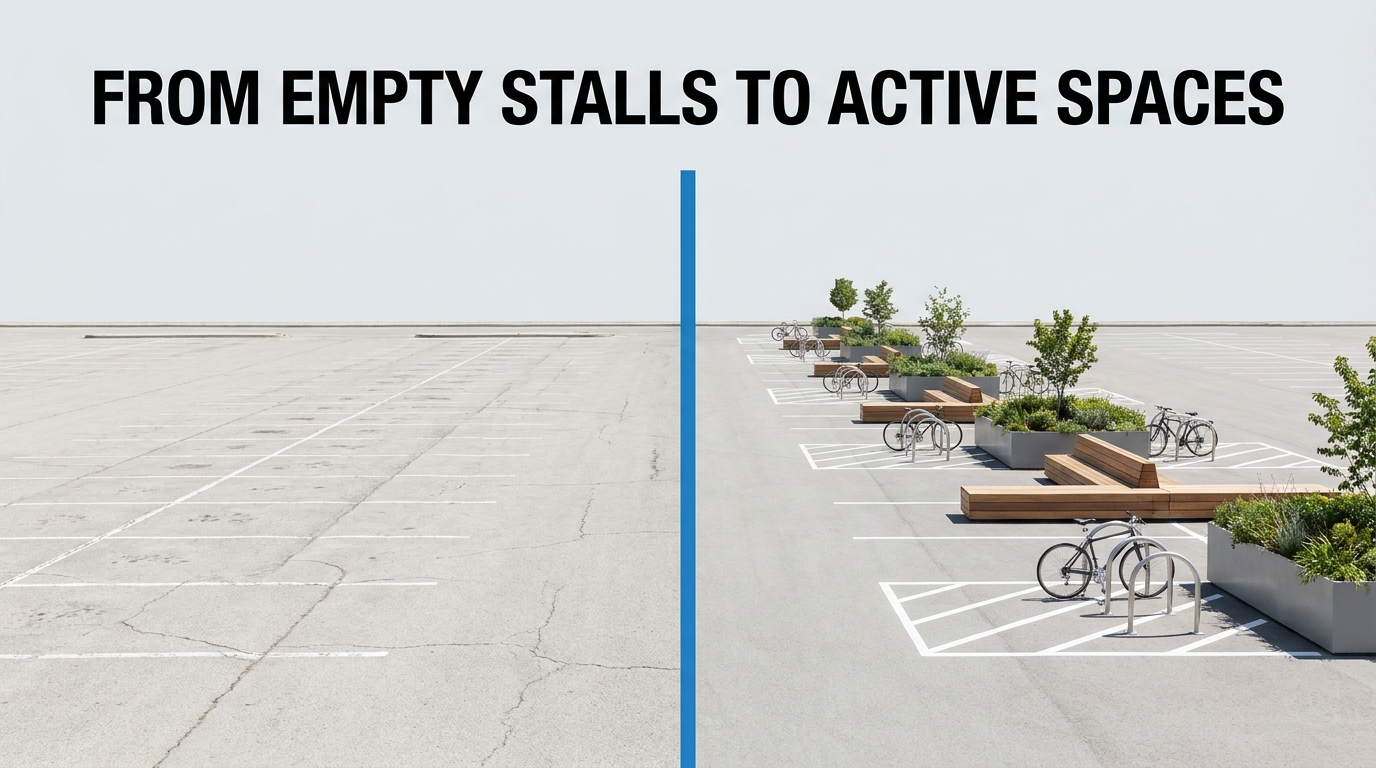
How Do You Repurpose and Restripe Excess Parking After Denver’s Parking-Minimum Repeal?
June 25, 2026
Repurposing and restriping excess parking after Denver’s parking-minimum repeal is the process of redesigning oversized lots to match actual demand, converting surplus stalls into higher-value uses, and updating all markings to meet current code. With Denver eliminating all minimum parking ratios citywide as of August 11, 2025, property managers now have the freedom to right-size
Read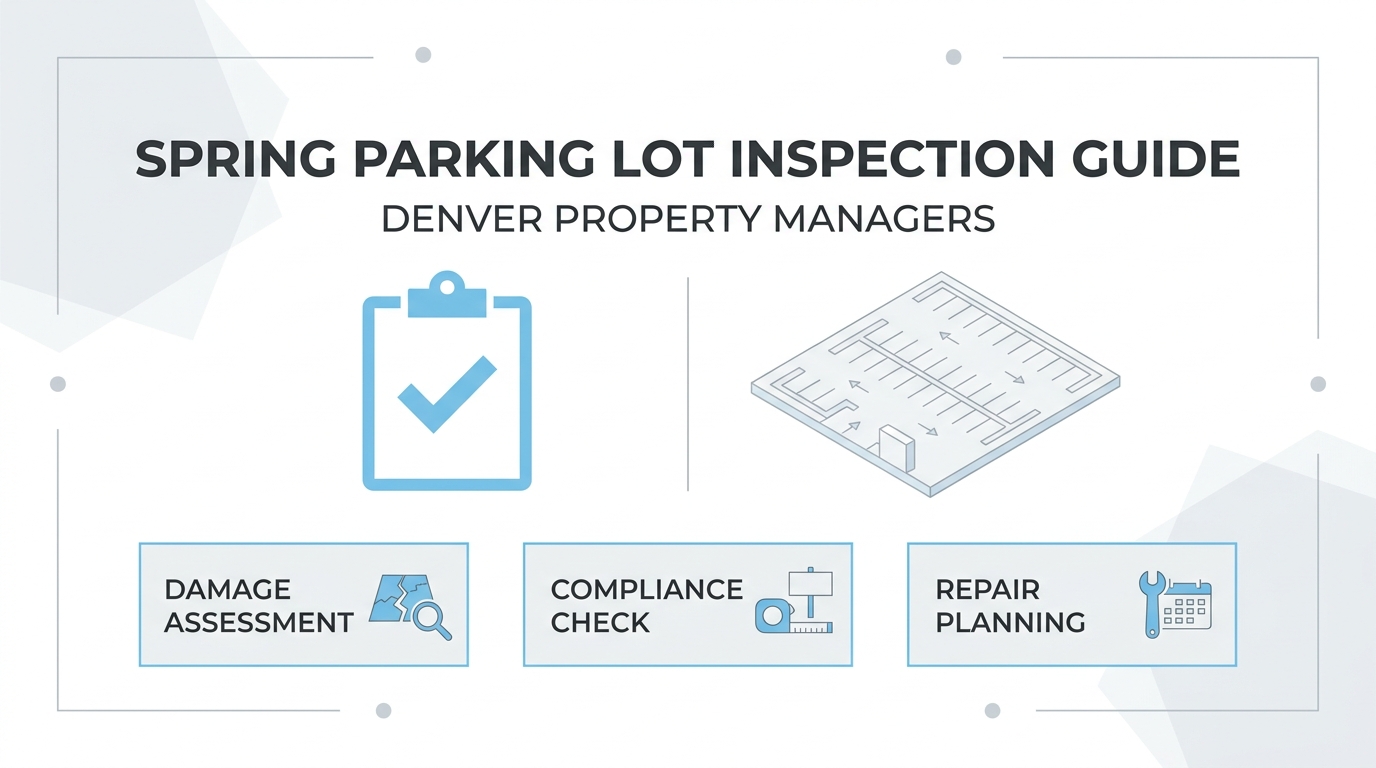
What Should a Spring Commercial Parking Lot Inspection Cover for Denver Property Managers?
June 25, 2026
A spring commercial parking lot inspection for Denver property managers is a systematic evaluation of pavement condition, drainage function, compliance markings, and safety hazards conducted after winter to identify damage before it compounds. This guide covers climate-driven damage assessment, asphalt surface distress identification, drainage and grading verification, striping and ADA compliance, concrete element evaluation, sealcoat
Read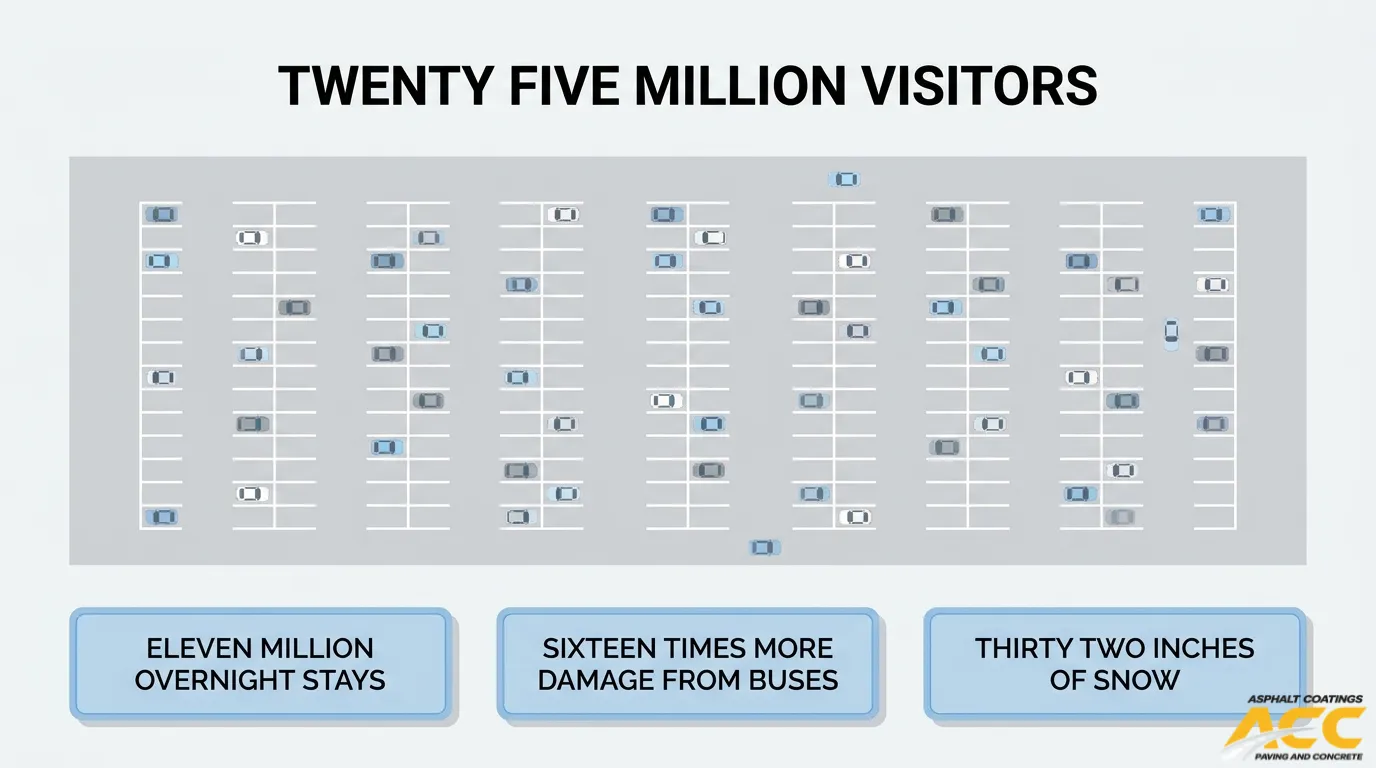
How Does Pikes Peak Region Tourism Traffic Wear Down Hotel and Resort Parking Lots?
June 25, 2026
Pikes Peak region tourism traffic wears down hotel and resort parking lots through a combination of massive visitor volume, heavy vehicle loads, high-altitude UV exposure, and destructive freeze-thaw cycles that compound seasonal damage faster than most commercial properties ever experience. With 25.6 million visitors arriving annually and 11.2 million staying overnight, Colorado Springs hospitality lots
Read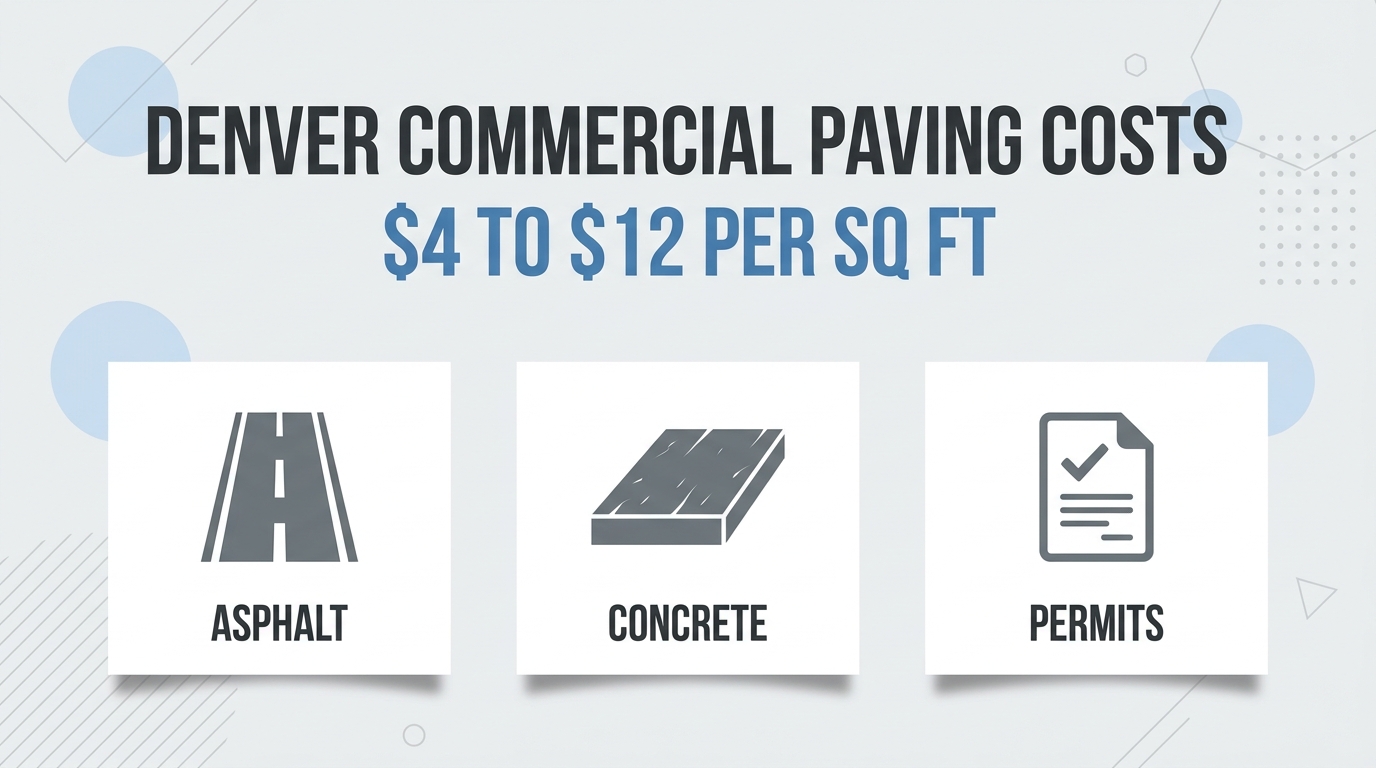
What Commercial Paving Costs in Denver (Local Pricing & Permit Factors)
June 25, 2026
Commercial paving cost in Denver is the total expense of installing or replacing asphalt or concrete surfaces on commercial properties, including base material, labor, permits, drainage, and ADA compliance. Asphalt ranges from $4.00 to $10.00 per square foot for new installations, while concrete slabs run $6.00 to $12.00 per square foot. This guide covers asphalt
Read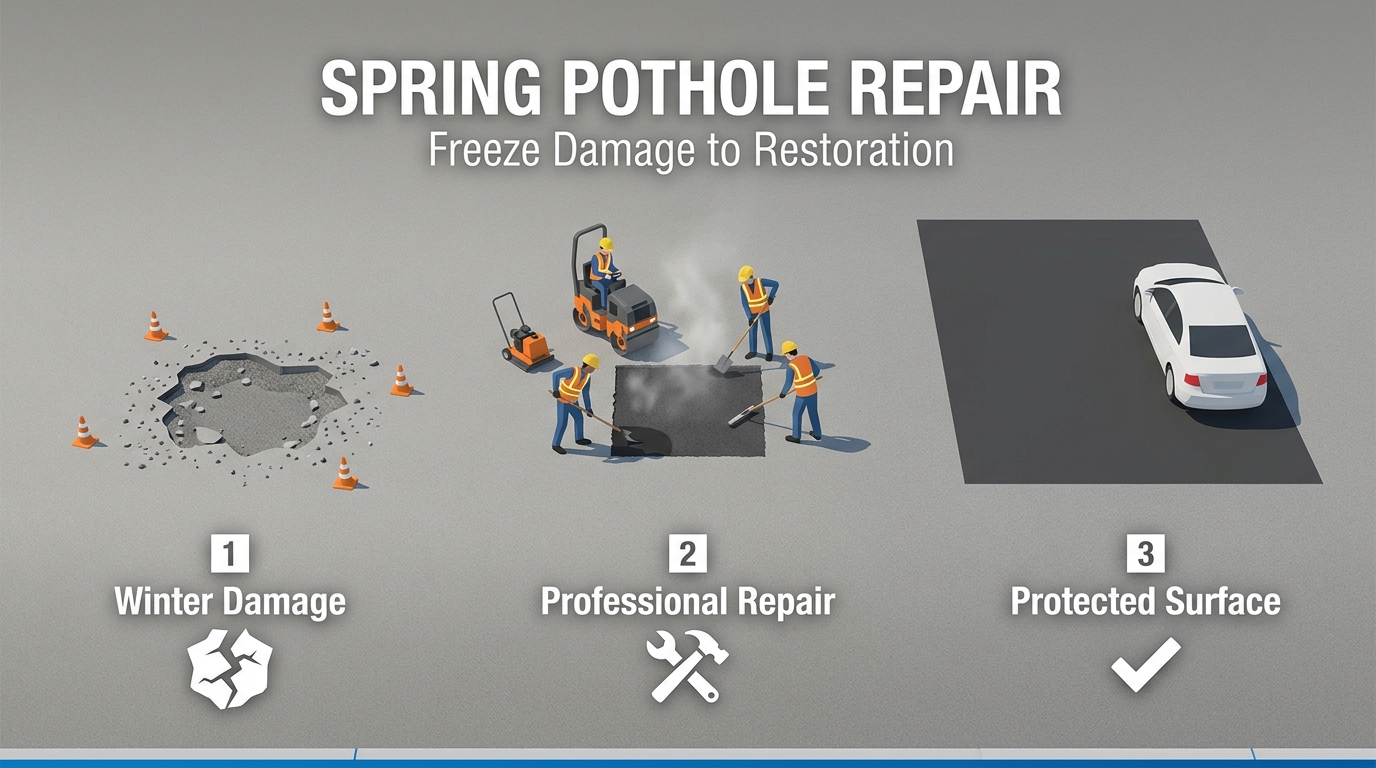
What Does Spring Pothole Repair Involve for Colorado Springs Commercial Lots After 150+ Freezing Nights?
June 25, 2026
Spring pothole repair for Colorado Springs commercial lots is the process of assessing, patching, and restoring asphalt pavement damaged by 150+ annual freezing nights at 6,035 feet elevation. It combines post-winter inspection, targeted repair methods, and preventive maintenance to protect commercial parking surfaces from recurring failure. This guide covers freeze-thaw damage mechanics, spring pavement assessment,
Read
What Are the Best Months to Schedule Commercial Paving in Colorado Springs?
June 25, 2026
The best months to schedule commercial paving in Colorado Springs are May through September, when sustained warm temperatures and stable ground conditions meet the strict thresholds required for proper asphalt compaction and curing. This guide covers Colorado Springs’ unique climate challenges, ideal temperature requirements for asphalt installation, the specific monthly paving windows, monsoon season scheduling,
Read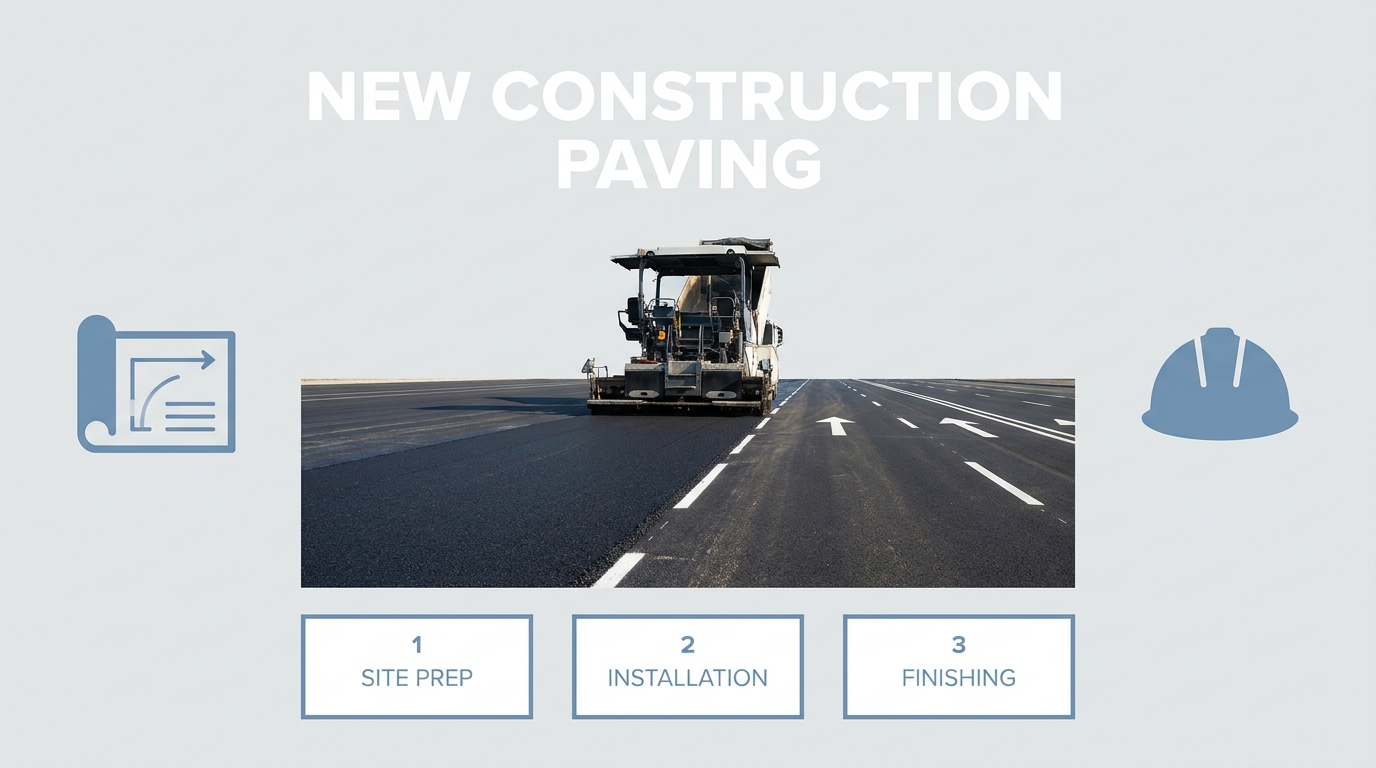
What Should You Expect During a New-Construction Paving Project in a Growing Colorado Springs Corridor?
June 25, 2026
A new-construction paving project in a growing Colorado Springs corridor is a multi-phase process that transforms raw land into a finished, code-compliant asphalt surface through sequential site preparation, engineered subbase work, hot-mix asphalt installation, and final striping. This guide covers site preparation and drainage infrastructure, project timelines and installation phases, freeze-thaw resilience and climate-adapted design,
Read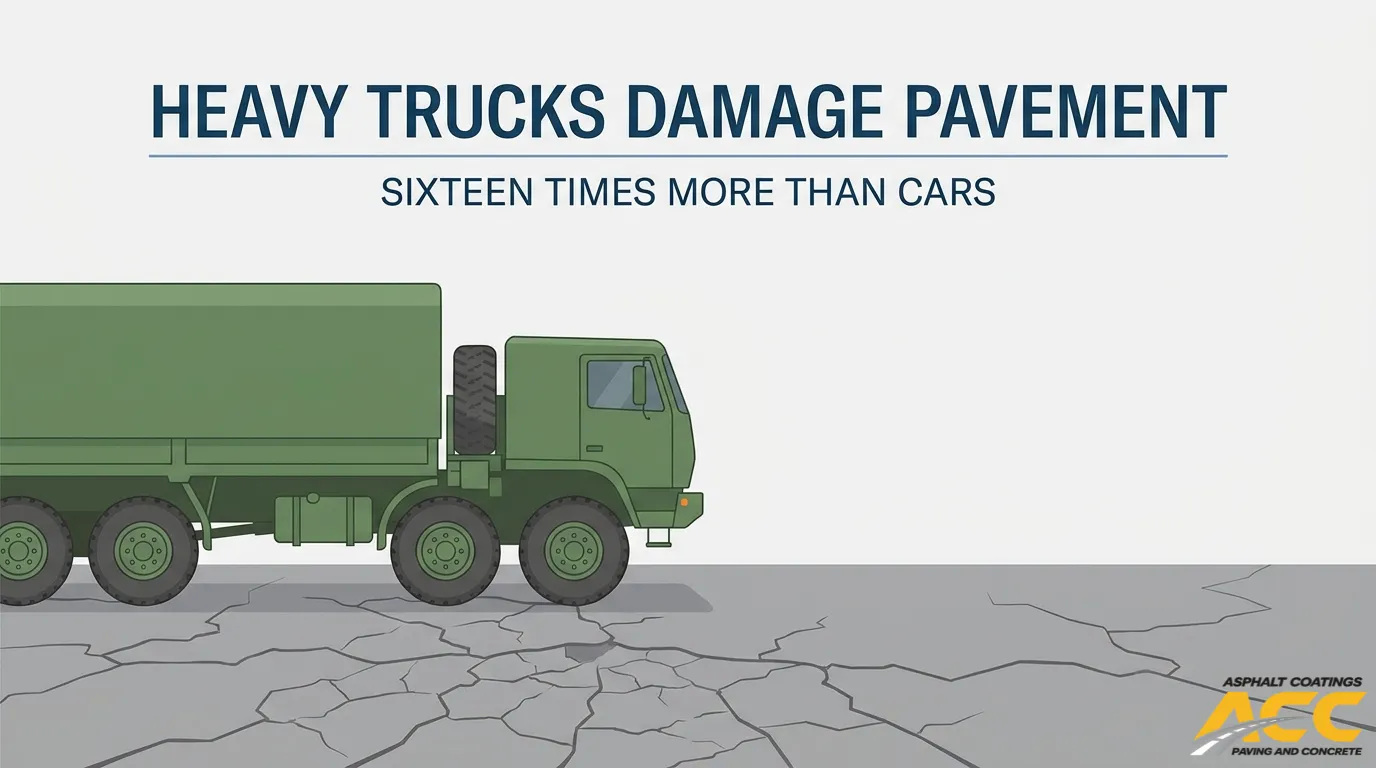
How Does Heavy Truck Traffic Near Fort Carson Shorten Pavement Life?
June 24, 2026
Heavy truck traffic near Fort Carson shortens pavement life by subjecting roads and parking lots to repeated military-grade loads that cause exponentially more damage than passenger vehicles. Pavement deterioration under these conditions follows a power-of-four relationship, meaning doubled vehicle weight produces roughly 16 times more structural harm. This guide covers Fort Carson’s traffic generation and
Read
What Are the Differences in Commercial Paving Permits Between Colorado Springs and Unincorporated El Paso County?
June 24, 2026
Commercial paving permits in the Colorado Springs area are regulated by separate agencies, portals, and codes depending on whether a project falls within city limits or unincorporated El Paso County. This guide covers permitting authorities and project types, application processes and portals, zoning and stormwater compliance, fees and inspection requirements, and seasonal and enforcement considerations.
Read
What Should Property Managers Know Before Commissioning Federally-Funded Paving in Colorado Springs?
June 24, 2026
Federally-funded paving in Colorado Springs is commercial pavement work financed through federal grant programs such as CDBG, FHWA allocations, or HUD accessibility grants, each carrying strict compliance obligations that property managers must satisfy from application through project closeout. This guide covers funding sources and eligibility, federal compliance mandates, procurement rules, climate-driven specifications, inspection and reporting
Read
Do You Need a Grading and Erosion Control Permit for Your Colorado Springs Lot Project?
June 23, 2026
A Grading and Erosion Control (GEC) Permit is a city-issued authorization required before any clearing, grading, excavation, or filling begins on a property in Colorado Springs. The permit ensures land-disturbing activities comply with municipal stormwater regulations and protect surrounding properties and waterways. This guide covers permit definitions and triggers, the application process, required erosion control
Read