
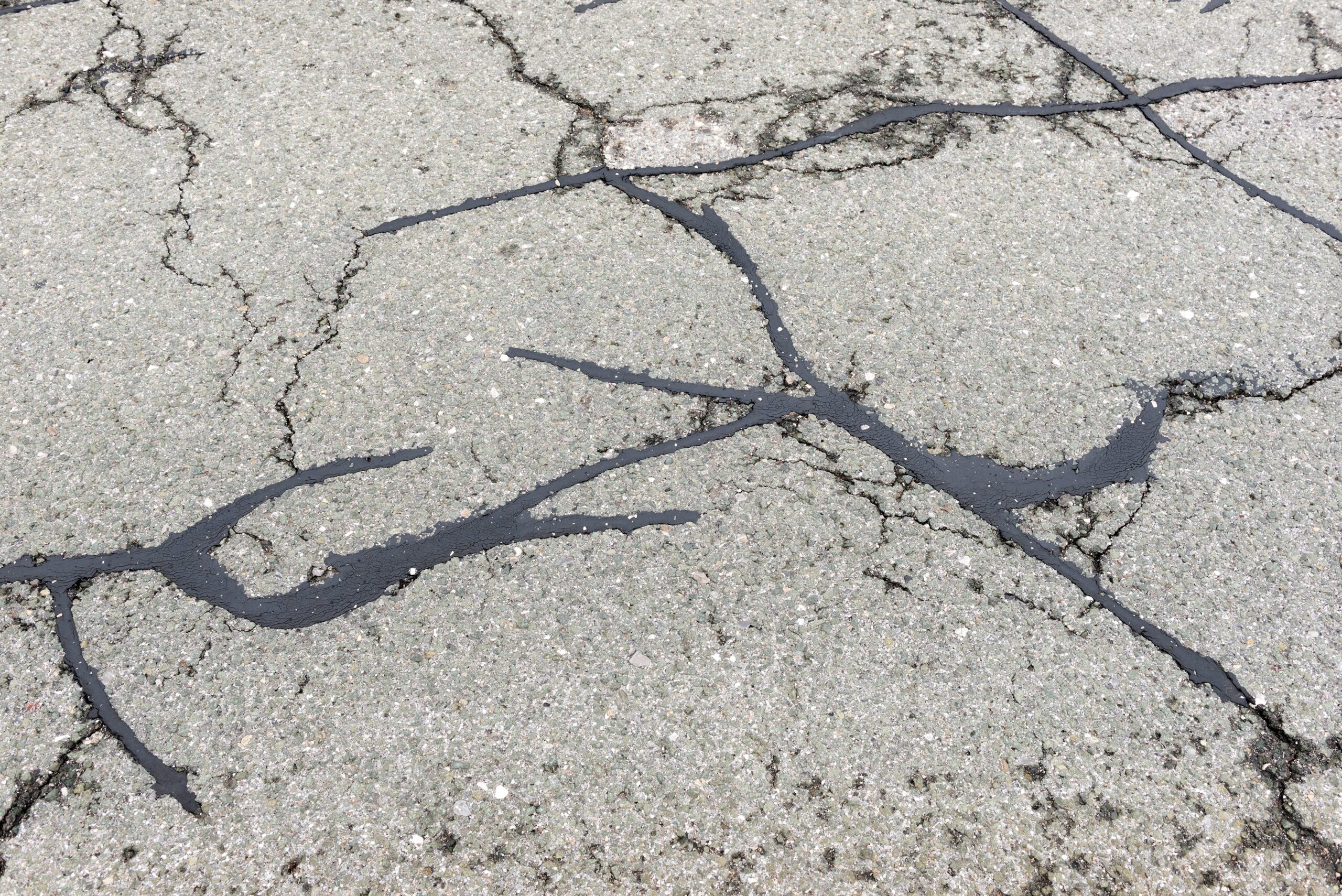
Why Crack Sealing Prevents Major Asphalt Damage
May 13, 2025
Small cracks in your asphalt driveway or parking lot might seem harmless at first. But over time, these tiny openings allow water to seep in, leading to bigger issues like potholes, crumbling edges, and costly repairs Crack sealing is a straightforward and effective way to prevent these problems. By sealing cracks early, you protect your
Read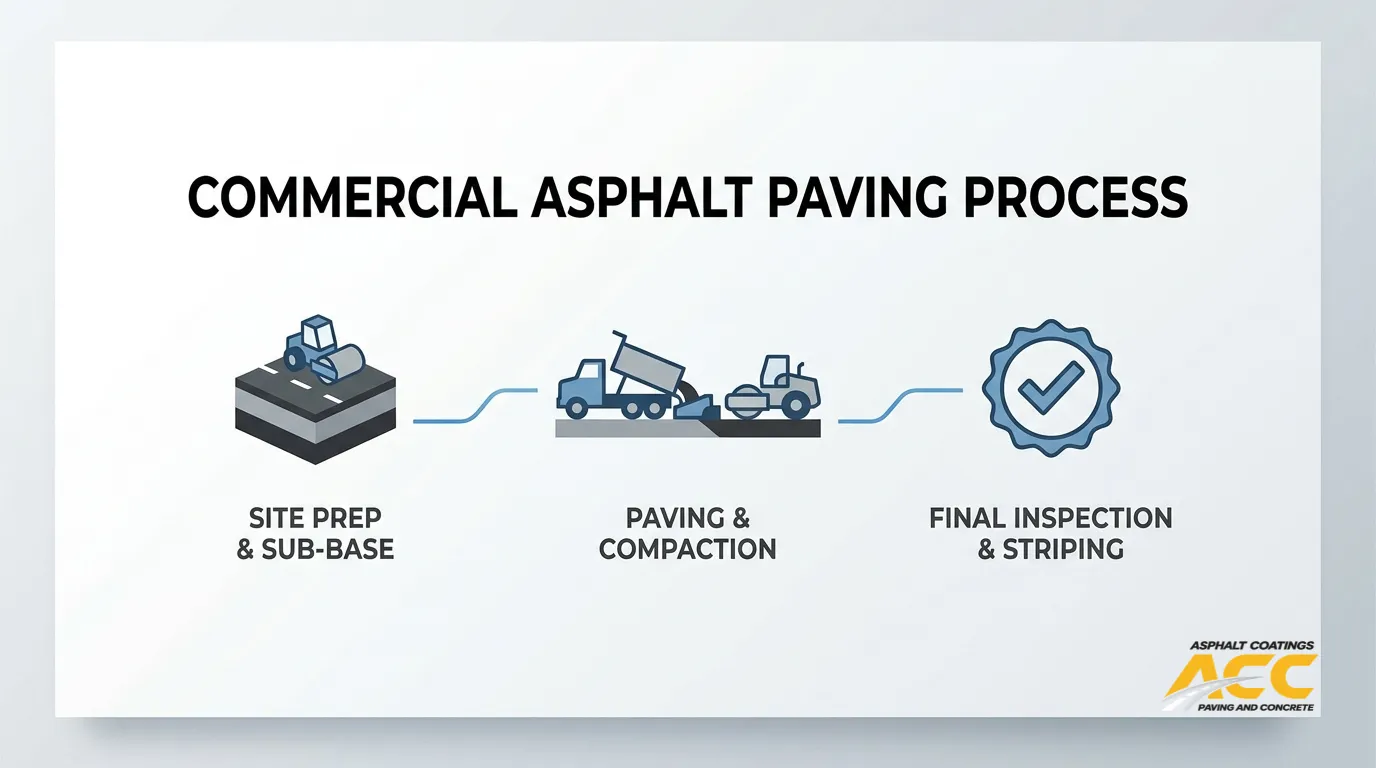
What Are the Commercial Asphalt Paving Process in Fort Collins, CO?
July 29, 2026
Commercial asphalt paving is a multi-phase construction process that transforms raw subgrade into a durable, code-compliant parking surface through coordinated evaluation, preparation, installation, and finishing operations. This guide covers climate and subgrade factors, installation and compaction methods, drainage and grading design, ADA compliance and striping, and long-term maintenance and project planning. Fort Collins’ cold semi-arid
Read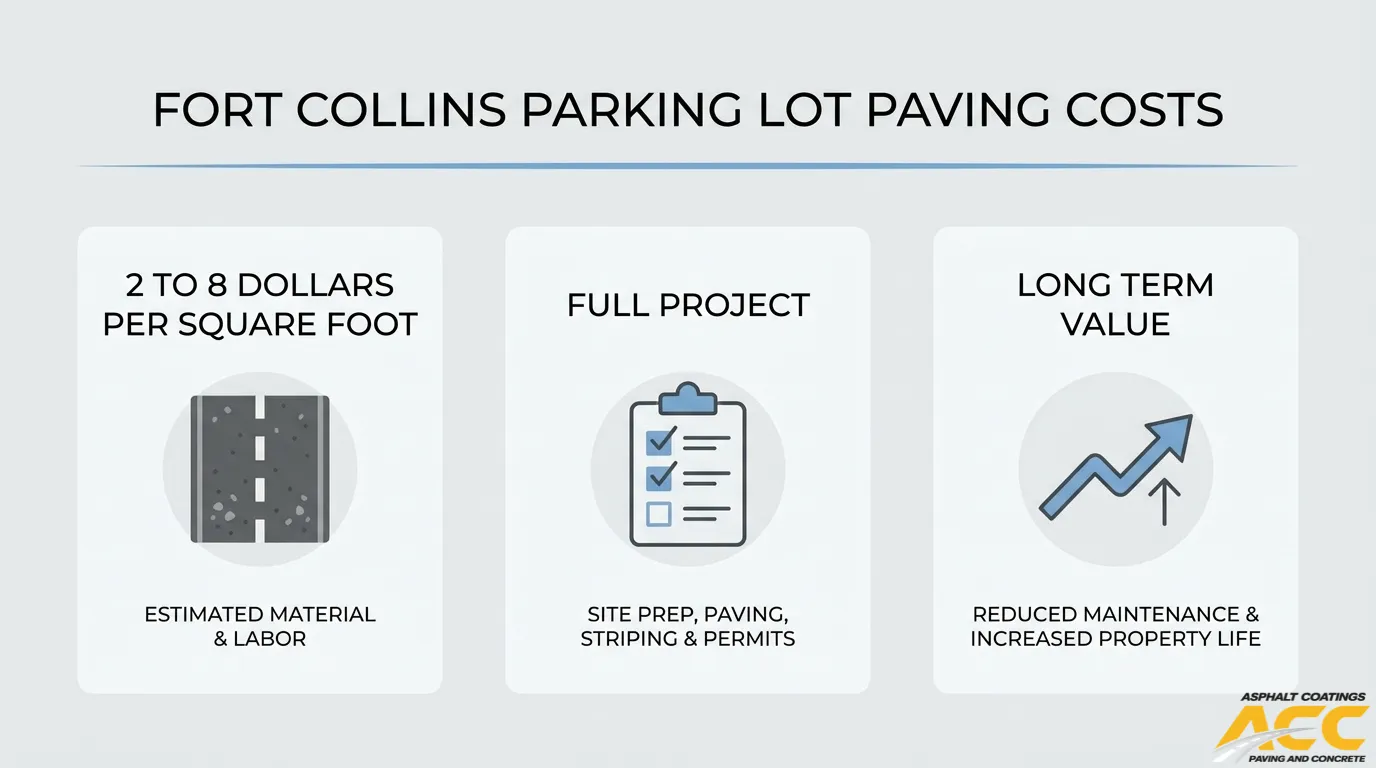
What Should You Expect to Pay for Commercial Parking Lot Paving in Fort Collins, CO?
July 29, 2026
Commercial parking lot paving cost in Fort Collins is the total investment required for asphalt installation, base preparation, drainage, striping, and ongoing maintenance on a commercial property. Most Fort Collins projects range from $2.54 to $8.00 per square foot depending on scope, with final pricing shaped by local soil conditions, freeze-thaw exposure, and lot size.
Read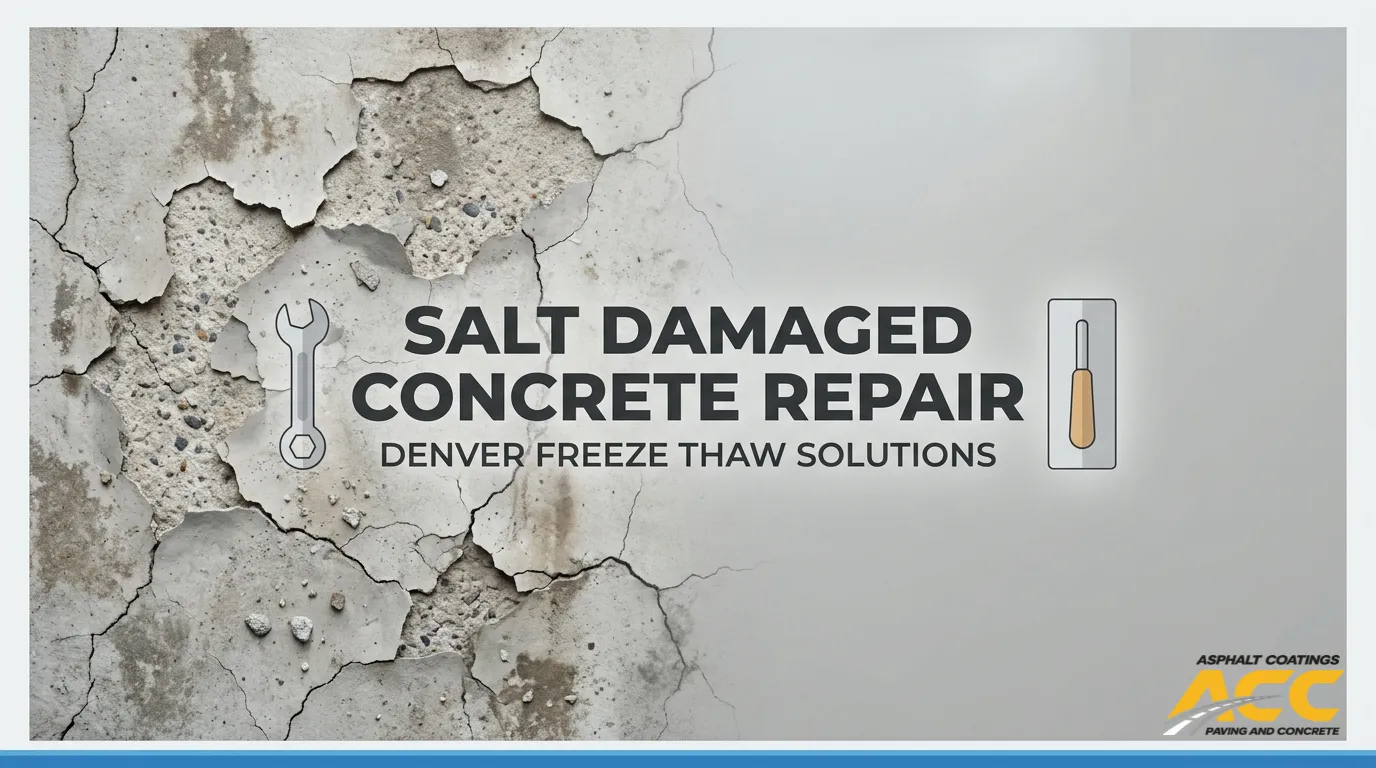
How Should You Handle Salt-Damaged Concrete Repair in Denver, CO?
July 29, 2026
Salt-damaged concrete repair in Denver is the process of restoring commercial concrete surfaces deteriorated by deicing chemicals and freeze-thaw cycling. Repair methods range from thin bonded overlays for minor scaling to full slab removal and replacement for structurally compromised sections. This guide covers how salt damage starts and progresses, repair methods and materials for every
Read
What Are the Top Concrete Issues in Denver and How Can Experts Fix Them?
July 29, 2026
Denver concrete faces a unique combination of threats: freeze-thaw cycling, expansive clay soils, intense UV exposure at altitude, and heavy deicer application that together accelerate deterioration far faster than in most U.S. cities. This guide covers climate-driven cracking and surface deterioration, drainage and grading failures, settlement and trip hazard risks, joint and sealant breakdown, appearance
Read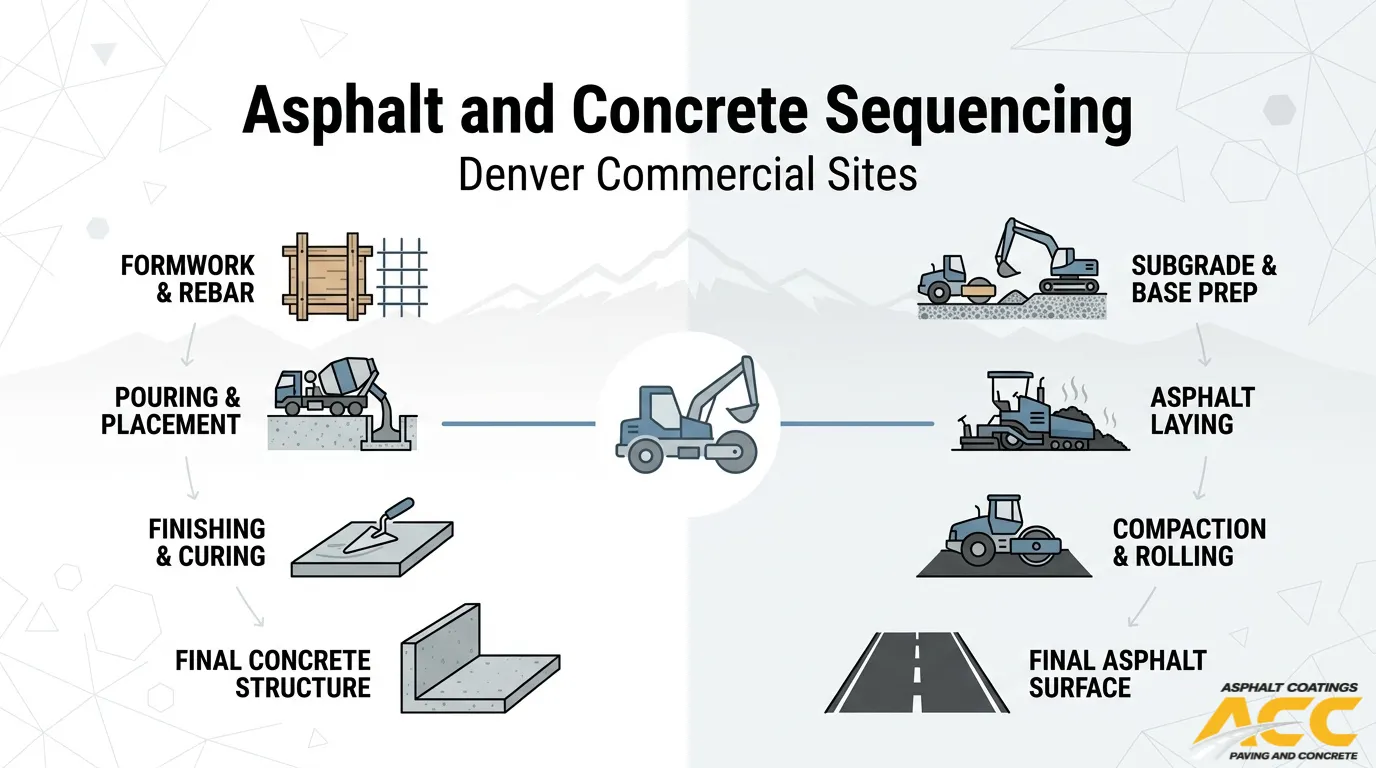
Denver Commercial Asphalt & Concrete Sequencing Guide
July 28, 2026
Sequencing asphalt and concrete work on a Denver commercial site with active tenants and ROW constraints is the process of ordering demolition, material placement, curing, and finishing activities so that each phase maintains safe tenant access, meets city permit requirements, and falls within viable temperature windows. Poor sequencing leads to rework, weather-driven cost premiums, and
Read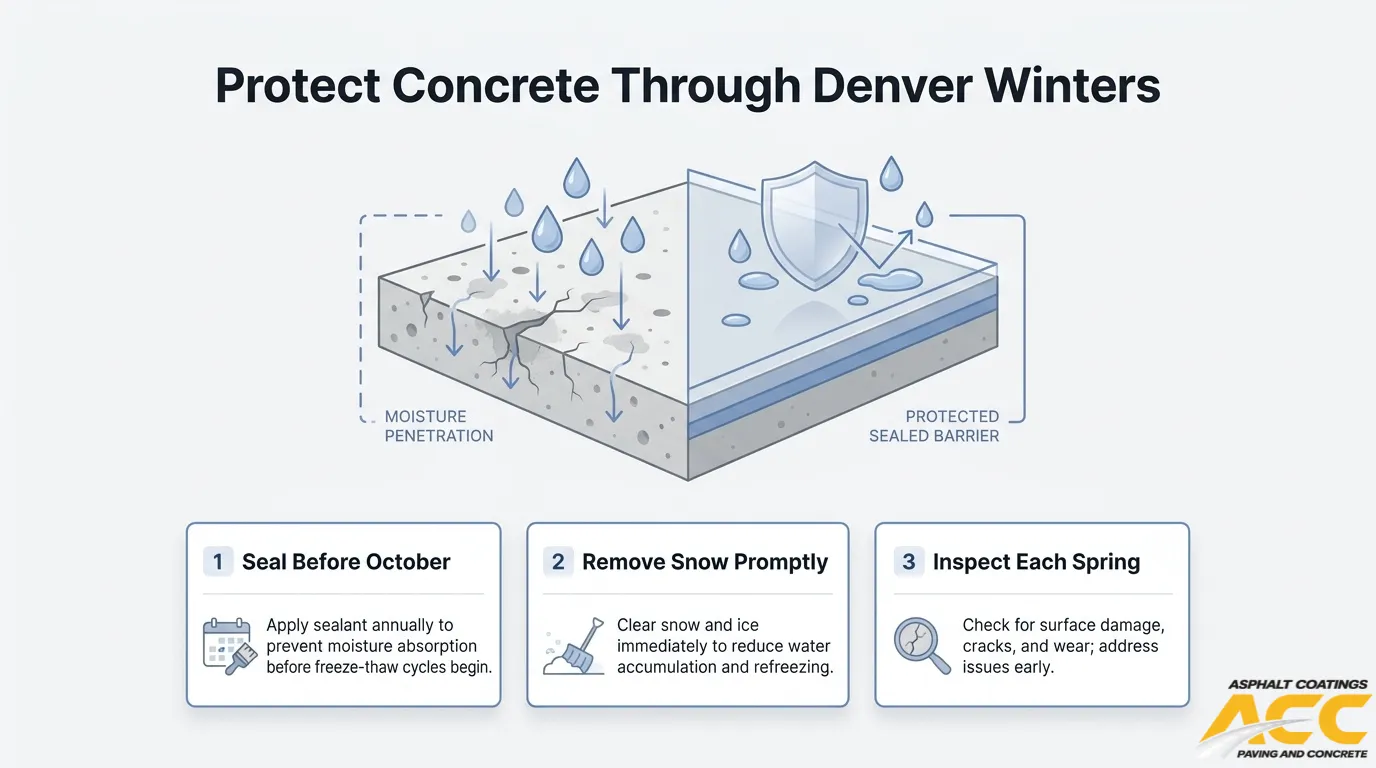
What Are the Top Concrete Care Tips for Denver Winters?
July 28, 2026
Concrete care for Denver winters is the process of inspecting, sealing, repairing, and maintaining concrete surfaces to withstand the city’s prolonged freeze-thaw season and heavy snowfall. Proactive winter care prevents moisture damage, reduces slip-and-fall liability, and extends the functional lifespan of commercial flatwork. This guide covers Denver’s unique climate pressures on concrete, pre-winter surface preparation,
Read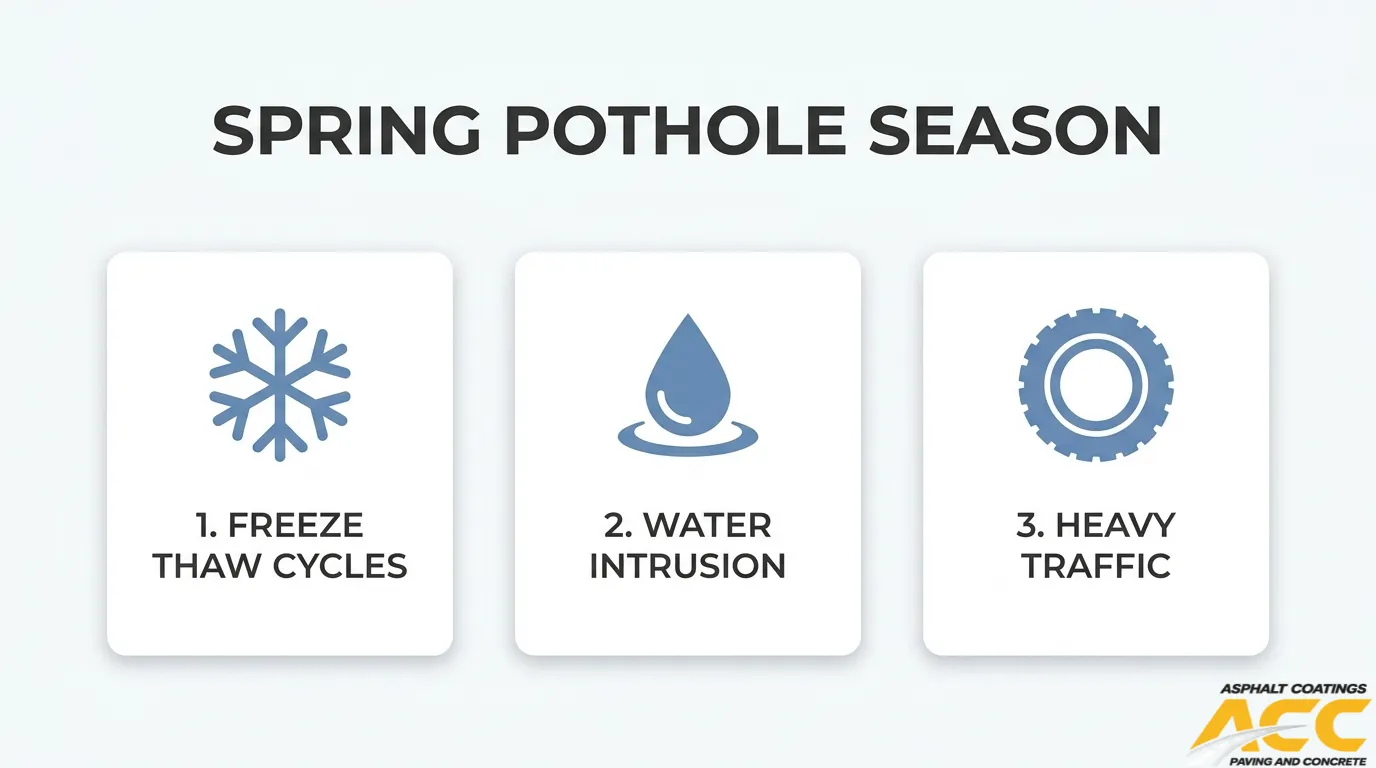
Why Does Denver’s Spring “Pothole Season” Wreck Commercial Pavement?
July 28, 2026
Denver’s spring pothole season is the period when freeze-thaw cycling, snowmelt infiltration, and heavy traffic converge to destroy commercial asphalt weakened by winter. Three elements drive every pothole: surface cracks, water, and repeated vehicle loads. This guide covers freeze-thaw mechanics and winter damage accumulation, spring failure patterns across different commercial property types, warning signs that
Read
Why Is It So Important to Remove Concrete Trip Hazards in Denver?
July 28, 2026
A concrete trip hazard is any raised, sunken, cracked, or uneven concrete surface that creates a stumbling risk for pedestrians on commercial properties. Denver’s extreme climate accelerates this damage faster than most U.S. cities, making proactive removal essential for safety, compliance, and long-term property value. This guide covers hazard identification and climate-driven causes, pedestrian safety
Read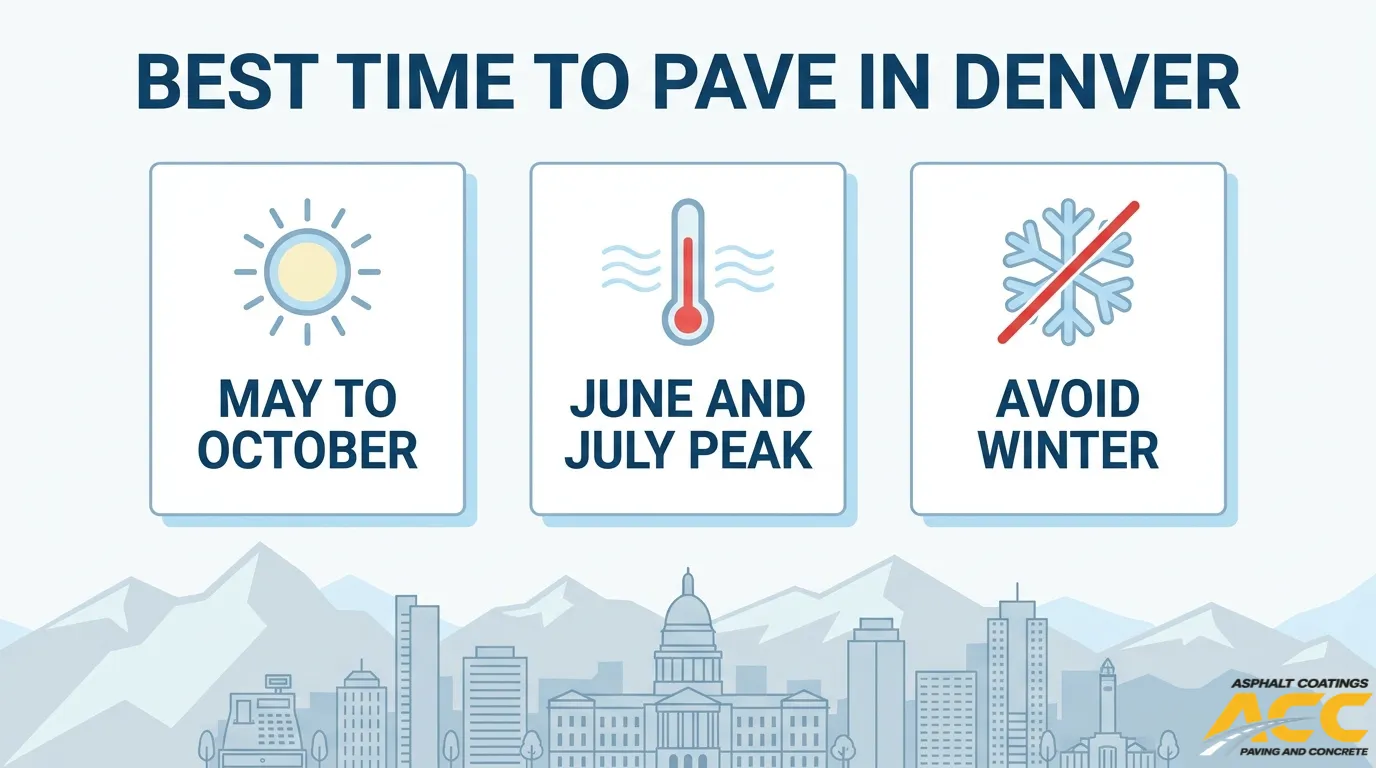
When Is the Best Time of Year to Pave Commercial Lots in the Denver Metro?
July 28, 2026
The best time of year to pave commercial lots in the Denver Metro is late spring through early fall, with June and July delivering peak conditions for compaction, curing, and long-term durability. Denver’s semi-arid climate at 5,280 feet elevation, more than 150 annual freeze-thaw cycles, and UV intensity 25% higher than sea level create a
Read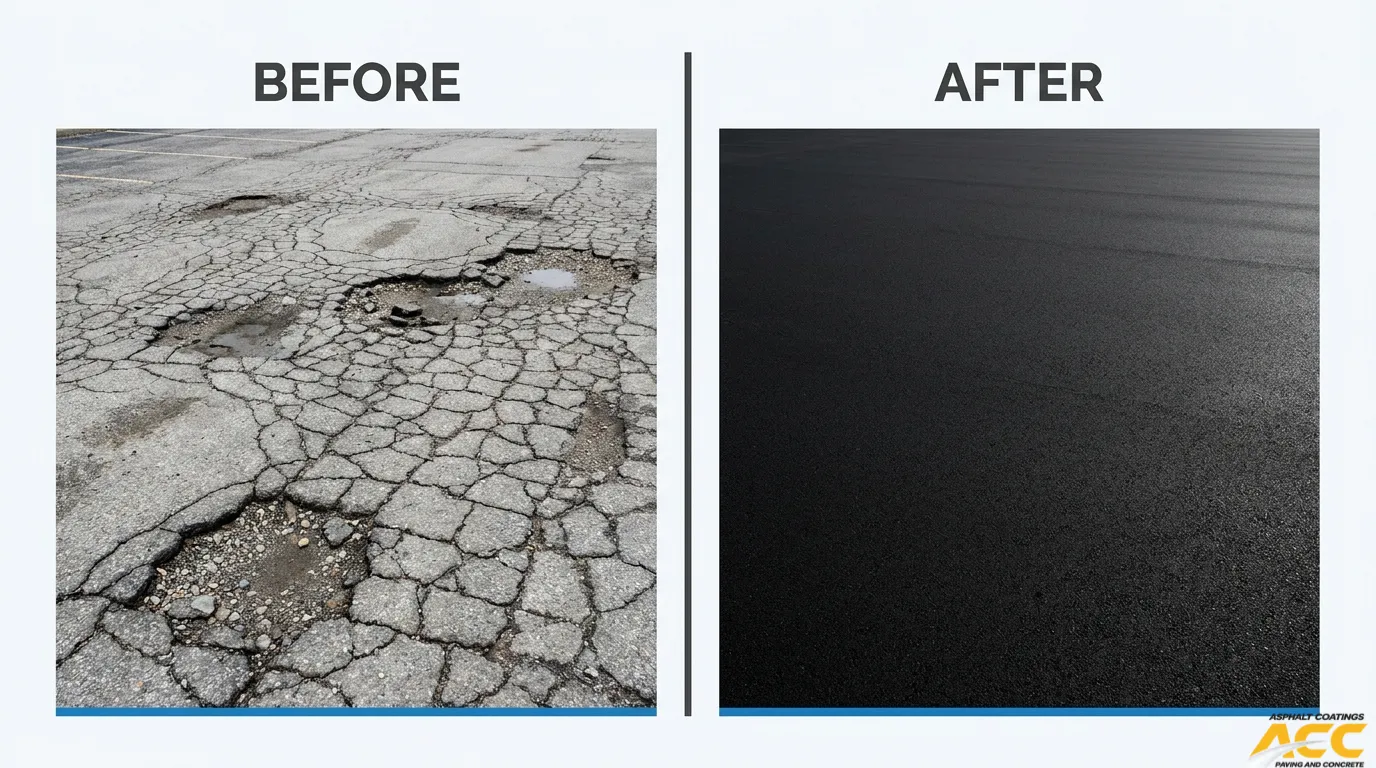
How Can You Tell When an Aging Denver Industrial Lot Is Ready for Mill-and-Pave?
July 28, 2026
Mill-and-pave is a pavement rehabilitation method that removes deteriorated asphalt surface layers through milling, then replaces them with fresh hot-mix asphalt to restore structural integrity, proper drainage grades, and a smooth driving surface. This guide covers visible surface distress patterns, subsurface and structural failures, climate-driven deterioration unique to Denver, maintenance threshold indicators, age and traffic
Read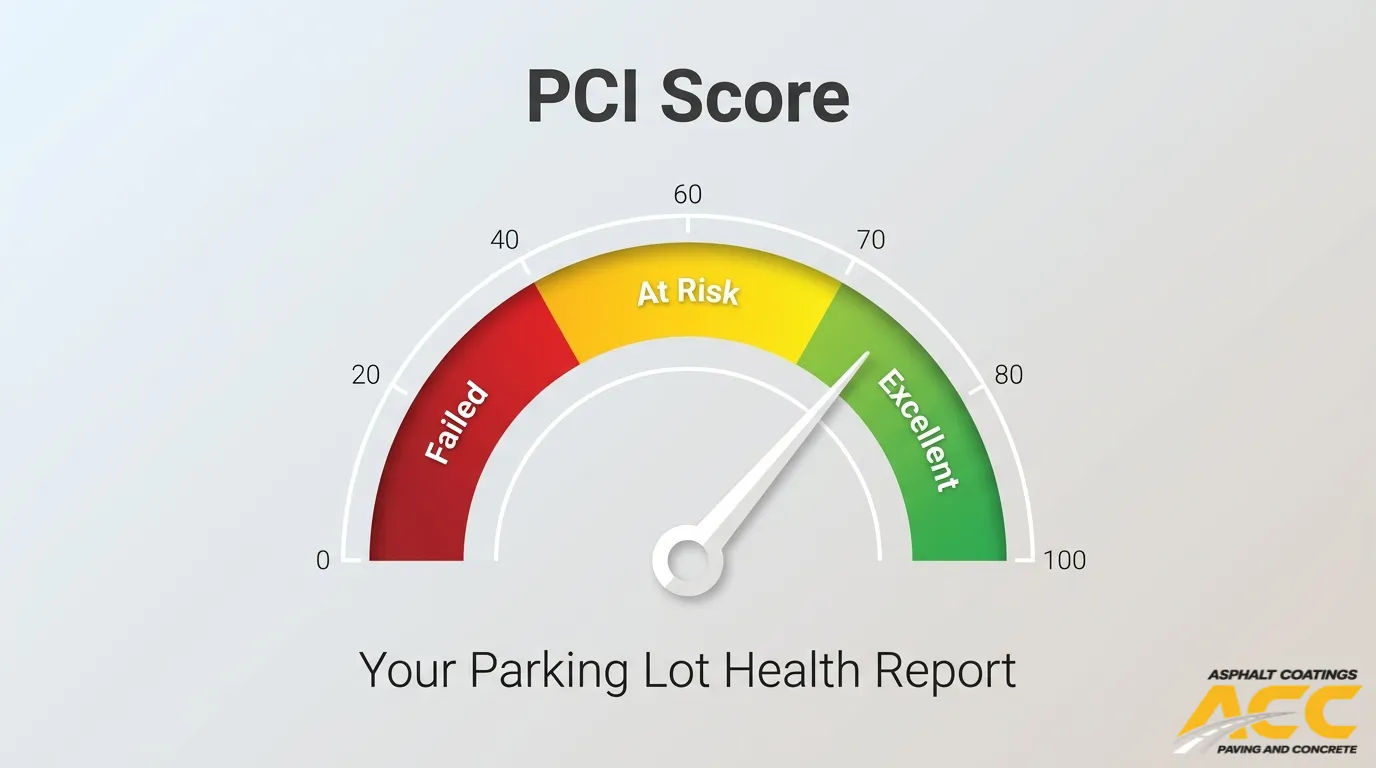
What Does Your Parking Lot’s PCI Score Reveal About Its Remaining Life?
July 27, 2026
A PCI score is a numerical index between 0 and 100 that quantifies the general condition of a pavement section based on standardized visual distress surveys. Property managers use this rating to determine how much functional life a parking lot has left and what maintenance or repairs will protect that investment most effectively. This guide
Read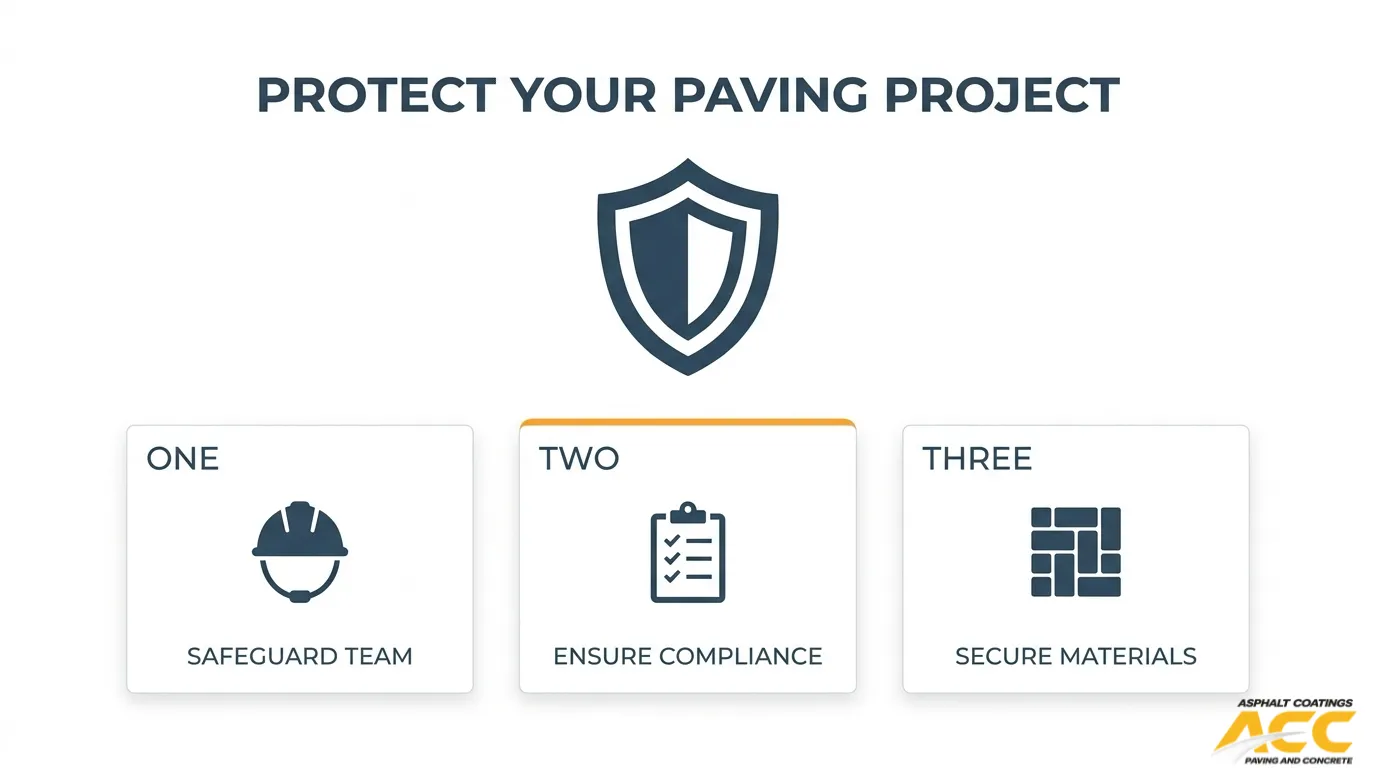
Why Is Contractor Insurance Important for Paving Projects?
July 24, 2026
Contractor insurance for paving is a collection of specialized commercial policies that protect paving businesses, property owners, and the public from financial losses caused by jobsite accidents, property damage, environmental contamination, and professional errors. These policies function as a financial safeguard for every party involved in asphalt and concrete projects. This guide covers policy types
Read