
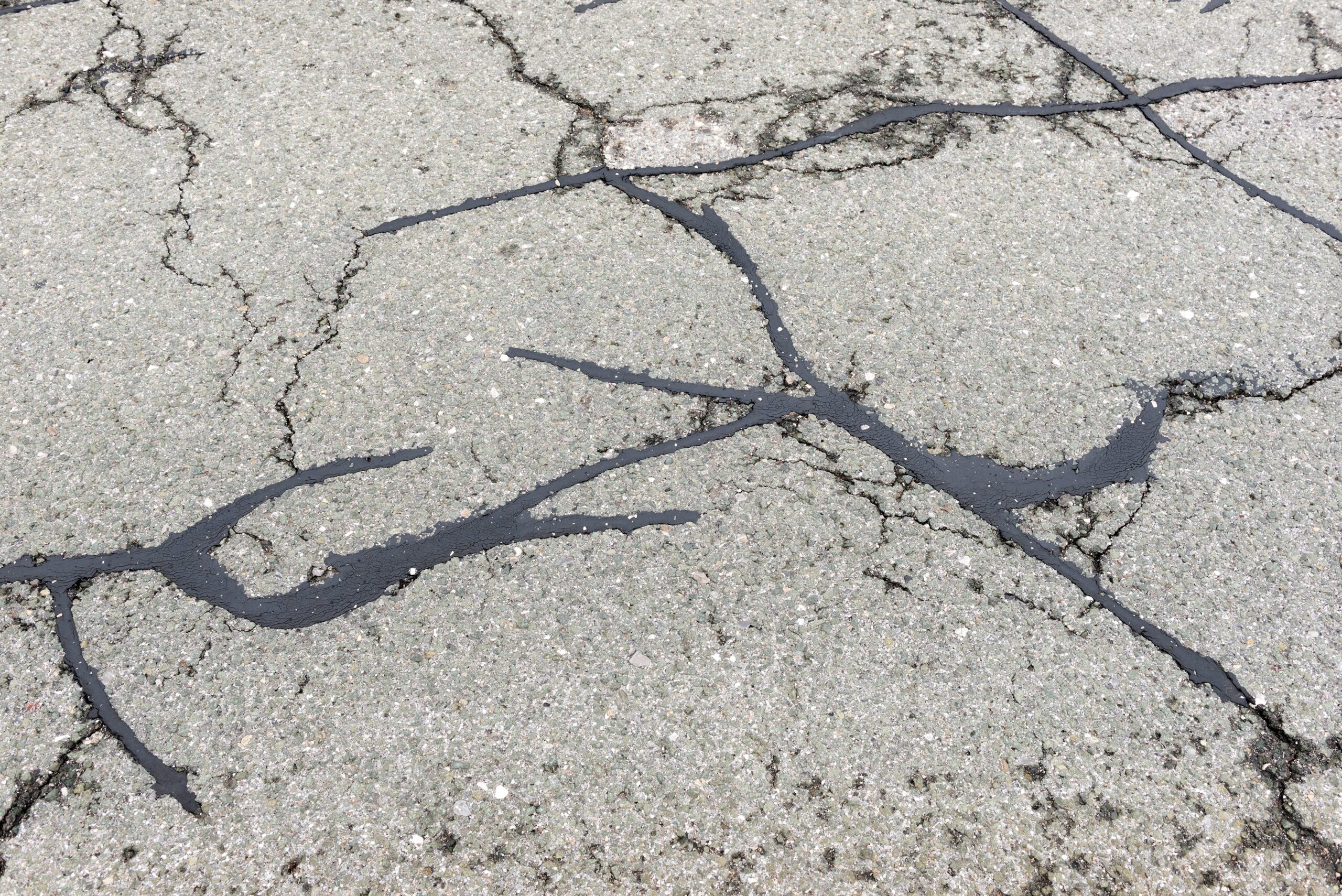
Why Crack Sealing Prevents Major Asphalt Damage
May 13, 2025
Small cracks in your asphalt driveway or parking lot might seem harmless at first. But over time, these tiny openings allow water to seep in, leading to bigger issues like potholes, crumbling edges, and costly repairs Crack sealing is a straightforward and effective way to prevent these problems. By sealing cracks early, you protect your
Read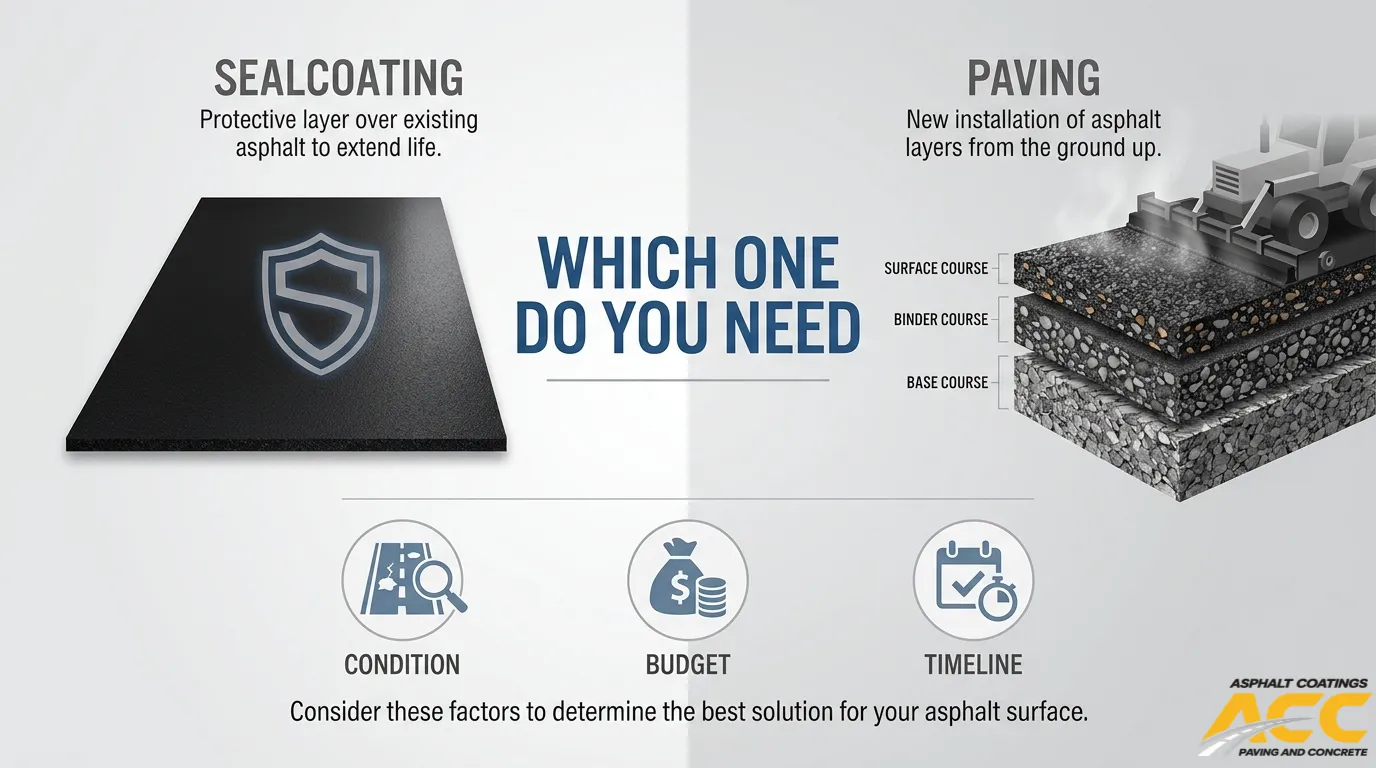
Sealcoating vs. Paving: How to Know Your Commercial Parking Lot Actually Needs
August 3, 2026
Sealcoating is a preventive surface treatment that shields structurally sound asphalt from UV rays, water, and chemical damage; paving is the installation or replacement of the asphalt structure itself. Choosing between them depends on your lot’s current condition, not preference. This guide covers how each service works and when it applies, condition assessment methods for
Read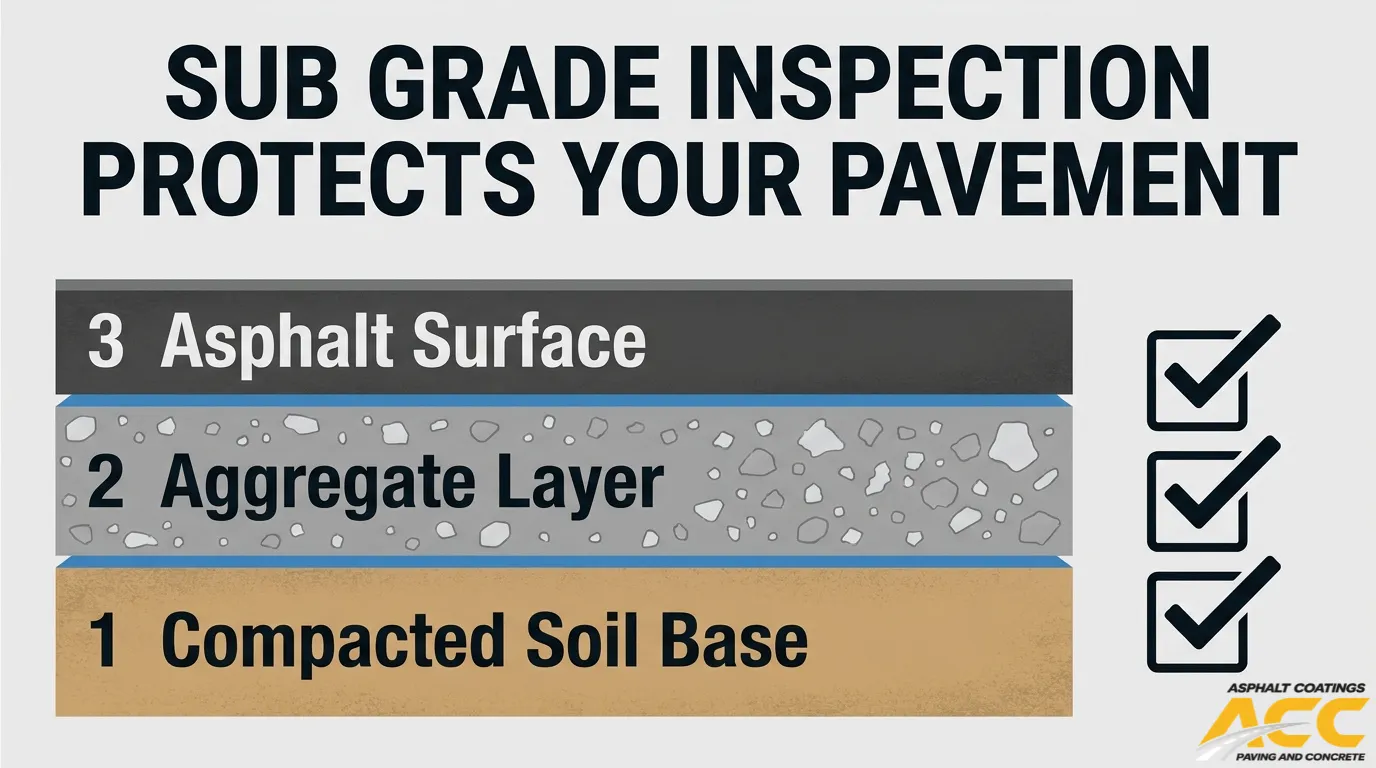
Importance of Sub-Grade Inspection Before Commercial Asphalt Paving in Fort Collins
August 3, 2026
Sub-grade inspection is the process of evaluating the compacted native soil beneath a commercial pavement structure to confirm it can support every layer built on top of it. It is the single most important quality-control step before asphalt paving begins. This guide covers Fort Collins soil and climate challenges, failure consequences of skipped inspections, inspection
Read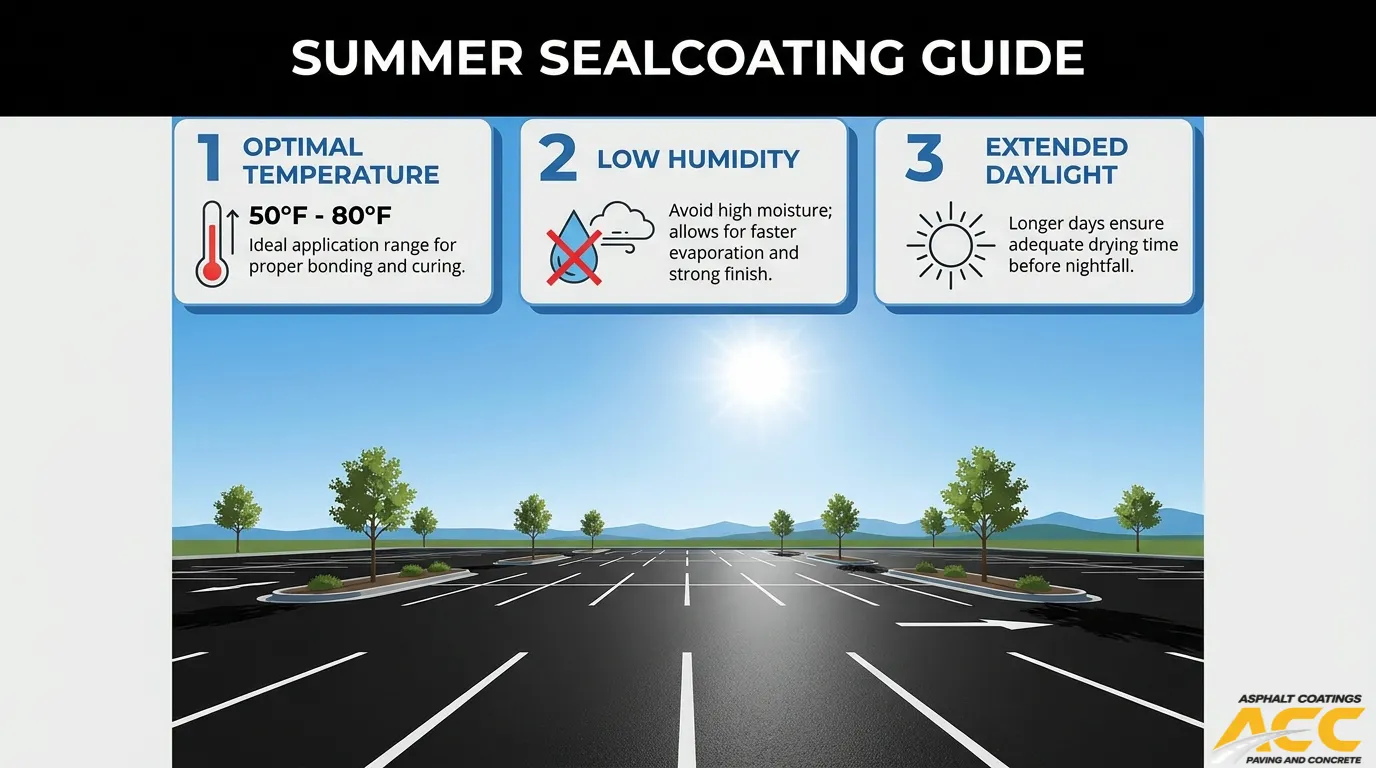
Why Is Summer the Best Time to Sealcoat a Commercial Parking Lot in Fort Collins?
July 31, 2026
Summer sealcoating is the application of a protective asphalt sealer during warm, dry months when temperature, humidity, and daylight conditions allow the material to cure fully and bond tightly to the pavement surface. This guide covers Fort Collins’ summer climate advantages for sealcoating, how a summer-applied sealcoat extends pavement life, operational benefits for property managers,
Read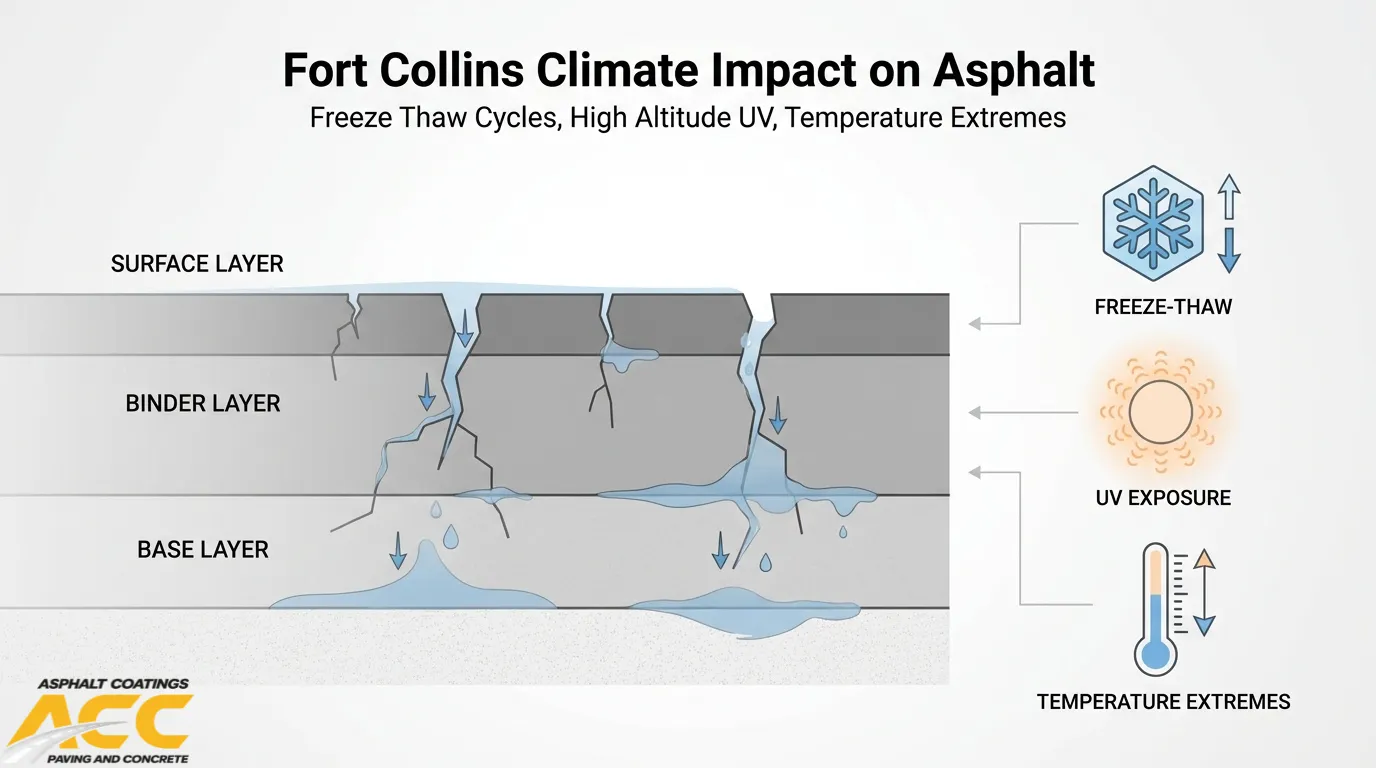
How Fort Collins Weather Impacts Asphalt and What to Do About It
July 31, 2026
Fort Collins weather impacts asphalt through a combination of freeze-thaw cycling, extreme seasonal temperatures, moisture infiltration, and high-altitude UV radiation that compound each other to accelerate pavement deterioration far faster than in lower-elevation or milder climates. This guide covers Fort Collins’ unique climate stressors and how they damage pavement, the specific distress signs property managers
Read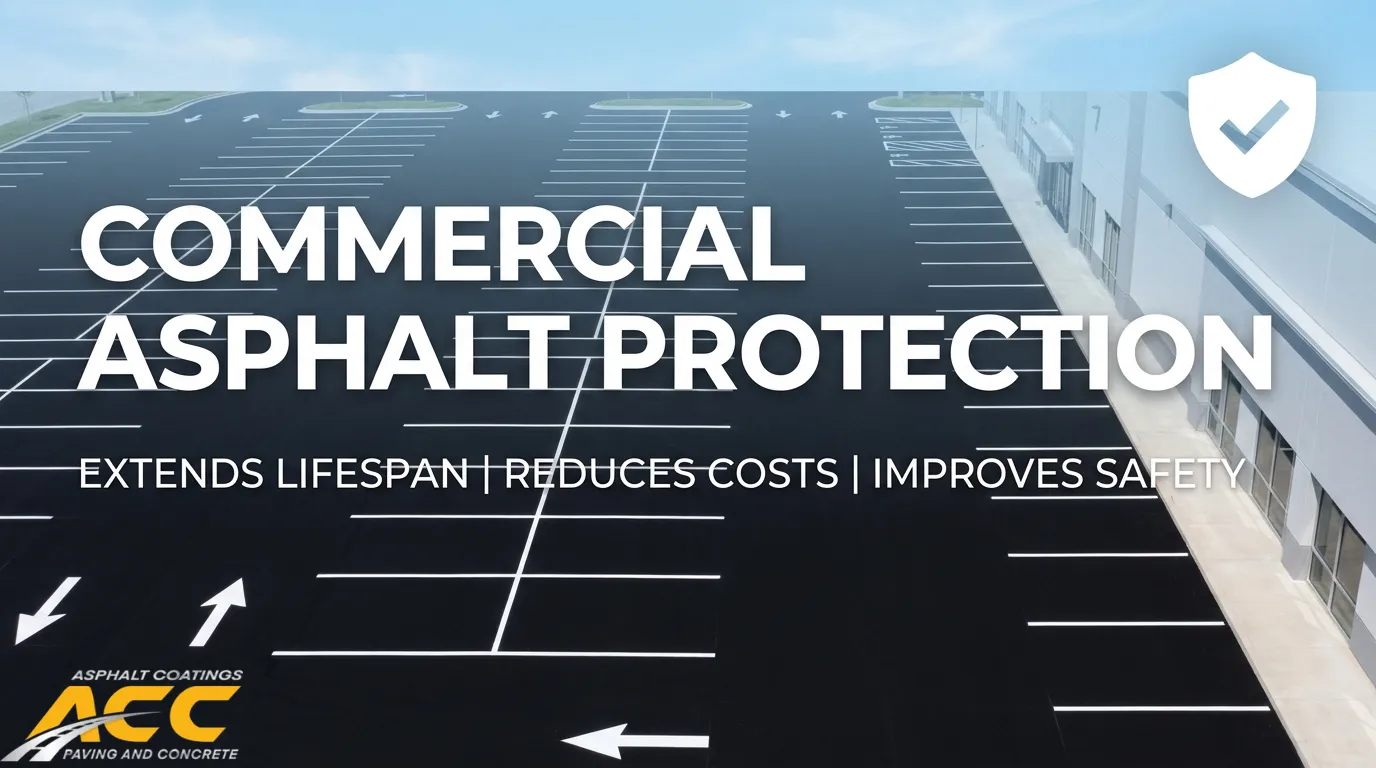
What Are the Major Benefits of Sealcoating Commercial Asphalt in Fort Collins, CO?
July 31, 2026
Sealcoating is a preventive asphalt treatment that applies a protective barrier over commercial pavement to shield it from UV radiation, moisture, chemical exposure, and daily traffic wear. This guide covers pavement protection and lifespan extension, long-term cost savings, safety and compliance, curb appeal and traffic flow, scheduling and cost factors, project preparation, and choosing the
Read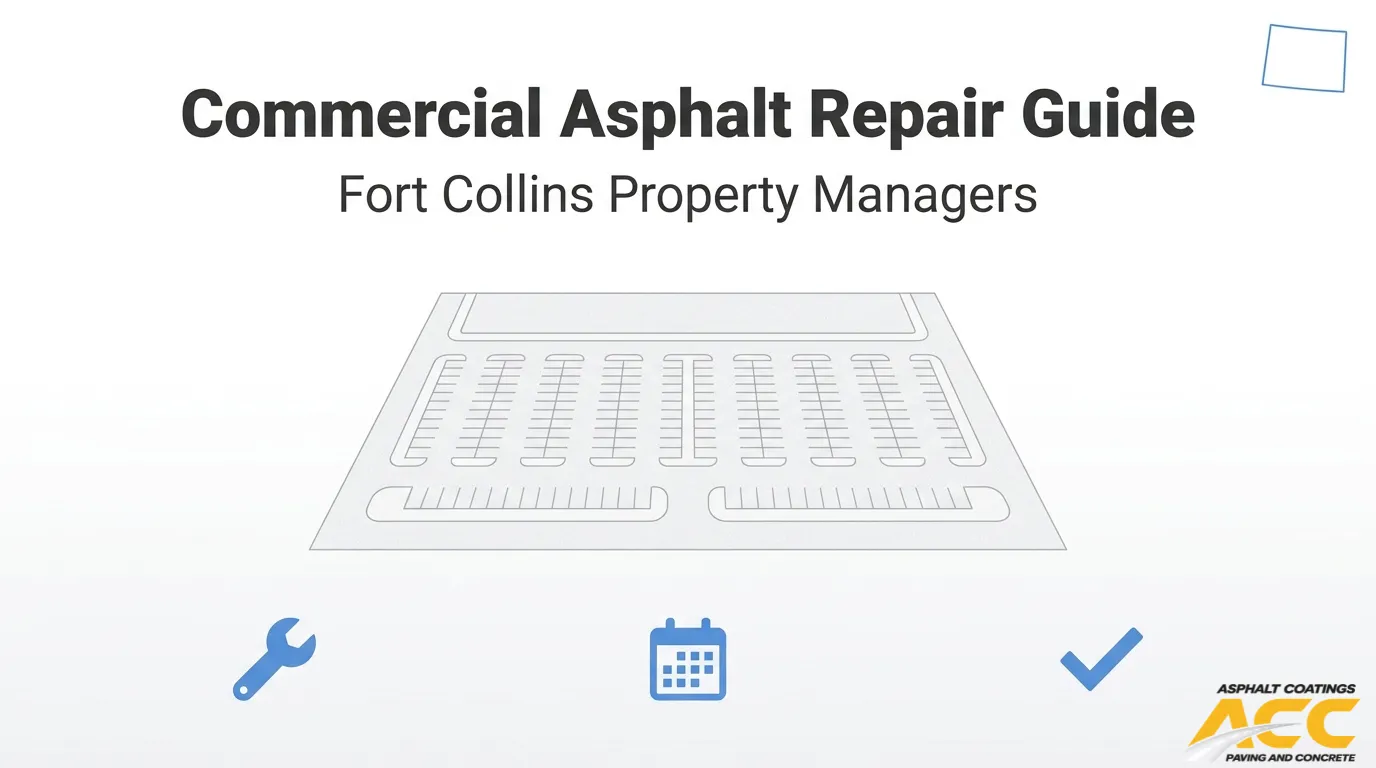
What Should Property Managers Know About Fort Collins Commercial Asphalt Repair?
July 30, 2026
Fort Collins commercial asphalt repair is the process of restoring and maintaining paved surfaces on commercial properties to protect structural integrity, ensure safety, and extend pavement life under Colorado’s demanding climate conditions. This guide covers common asphalt failure modes, repair and replacement decision-making, available repair methods, protective treatments like crack sealing and sealcoating, cost and
Read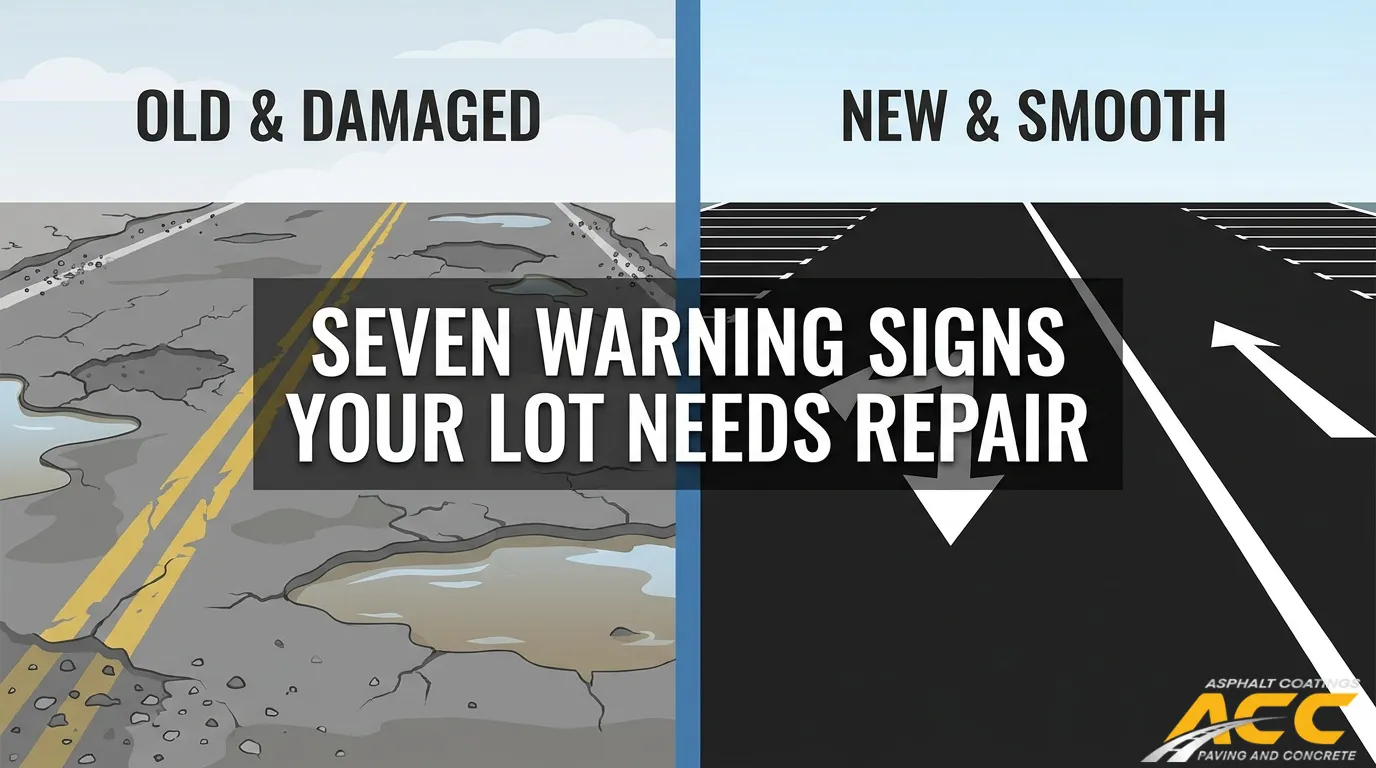
7 Signs Your Fort Collins Commercial Parking Lot Needs Repairs?
July 30, 2026
A commercial parking lot showing cracks, potholes, or fading surfaces is a property actively losing value, safety, and customer trust. Catching these warning signs early is the difference between affordable maintenance and six-figure reconstruction. This guide covers structural cracking and pothole formation, drainage and standing water failures, surface deterioration and marking wear, concrete infrastructure damage,
Read
What Do Fort Collins Businesses Need To Know About Commercial Asphalt?
July 30, 2026
Commercial asphalt in Fort Collins is a climate-sensitive investment that demands careful planning, proper materials, and consistent maintenance to perform under northern Colorado’s harsh conditions. This guide covers climate impacts on pavement performance, parking lot design and material selection, inspection and maintenance strategy, budgeting and safety compliance, ADA requirements, and contractor evaluation. Fort Collins’ combination
Read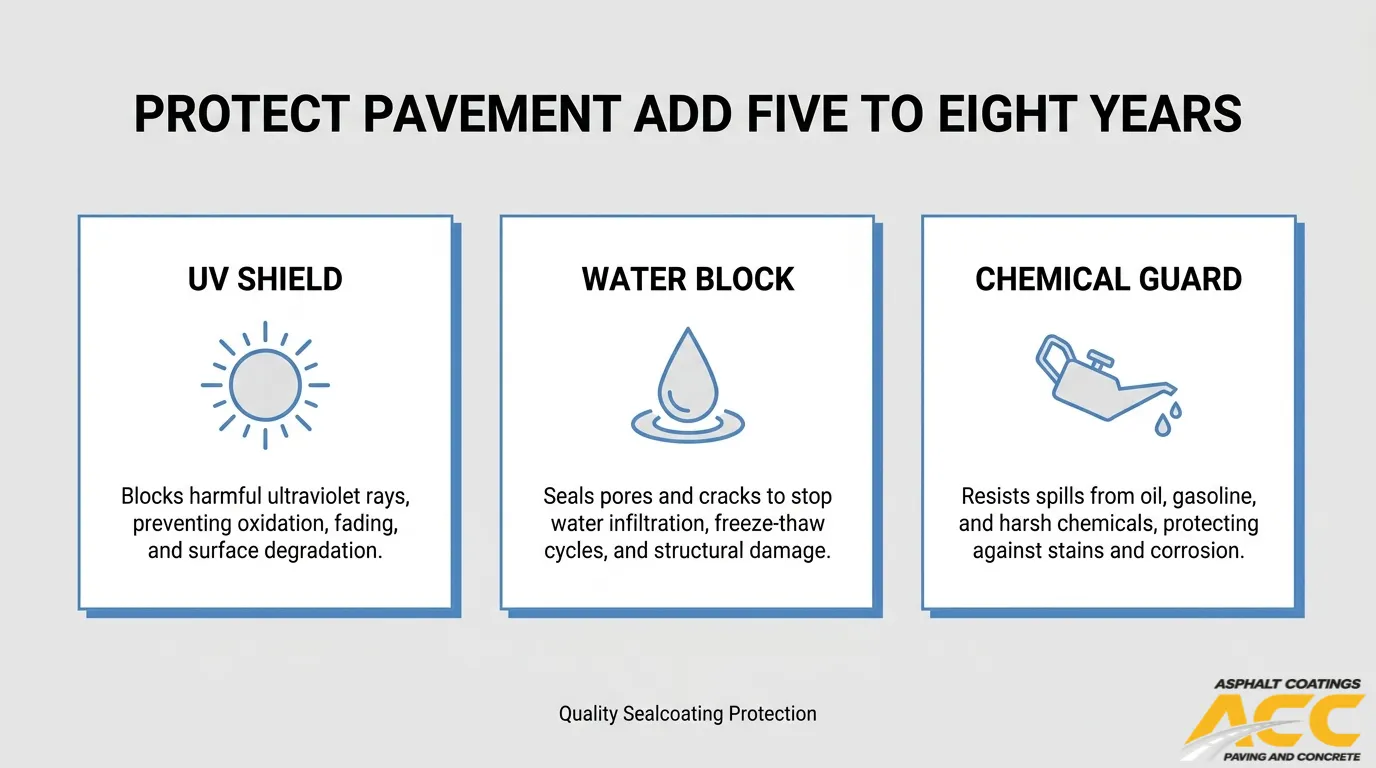
How Does Quality Sealcoating in Fort Collins Extend Pavement Life?
July 30, 2026
Quality sealcoating in Fort Collins is a preventive asphalt treatment that shields pavement from UV radiation, water infiltration, and chemical damage, adding five to eight years of service life to protected surfaces. This guide covers Fort Collins climate challenges and their effect on asphalt, sealcoating protection mechanisms and scheduling, surface preparation and material selection, long-term
Read
Commercial Asphalt Repair Pricing in Fort Collins: Cost, Lifespan, & Value Answers
July 29, 2026
Commercial asphalt repair pricing in Fort Collins reflects the relationship between repair method, expected service life, and total cost of ownership across a pavement’s full life cycle. Costs range from $0.19 per square foot for sealcoating to $7 per square foot for full-depth paving, with each option delivering a different return based on site conditions
Read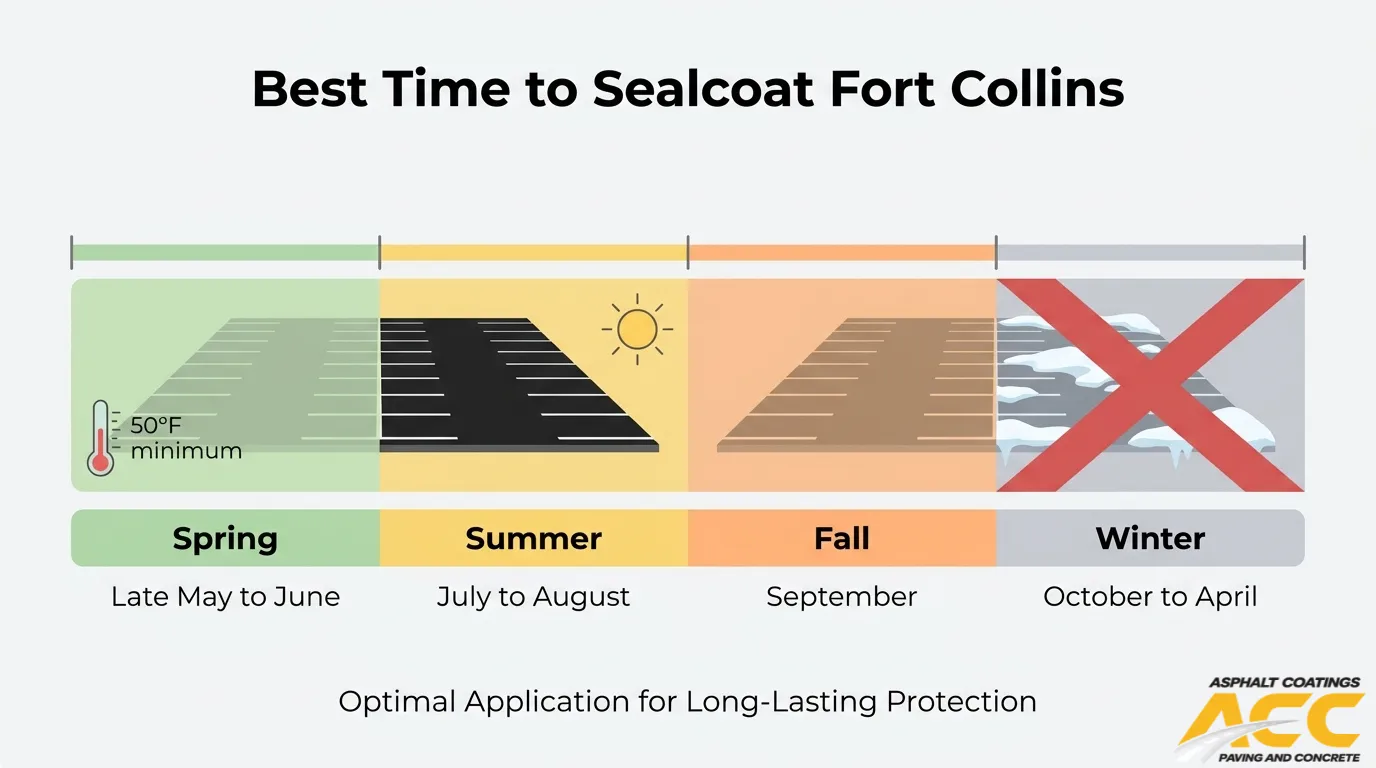
Best Time of Year to Sealcoat a Commercial Parking Lot in Fort Collins
July 29, 2026
The best time of year to sealcoat a commercial parking lot in Fort Collins is late spring through early fall, when daytime temperatures consistently exceed 50°F and dry conditions allow proper emulsion curing. Fort Collins’ cold semi-arid climate at 5,007 feet of elevation compresses this window compared to lower-altitude cities, making precise scheduling essential. This
Read
Concrete vs Asphalt: What Is Best for Commercial Parking Lots in Fort Collins?
July 29, 2026
Choosing between concrete and asphalt for a commercial parking lot in Fort Collins is a material performance decision shaped by local climate, traffic demands, and long-term budget goals. Each surface handles the region’s freeze-thaw cycles, UV exposure, and heavy vehicle loads differently. This guide covers climate and durability factors, installation and maintenance planning, lifecycle cost
Read