
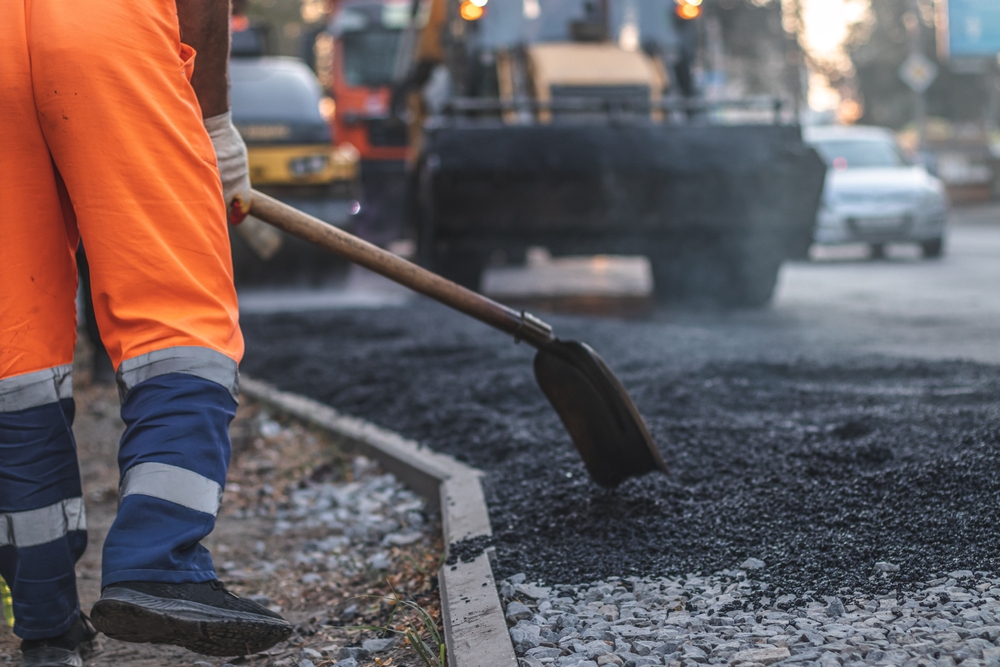
When to Choose Concrete Replacement Instead of Repair: A Complete Guide for Property Owners
July 30, 2025
When it comes to worn or damaged concrete, property owners are often left asking the same critical question: Should I repair this, or is it time for a complete replacement? While minor issues can often be addressed with a surface-level fix, deeper damage, safety concerns, or code compliance requirements may make replacement the smarter investment.
Read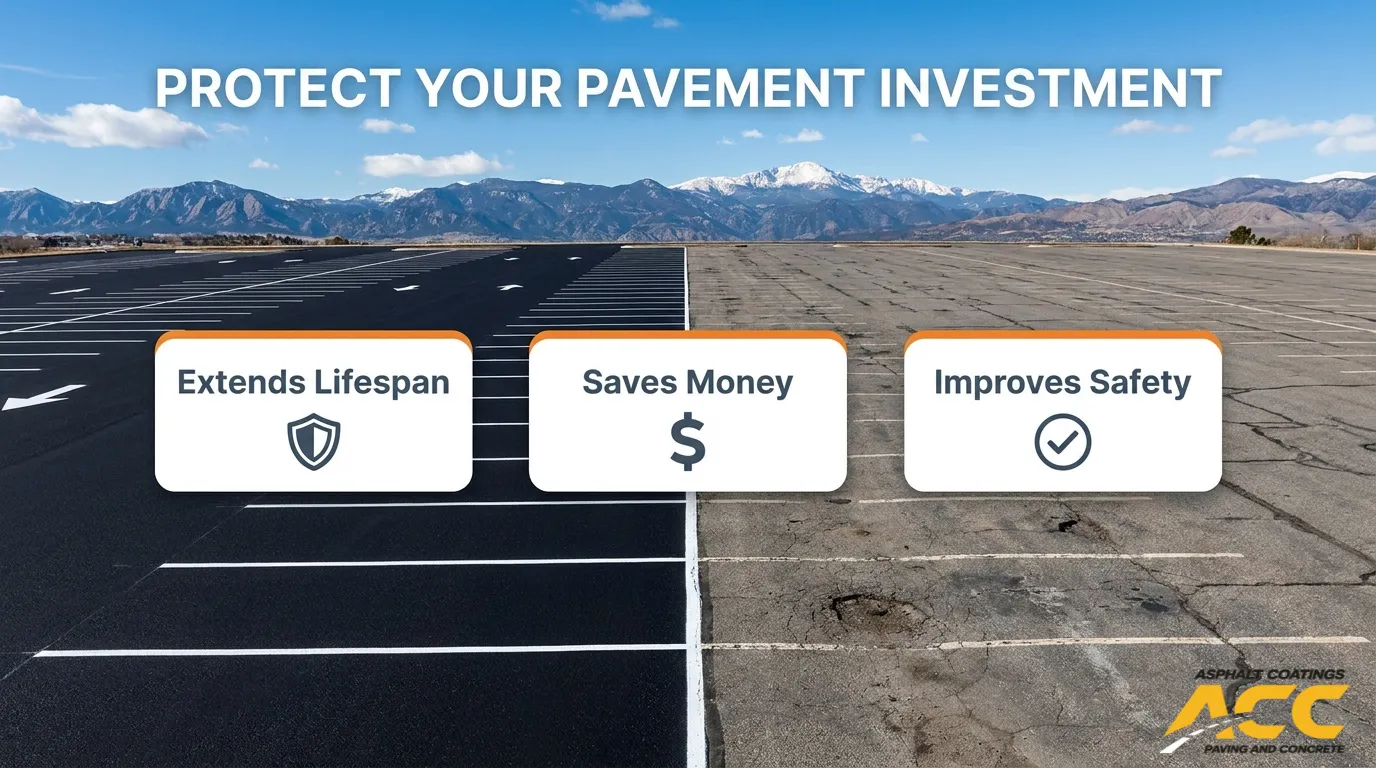
What Are the Top Benefits of Commercial Asphalt Sealcoating?
July 24, 2026
Commercial asphalt sealcoating is a preventive maintenance treatment that applies a protective emulsion layer over existing pavement to shield it from UV radiation, water, chemicals, and daily traffic wear. This guide covers pavement protection and lifespan extension, long-term cost savings, property appearance and safety improvements, scheduling and timing, property-specific applications, and contractor selection. Sealcoating extends
Read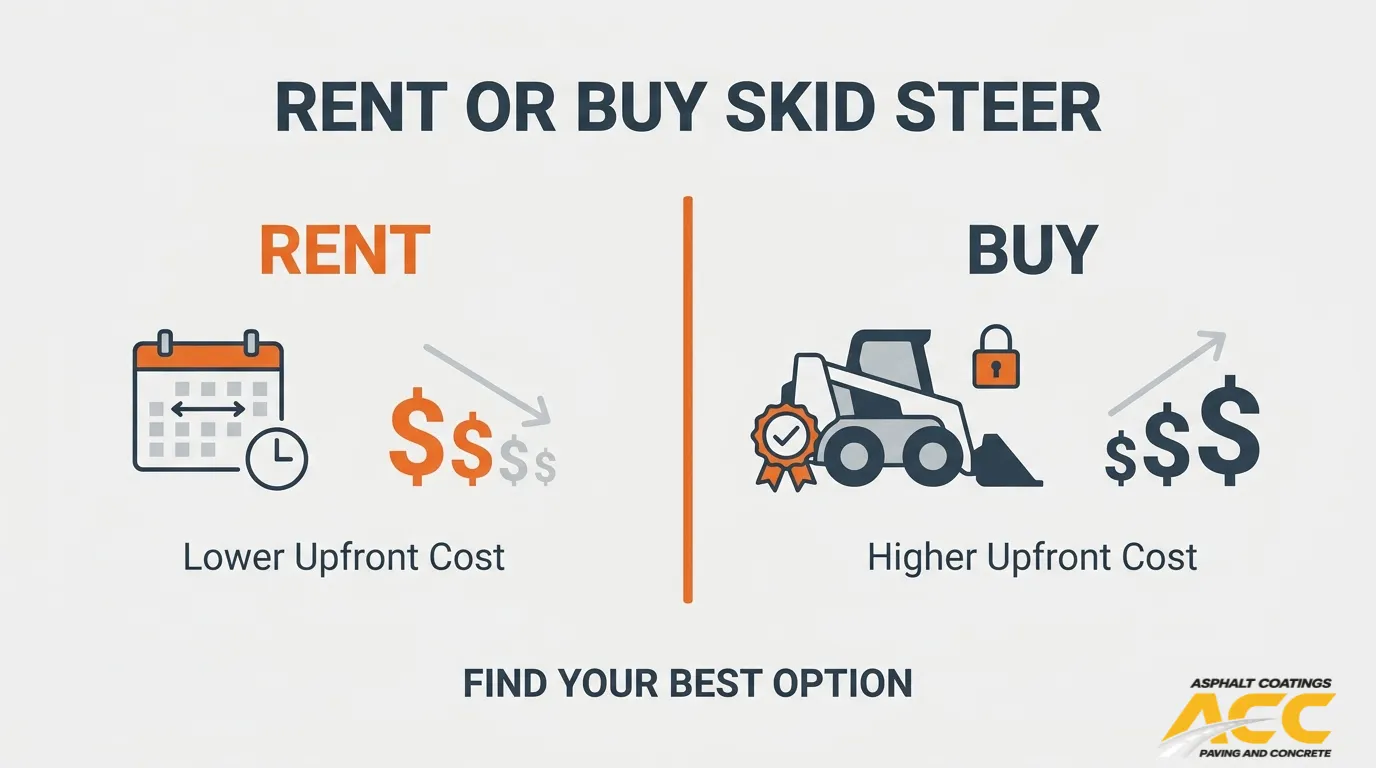
Rent vs Buy Skid Steer for Paving: Your Decision Guide
July 23, 2026
A skid steer is a compact, zero-radius-turning construction machine that serves as the backbone of asphalt paving operations; the decision to rent or buy one depends on your project frequency, budget, and long-term equipment needs. This guide covers paving attachments and their applications, rental and purchase cost breakdowns, hidden expenses on both sides of the
Read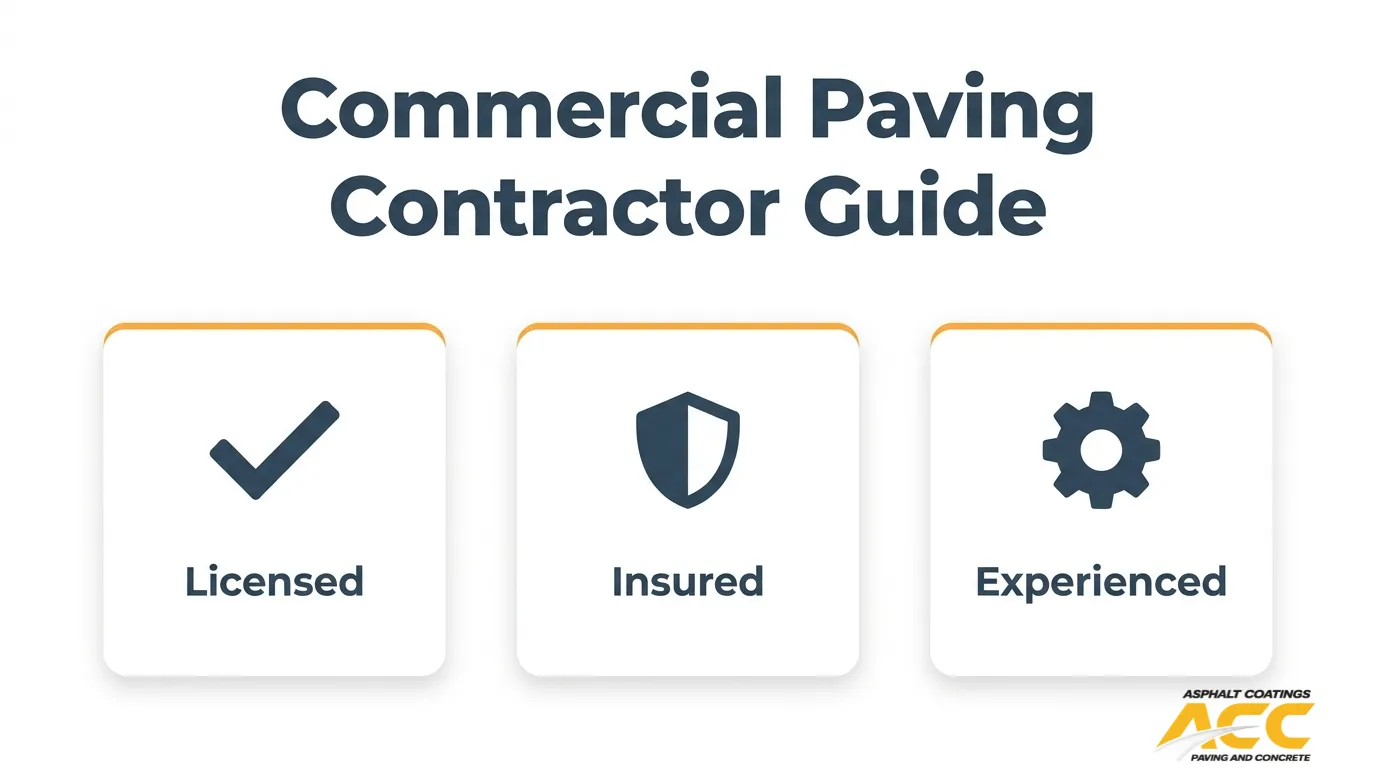
Top Commercial Paving Contractors: Comparison Guide
July 23, 2026
Commercial paving contractors are specialized firms that manage the full lifecycle of paved surfaces for businesses, covering everything from new asphalt and concrete installations to sealcoating, striping, and ADA compliance work. Choosing the right one requires a structured comparison across multiple dimensions. This guide covers the scope of commercial paving services, contractor evaluation criteria, bid
Read