
Asphalt Mill and Pave
in Aurora, CO
Finding reliable asphalt mill and pave in Aurora, CO starts with comparing contractors based on project suitability, available services, local service coverage, estimated costs, qualifications, customer reviews, milling depth, overlay thickness, base-condition assessment, drainage expertise, equipment capacity, material specifications, commercial project experience, scheduling, warranties, and knowledge of Aurora’s climate. Read more ⌄ Read less ⌃
Professional asphalt mill and pave in Aurora, CO helps property owners remove deteriorated surface asphalt, preserve a structurally stable pavement foundation, correct surface elevations and drainage, and install a new compacted hot-mix asphalt layer without unnecessary full-depth reconstruction. Reviewing pavement assessments, written estimates, milling depths, overlay specifications, comparable projects, warranties, and customer feedback is essential when selecting an asphalt milling and paving contractor in Aurora. Asphalt Coatings Company, licensed with the City of Aurora, ROW contractor license #2026 2622142 00 CL, ROW supervisor license #2025 2554024 00SL, is a commercial asphalt mill and pave contractor serving Aurora and Colorado’s Front Range since 1986 with in-house paving crews, milling equipment, and experience completing high-traffic commercial projects. Asphalt Coatings Company provides pavement assessment, cold milling, surface cleaning, localized structural repairs, tack-coat application, hot-mix asphalt paving, compaction, drainage correction, pavement-marking restoration, and phased project scheduling. Commercial service coverage extends throughout Aurora, including areas such as Original Aurora, Northwest Aurora, Del Mar Parkway, Meadowood, Mission Viejo, Murphy Creek, Saddle Rock, and surrounding commercial districts.
Asphalt mill and pave costs in Aurora depend on total square footage, pavement condition, milling depth, overlay thickness, localized base repairs, asphalt specifications, drainage corrections, equipment access, traffic control, striping, and construction phasing. Each mill and pave project begins with an assessment of cracking, potholes, raveling, rutting, ponding, surface oxidation, traffic loading, drainage, and underlying pavement stability before the contractor determines whether milling and resurfacing or full-depth reconstruction is appropriate.
The mill and pave process can include removing the deteriorated asphalt layer with cold-milling equipment, sweeping and cleaning the milled surface, inspecting the exposed pavement structure, correcting localized failures and drainage deficiencies, applying tack coat, placing fresh hot-mix asphalt, compacting the new surface, completing transitions, and conducting a final quality inspection. Proper milling depth and overlay thickness allow contractors to remove failed surface material while retaining a sound aggregate base, restoring curb reveal, correcting cross-slope, improving drainage, and producing a smoother finished pavement surface. Removed asphalt millings can also be recycled as reclaimed asphalt pavement for use in future asphalt production.
These services restore parking lots, private roads, drive lanes, loading areas, industrial yards, distribution facilities, retail centers, apartment communities, office properties, healthcare facilities, and other high-traffic commercial pavement throughout Aurora. Climate-specific milling and paving helps local pavement withstand freeze-thaw cycles, snowmelt, moisture infiltration, heavy vehicle loading, seasonal temperature fluctuations, and high-altitude environmental exposure.
- Restored Pavement Surface: Cold milling removes cracked, oxidized, rutted, and deteriorated surface asphalt before a new compacted overlay is installed.
- Preserved Pavement Foundation: Mill and pave retains a structurally sound aggregate base when full-depth excavation and reconstruction are unnecessary.
- Improved Drainage: Controlled milling and paving can correct cross-slope, ponding areas, pavement elevations, curb reveal, and drainage flow.
- Improved Ride Quality: A properly placed and compacted asphalt overlay creates a smoother, more uniform surface for vehicles and pedestrians.
- Lower Reconstruction Costs: Preserving a serviceable base reduces excavation, disposal, aggregate replacement, construction time, and total project costs.
- Longer Pavement Life: Correct milling depth, tack-coat bonding, asphalt specifications, compaction, and drainage improve long-term pavement performance.
- Reduced Material Waste: Reclaimed asphalt millings can be recycled and incorporated into future asphalt production instead of being discarded.
- Reduced Property Disruption: Phased and weekend paving can maintain planned access for customers, tenants, employees, residents, delivery vehicles, and commercial operations.
Aurora Asphalt Paving Reviews
Hiring Asphalt Coatings Company as a commercial asphalt paving contractor in Aurora offers competitive pricing, dependable scheduling, consistent communication, experienced estimators, quality workmanship, and long-term maintenance planning for property managers, HOA boards, business owners, and commercial developers across Colorado.


Featured Clients ACC Has Served
National retailers, grocery chains, travel centers, and dealerships across Colorado trust Asphalt Coatings Company with their commercial pavement.
 Asphalt Coatings Company has delivered commercial asphalt paving and parking lot maintenance for Costco Wholesale in Colorado.
 Asphalt Coatings Company has delivered commercial asphalt paving and parking lot maintenance for Safeway in Colorado.
 Asphalt Coatings Company has delivered commercial asphalt paving and parking lot maintenance for King Soopers in Colorado.
 Asphalt Coatings Company has delivered commercial asphalt paving and parking lot maintenance for Lowe's in Colorado.
 Asphalt Coatings Company has delivered commercial asphalt paving and parking lot maintenance for The Home Depot in Colorado.
 Asphalt Coatings Company has delivered commercial asphalt paving and parking lot maintenance for Target in Colorado.
 Asphalt Coatings Company has delivered commercial asphalt paving and parking lot maintenance for TravelCenters of America in Colorado.
 Asphalt Coatings Company has delivered commercial asphalt paving and parking lot maintenance for CarMax in Colorado.
Asphalt Milling and Paving by Application in Aurora
Asphalt Coatings Company has milled and repaved commercial pavement across Aurora and Colorado’s Front Range since 1986, running company-owned milling machines, pavers, and rollers on every phase rather than subcontracting the work.
Parking Lot Mill and Pave in Aurora
Most commercial lots reach a point where patching stops being the cheaper option and the surface course needs replacing outright. Whether that means the whole lot, only the failed zones, or a variable-depth cut to fix the drainage first depends on how much of the surface is genuinely finished and where the water is going.
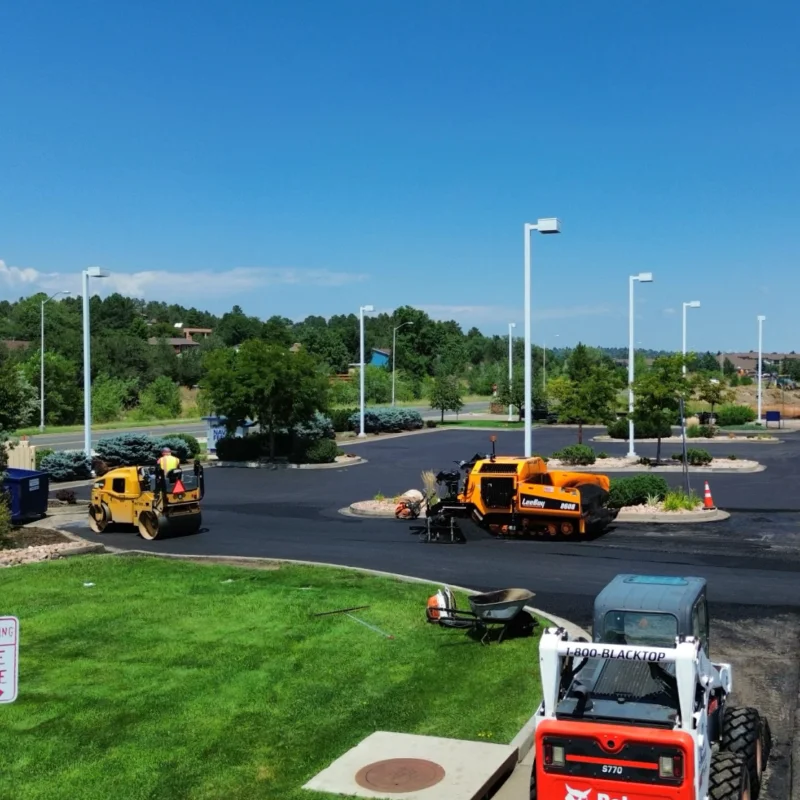
Full Lot Mill & Overlay
Removes the entire parking lot surface to a uniform depth and overlays it with fresh hot mix asphalt, producing a completely renewed surface with corrected drainage.
- 1.5 to 2 inch milling depth (standard)
- Tack coat application for layer bonding
- Hot mix asphalt overlay to match grade
- Cross-slope correction for drainage
- Smooth transitions at curbs and structures
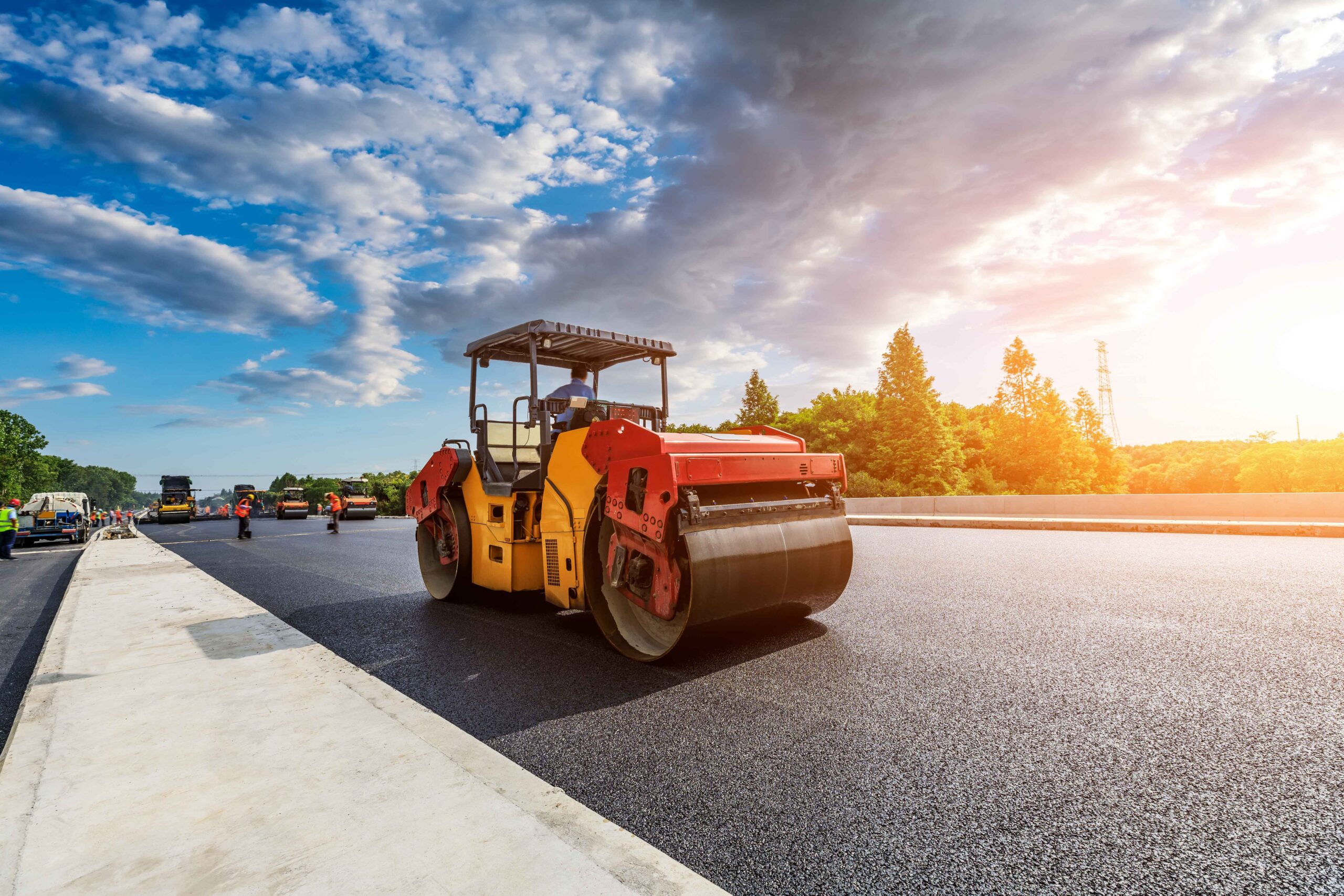
Partial Mill & Pave (Zones)
Mills and paves only the deteriorated zones of a parking lot while leaving the structurally sound areas untouched.
- Targeted milling of failed zones only
- Feathered transitions to the existing surface
- Lower cost than full-lot resurfacing
- Phased approach for budget management
- Minimal business disruption
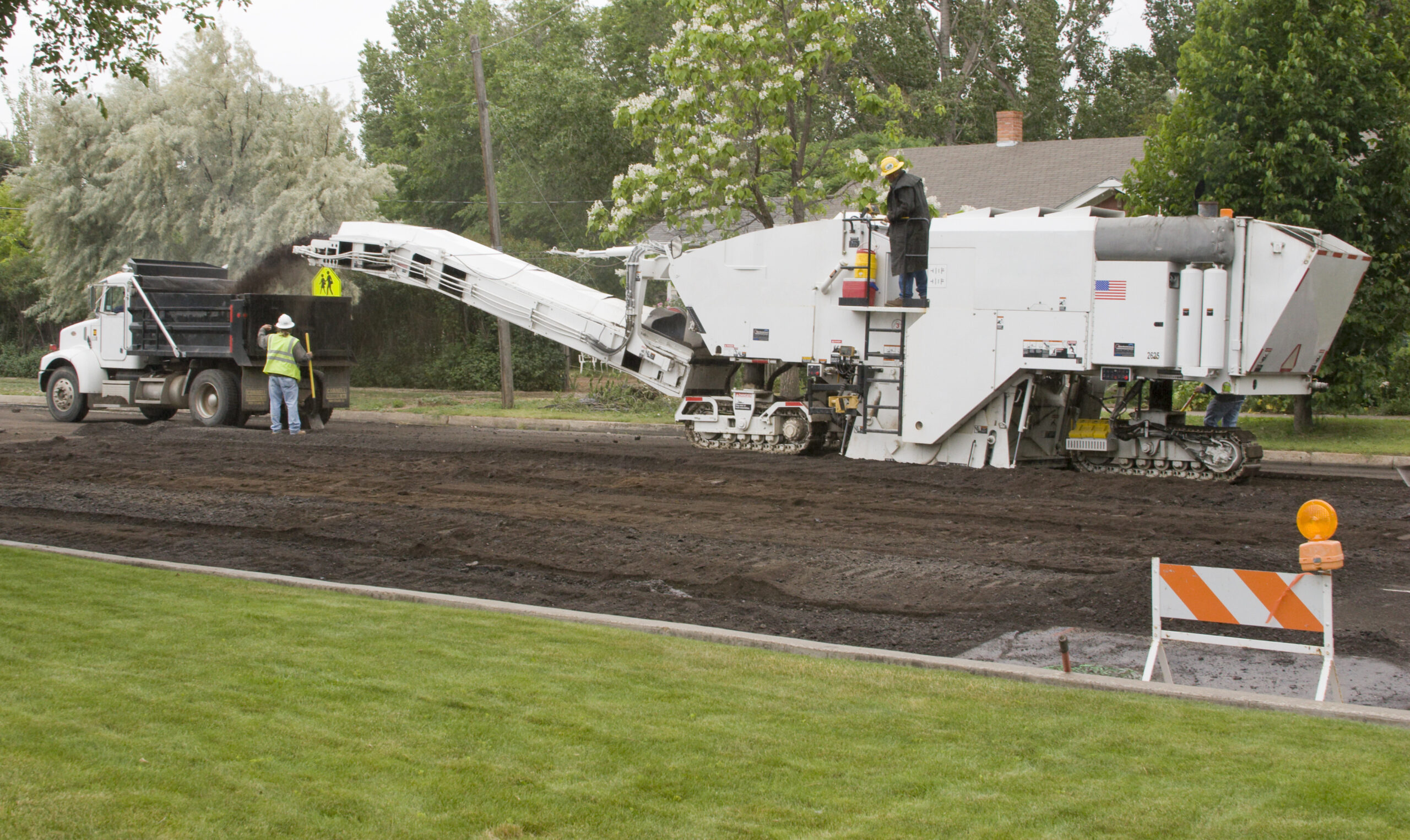
Profile Correction Overlay
Uses variable-depth milling to correct drainage problems, eliminate ponding, and restore proper cross-slope before the overlay goes down.
- Variable-depth cold milling for grade correction
- Eliminates ponding and standing water
- Restores 2% cross-slope for drainage
- Maintains curb reveal heights
- Engineered overlay thickness
Road and Access Lane Milling and Overlay in Aurora
Freight moving through the I-70, I-225, and E-470 corridors puts loaded axles onto Aurora access roads and industrial yards every working day. Those surfaces mill deeper, take a heavier mix, and are phased around shipping rather than around store hours.
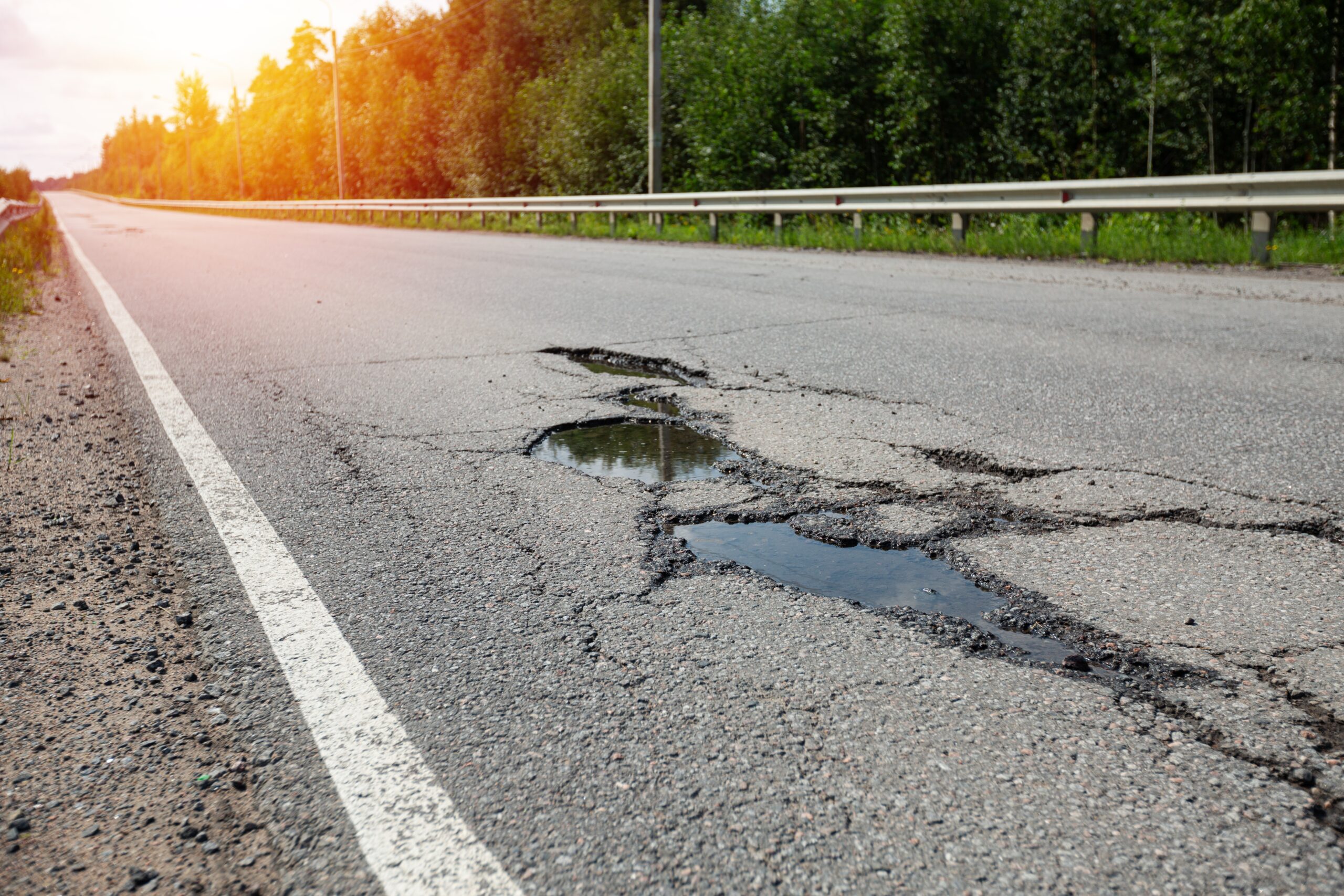
Commercial Access Road Mill & Pave
Mills and resurfaces access roads at industrial parks, distribution centres, and commercial developments with heavy-duty asphalt specified for truck traffic.
- 2 to 3 inch milling depth for roads
- Heavy-duty hot mix asphalt overlay
- Curb and gutter transition matching
- CDOT specification compliance
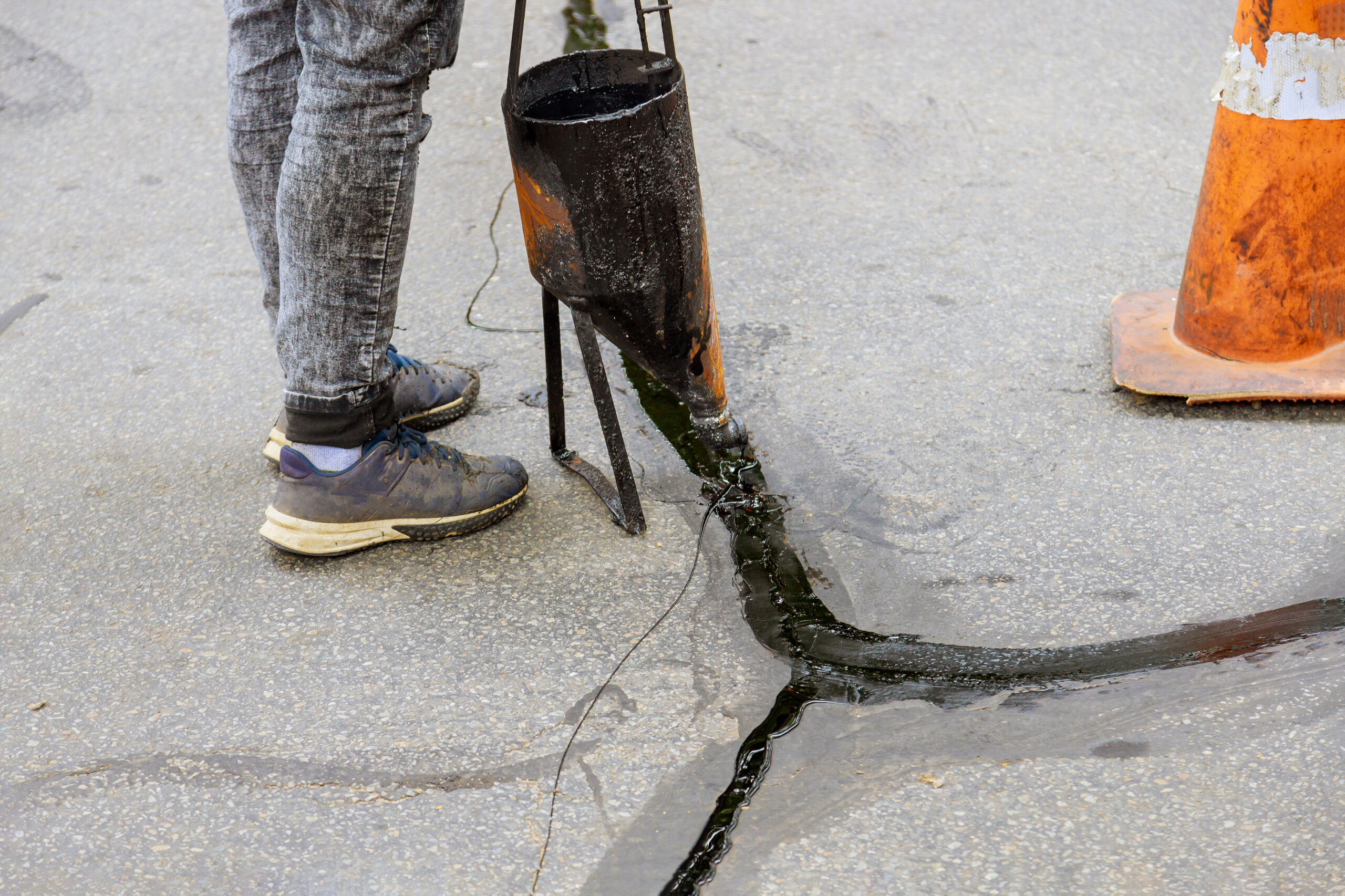
Drive Lane Resurfacing
Mills and overlays high-traffic drive lanes where turning movements and heavy loads have caused accelerated surface wear.
- Targeted drive lane milling
- Seamless transitions to adjacent areas
- Traffic control during operations
- Night and weekend work available
- Lot stays open through the work
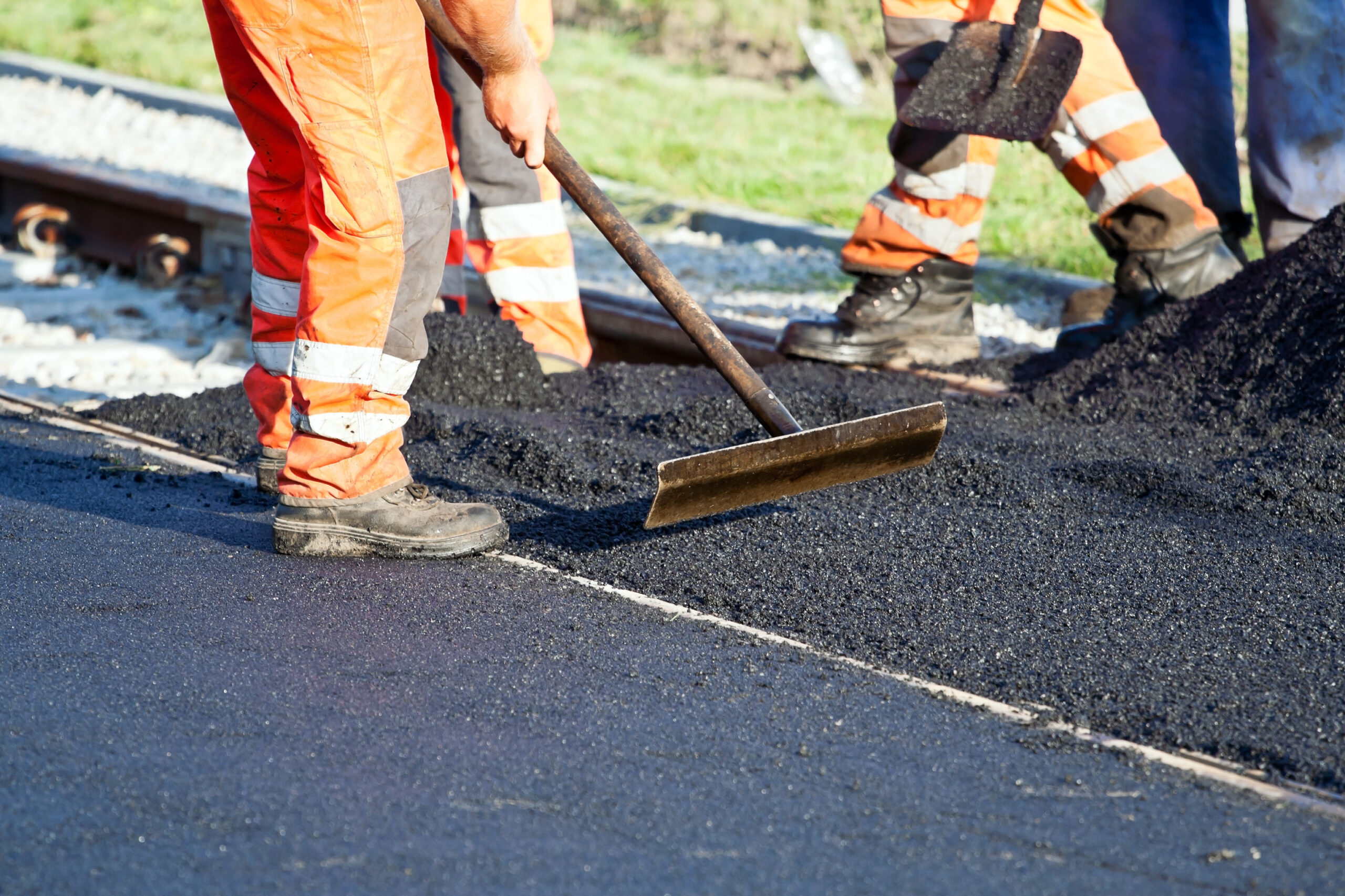
Industrial Yard Resurfacing
Mills and paves industrial yards, loading dock approaches, and trailer staging areas built to carry heavy axle loads.
- 3-inch milling for heavy-duty areas
- Polymer-modified asphalt for rut resistance
- Utility cut and trench restoration
- Dock approach grade matching
- Phased work to maintain operations
Parking Lot Repair & Maintenance in Aurora, CO
Asphalt Coatings Company converts unpredictable emergency repairs into scheduled, budgeted maintenance, sealcoating on the two to three year cycle that protects the binder from water, oil, and UV exposure. We restore ADA-compliant striping so a property passes inspection, and we structure multi-year programs around the bank and city inspections its clients already answer to. One of our documented contracts runs five years, covering annual pothole repair, crack sealing, and two sealcoat applications across its term.
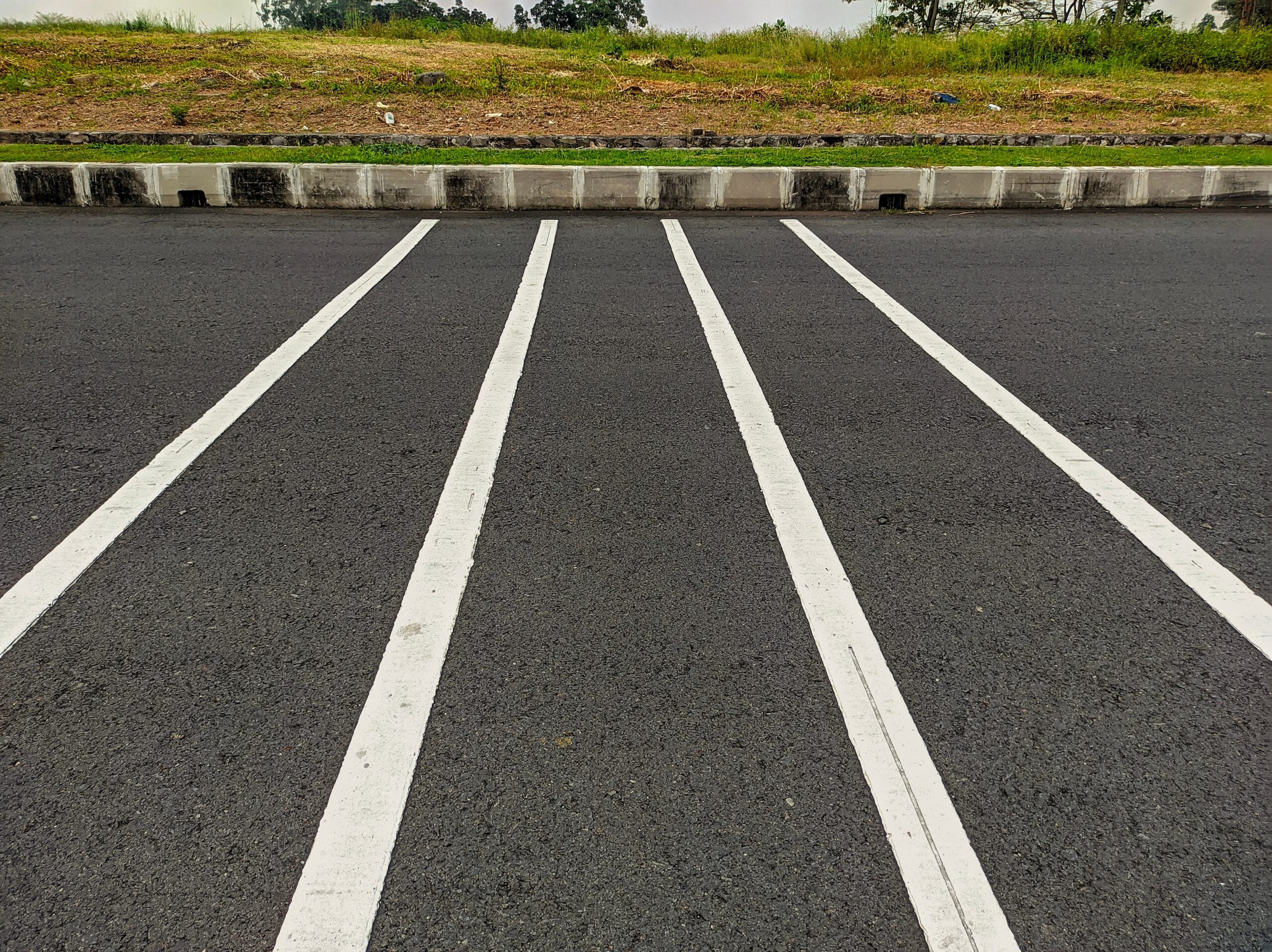
Parking Lot Sealcoating
We apply a protective coat that shields asphalt from water, oil, and UV rays, recommending a two to three year interval that stops the binder oxidizing and the surface raveling.
- Recommended every 2–3 years
- Protects against water, oil and UV
- Restores the black finish tenants notice
- Extends the interval before resurfacing
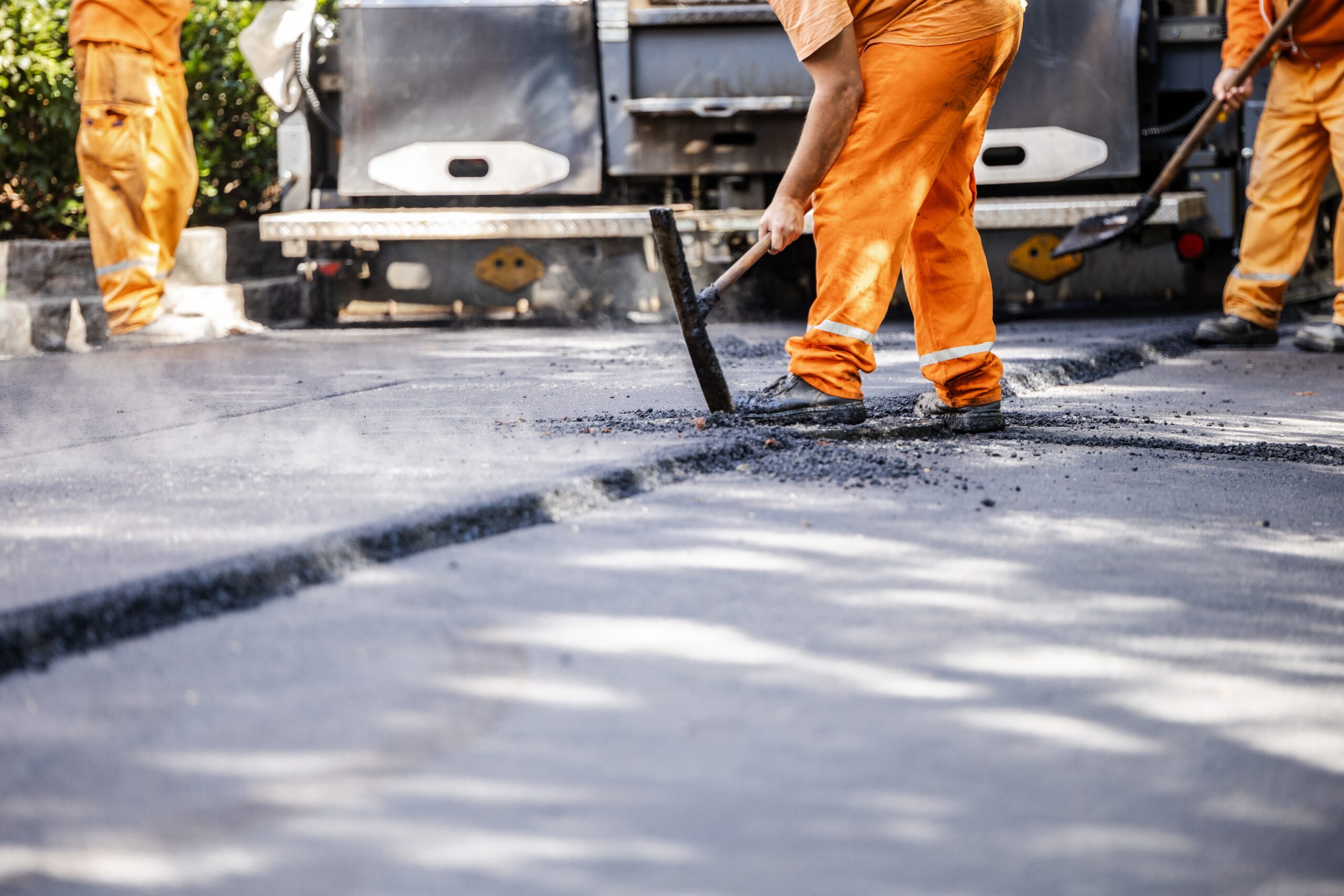
Parking Lot Striping
We lay out stalls, fire lanes, accessible spaces, and directional markings, restoring striping after sealcoating so the finished lot directs traffic clearly and survives an accessibility review.
- ADA-compliant stalls and access aisles
- Fire lanes, stop bars and directional arrows
- Re-striping after sealcoating
- Layout designed for site circulation
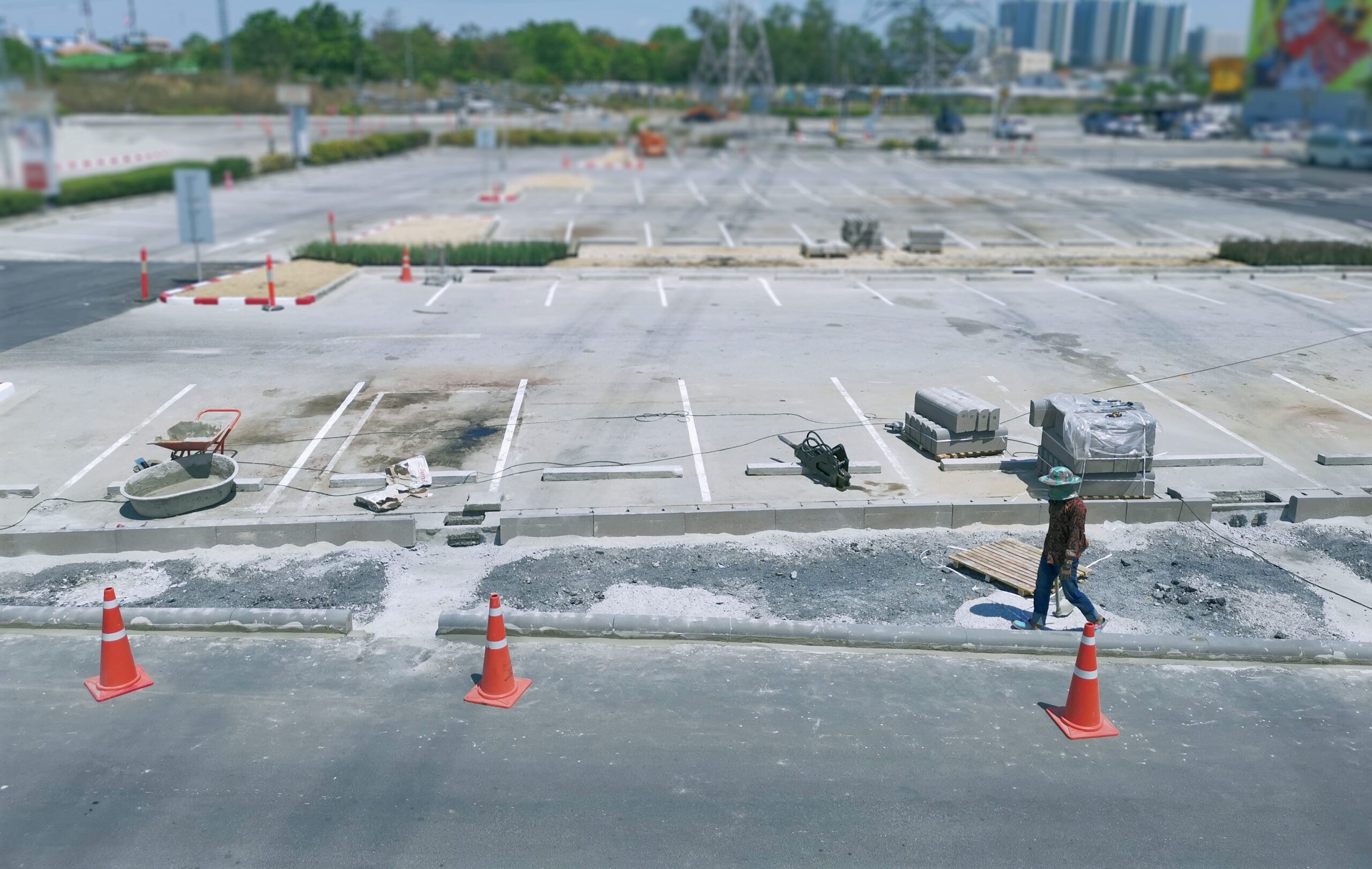
Maintenance Programs
We build multi-year programs that fix a property's pavement spend in advance, replacing emergency call-outs with a schedule the owner and the lender can both plan against.
- Structured for annual bank and city inspections
- Annual pothole repair and crack sealing
- Sealcoating scheduled across the term
- Budget set years in advance
Qualifications Behind Every Aurora Paving Project
Asphalt Coatings Company has paved commercial property across Colorado since 1986. Our crews seal cracks with Colorado Department of Transportation approved materials, and our concrete teams build parking surfaces to ADA accessibility standards on every commercial property we pave.
 Yelp Reviewed
Rated by verified customers on Yelp
Yelp Reviewed
Rated by verified customers on Yelp
 5-Star Rated
Top-rated on Google Reviews
5-Star Rated
Top-rated on Google Reviews
 Buyer's Guide
Featured in the local contractor buyer's guide
Buyer's Guide
Featured in the local contractor buyer's guide
 AAMD Member
Apartment Association of Metro Denver
AAMD Member
Apartment Association of Metro Denver
 Licensed & Insured
Current documentation available on request
Licensed & Insured
Current documentation available on request
When to Use Asphalt Mill and Pave vs Other Solutions in Aurora
Milling and paving is the right answer for a specific condition: a worn-out surface sitting on a base that is still doing its job. Where the base has failed, resurfacing buys a season or two before the same failure comes back through the new mat. The six conditions below cover most of what Asphalt Coatings Company assesses across Aurora, and only three of them call for a mill and pave at all.
Widespread Surface Cracking with Sound Base
The asphalt surface shows interconnected cracking, oxidation, and raveling, but the aggregate base underneath remains structurally sound. The pavement has worn out from the top down rather than failing from the bottom up.
Mill and pave: remove the deteriorated surface, preserve the base, and overlay with new hot mix asphalt.
Drainage & Ponding Issues of Surface Origin
Standing water collects in low spots created by surface settling, paver joint irregularities, or errors in the original grade, while the base material beneath those areas is still intact.
Profile correction mill and overlay, using variable-depth milling to restore the proper drainage grade.
Alligator Cracking with Base Failure
Fatigue cracking extends through the full depth of the asphalt, and probing reveals soft, saturated, or void-filled base material beneath it. Resurfacing this section would place a new mat over a foundation that is no longer carrying load.
Full-depth replacement: remove the asphalt and the failed base, and rebuild from the subgrade up.
Subgrade Movement & Heaving
The pavement shows heaving, depression, or undulation caused by the expansive clay soils beneath the aggregate base. Milling the surface flat does nothing about ground that is still moving seasonally underneath it.
Full-depth reconstruction with subgrade stabilisation or geotextile reinforcement.
Early-Stage Cracking Without Structural Damage
The pavement shows linear cracking, longitudinal or transverse, from thermal contraction, but no interconnected alligator patterns anywhere on the surface. The lot is not yet a resurfacing candidate.
Crack sealing and sealcoating, far less expensive than milling and preserving the existing surface.
Isolated Pothole & Patch Failures
The lot has ten to twenty potholes or failed patches concentrated in specific areas, while 80% or more of the surface remains structurally sound. Resurfacing the whole property would pay to replace pavement that has not failed.
Saw-cut full-depth patching of the failed areas, then crack seal and sealcoat the remaining surface.
Asphalt Mill and Pave Projects Completed in Aurora
Asphalt Coatings Company has milled and resurfaced commercial pavement throughout the Aurora metro area since 1986. We sequence each project around the trucks, tenants, and residents who use the surface every day, and we mill only where the base can carry an overlay, because that distinction changes both the scope and the price.
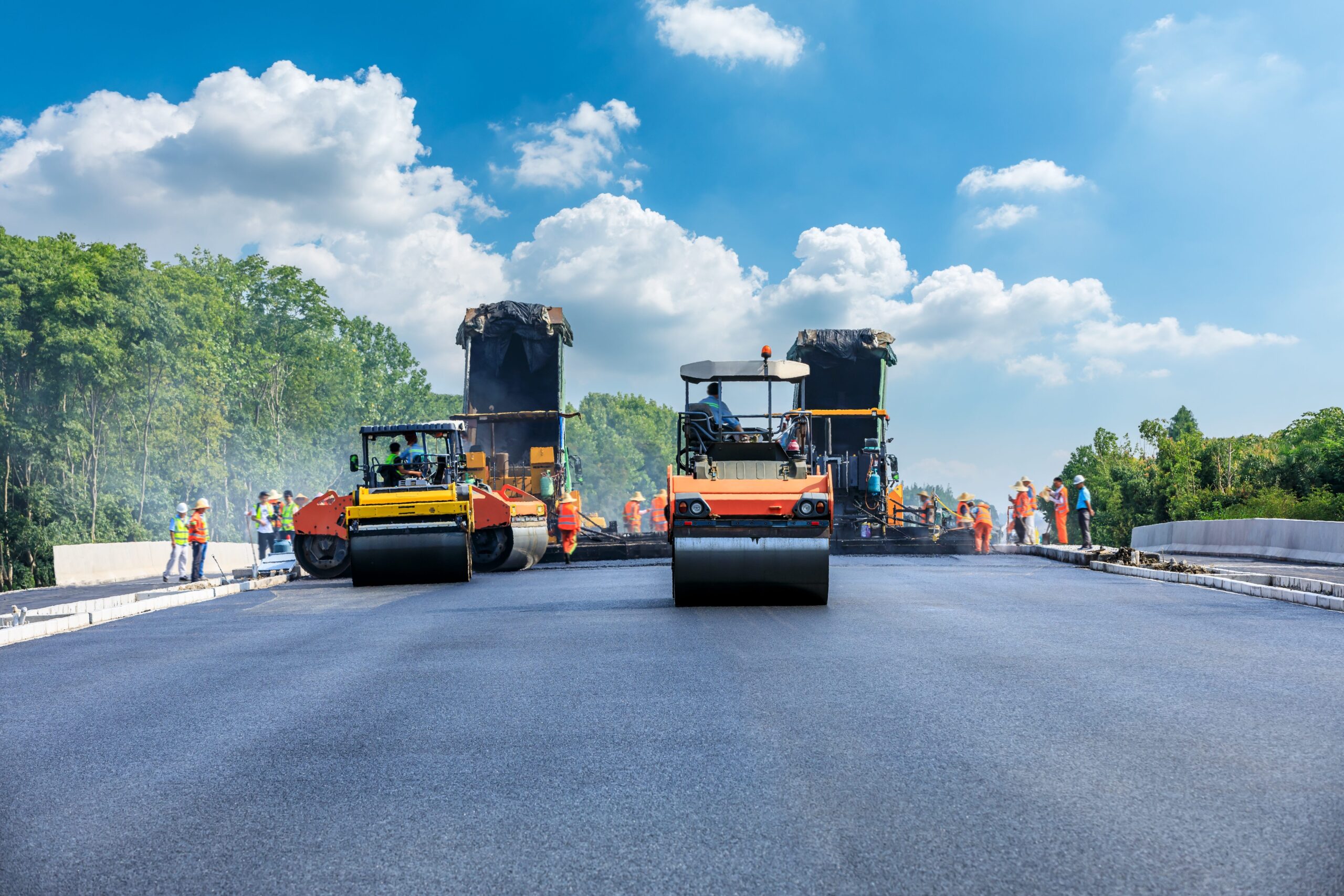
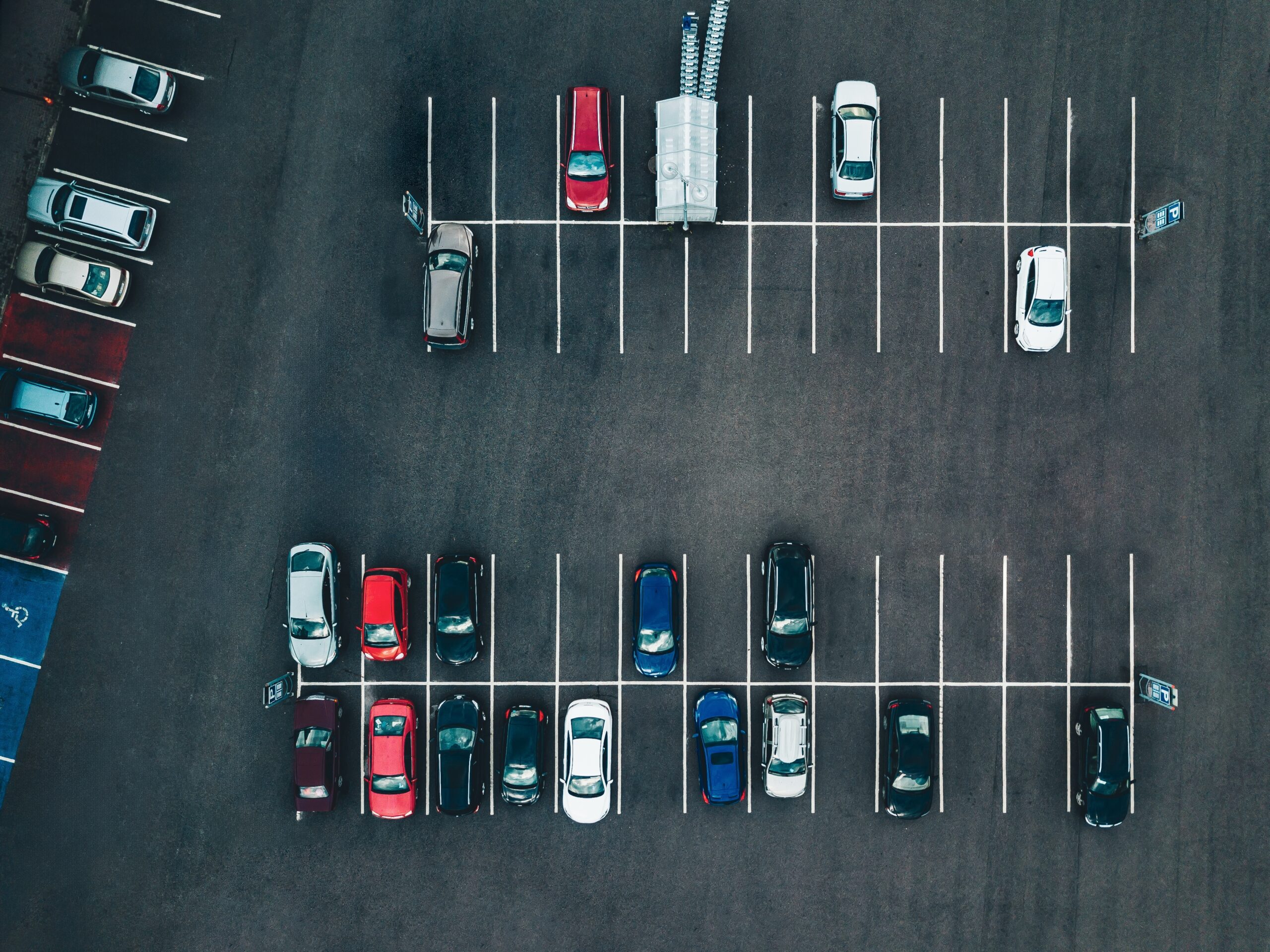
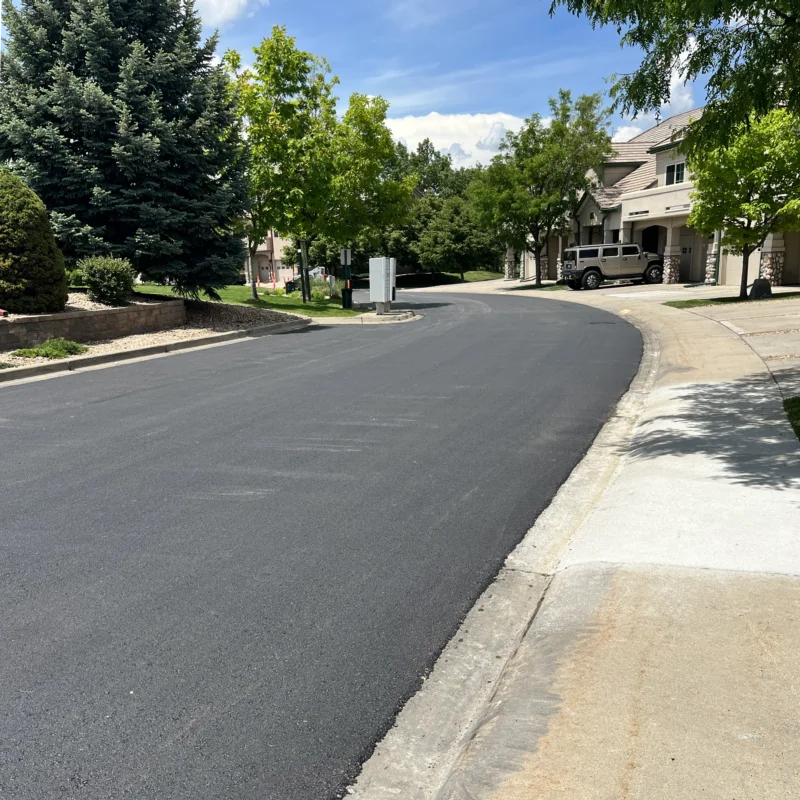
Full-Depth Asphalt vs Composite Section and Asphalt vs Concrete in Aurora
Two design decisions shape a new Aurora pavement before anything is placed: how the section is built up, and whether the surface should be asphalt or concrete at all. Asphalt Coatings Company answers both from the subgrade conditions and the expected loading rather than from a default detail, because on expansive clay the cheaper section is frequently also the better-performing one.
| Factor | Mill & Pave (Overlay) | Full-Depth Replacement | Crack Seal + Sealcoat |
|---|---|---|---|
| Cost | By on-site assessment | By on-site assessment | By on-site assessment |
| When Appropriate | Surface failure over a sound base | Base failure or subgrade issues | Early-stage cracking only |
| Expected Life | 12 to 20 years | 20 to 30 years | Extends life 3 to 5 years |
| Disruption Duration | 3 to 7 days typical | 2 to 4 weeks | 1 to 2 days |
| Base Preservation | Preserves the existing base | Removes and rebuilds the base | No structural work |
| Drainage Correction | Cross-slope correction possible | Full regrading possible | No grade changes |
| Recycled Material (RAP) | Milled material recycled into new mix | All material recycled | No material removed |
| Best For | Most commercial parking lots | Severely failed pavements | Newer pavements and preventive care |
Commercial Pavement ACC Has Built in Colorado
Asphalt Coatings Company has paved, milled, repaired and maintained commercial pavement across Colorado's Front Range since 1986. Our in-house crews complete every phase from subgrade preparation through final striping, and the company handles projects up to 1,500 parking spaces.


Professional Asphalt Mill and Pave Resurfacing in Aurora Backed by Company-Owned Equipment
Milling and overlay restores ride quality, drainage, and appearance without the cost or the closure of full reconstruction. Contact Asphalt Coatings Company for a free evaluation and a written scope that states the milling depth, the base repairs, and the price.
Advantages of Hiring ACC for Asphalt Mill and Pave in Aurora
Milling is an equipment-dependent service, and who owns the machine decides how a project gets scheduled. Asphalt Coatings Company has milled and repaved Front Range commercial pavement from an Aurora address since 1986, and the points below are what that ownership and that experience deliver on site.
Company-Owned Wirtgen Mills
We own our milling machines rather than renting them or subcontracting the mill. That ownership is what lets a crew mill and repave a loading dock inside a single day when a tenant cannot afford a second closure.
Milling Depth Set by Diagnosis
Depth follows the failure. We mill deep enough to remove what has actually failed and no deeper, because every unnecessary inch is material hauled off and hot mix bought back at the property owner's expense.
One Crew, Mill Through Compaction
The same company mills, sweeps, tacks, paves, and rolls. Nothing waits on a second contractor's calendar, which is what usually turns a one-day resurfacing into a three-day closure.
Drainage Corrected, Not Reproduced
Variable-depth milling lets us cut high spots and restore fall toward the inlets, so the resurfaced lot drains instead of reproducing the ponding that shortened the last surface's life.
Base Failure Found and Priced Openly
Milling exposes soft and saturated areas a surface inspection cannot see. We repair them before the overlay and price them separately, so an owner or board sees exactly what the base cost and what the surface cost.
Based in Aurora Since 1986
Our yard sits at 16275 E 2nd Ave in Aurora, and the mills stage from there. Working from inside the city keeps mobilization costs down and gets a superintendent on site quickly when a schedule shifts.
How ACC Delivers Asphalt Mill and Pave Projects in Aurora
From your first call to the final walkthrough, a milling and overlay project with Asphalt Coatings Company follows five steps designed to establish the correct milling depth, expose and repair what lies beneath it, and return the surface to traffic with the least disruption your property can manage.
Assessment & Core Sampling
Asphalt Coatings Company visits your property, evaluates the surface distress, probes the base conditions, and determines whether mill and pave is the correct solution at all.
Cold Milling
Our cold milling machine removes the deteriorated asphalt surface to a specified depth of 1.5 to 3 inches, creating a textured profile that promotes tack coat adhesion.
Tack Coat Application
We apply a tack coat of asphalt emulsion to the milled surface, creating the bonding layer between the existing base and the new overlay.
Hot Mix Asphalt Overlay
Our commercial paver places hot mix asphalt at the specified thickness and temperature, and steel-drum vibratory rollers compact the overlay to CDOT density specifications.
Final Inspection & Striping
We walk the completed surface with you, verify grade, drainage, and the transitions at curbs and structures, and coordinate re-striping of stalls, fire lanes, and ADA markings.
Property Types ACC Serves With Asphalt Mill and Pave in Aurora
Milling depth, phasing, and closure windows change completely depending on what a property does. A truck yard needs section depth specified for loaded axles, a hospital cannot lose an emergency route for a day, and a school hands you an empty campus for ten weeks each summer. Select a property type to see how we approach the work.
Industrial & Distribution
Warehouses and distribution centres concentrate loaded axle weight at dock approaches and truck routes, and that concentration ruts pavement built only for passenger traffic. Asphalt Coatings Company mills to the depth of the deformation and repaves to a section specified for the loads the site actually carries.
Company-owned Wirtgen milling equipment and in-house crews mean a dock area can be milled and repaved inside a single closure, which is what keeps an operator from absorbing a second one.
Retail Centers
Retail lots trade on appearance and accessibility, and a rutted, grey surface costs a centre foot traffic before a tenant ever complains. ACC mills and repaves storefront by storefront so customers keep reaching the doors, and we restore ADA-compliant striping on the fresh surface.
Retail sites also concentrate damage at refuse pickup points and delivery approaches, where repeated point loading breaks the surface faster than general parking does. Those zones usually need a deeper mill than the rest of the lot.
HOA Communities
HOA internal roadways are the classic mixed case: some sections retain a sound base and need only a surface replacement, while others have failed structurally and cannot be solved by milling. Asphalt Coatings Company documents which is which and prices the two treatments separately.
That separation is what lets a board approve a scope it can defend to residents, because it shows exactly which roads are being rebuilt and which are being resurfaced.
Office Parks
Office properties cannot surrender tenant parking during business hours. ACC mills and repaves one bay or drive aisle at a time so employees keep their spaces and visitors keep a clear route to reception.
Office lots often reach the milling threshold through oxidation rather than structural failure, which means a single surface-course replacement can restore the whole property without touching the base.
Healthcare Facilities
Healthcare campuses carry obligations ordinary commercial lots do not. Emergency vehicle routes, patient drop-off zones, and accessible parking all have to stay open, so Asphalt Coatings Company mills in phases that preserve every access route and reinstalls ADA stalls and signage as each phase closes.
Aurora's Anschutz Medical Campus area concentrates this property type, where round-the-clock operation leaves narrow windows and makes same-day mill and repave capability worth more than it is on a nine-to-five site.
Schools & Universities
School properties offer the one thing milling likes most: a predictable empty window. ACC schedules resurfacing into breaks and summer so bus loops, pickup lanes, and staff parking are back in service before term resumes.
Because resurfacing erases every marking, the restriping that follows is the moment to fix crosswalks, bus lanes, and drop-off circulation rather than simply copying the old layout back down.
Hotels & Hospitality
Hospitality properties cannot close a lot to arriving guests. Asphalt Coatings Company phases milling and paving so arrivals, departures, valet routes, and service access all continue, concentrating the disruptive phases in the lowest-occupancy window the property can identify.
Arrival lanes and porte-cochère approaches take constant low-speed turning traffic, which shoves and ruts the surface differently from open parking and often justifies a deeper mill in that zone alone.
Municipal & Government
Public property brings specification and documentation requirements private sites do not. ACC mills to the specified depth, coordinates with municipal permitting, and documents the completed section so the work stands up to inspection and public record.
Operating from an Aurora address since 1986 keeps us familiar with local permitting requirements, which shortens the lead time between an approved scope and a mill on site.
Churches & Nonprofits
Resurfacing an institutional lot is one large disruption on a property that needs its whole surface available a single day a week. Asphalt Coatings Company mills and repaves across the quiet stretch between gatherings so the mat is placed, rolled, and cured before the congregation returns.
Where a budget cycle cannot carry the full lot at once, the property is resurfaced in defined sections across seasons, each finished to the same section depth so the joints between them hold.
Auto Dealerships
A resurfaced lot presents as new inventory space, which makes mill and overlay one of the few pavement projects a dealership can justify on appearance alone. ACC mills and repaves in blocks sized to the rows that can be cleared at one time.
The receiving area where carriers unload is milled to a deeper section than the display field, because one specification across the whole property leaves that zone rutting again within a season.
Get Started with Mill and Pave in Aurora
Asphalt Mill and Pave Serving Aurora & the Front Range
Aurora is Colorado's third-largest city, and its commercial pavement carries a workload most Front Range municipalities never see. Freight moves through the I-70, I-225, and E-470 corridors on its way to and from Denver International Airport, filling the northern and eastern edges of the city with distribution centres, truck yards, and loading docks where loaded semi-trailer axles concentrate weight on a few square feet of surface at a time.
Read more Read less
Commercial asphalt conditions vary throughout Aurora based on traffic volume, drainage, pavement age, soil movement, freeze-thaw exposure, and the type of property using the surface. Asphalt Coatings Company evaluates those conditions before recommending paving, milling, resurfacing, patching, crack sealing, sealcoating, drainage correction, or full-depth reconstruction.
ACC serves commercial properties throughout Aurora and the broader Front Range, including retail centres, office parks, industrial sites, distribution facilities, apartment and HOA communities, healthcare campuses, schools, hotels, municipal properties, and new commercial developments.
Frequently Asked Questions About Asphalt Paving in Aurora
Answers to common questions from Aurora property managers, businesses, and HOA boards about commercial asphalt paving, repair, and maintenance.
What are the main benefits of asphalt?
Asphalt is a durable, cost-effective paving solution that provides a smooth, safe surface for both vehicles and pedestrians. Known for its flexibility and strength, it's able to withstand heavy traffic and various weather conditions. Asphalt's dark color also absorbs heat, promoting quicker snow and ice melt in winter, which enhances safety. Plus, asphalt is a recyclable material, making it a more environmentally friendly choice for pavement projects.
How long does a commercial asphalt lot last?
Service life depends on the strength of the base, the thickness of the asphalt, how well water drains off the surface, and whether the lot receives regular maintenance. Sealcoating on a two to three year cycle and sealing cracks as they appear are the two practices that most reliably extend it.
What is the difference between paving, resurfacing, and full-depth replacement?
Paving places new asphalt on a prepared site. Resurfacing, usually a mill and overlay, removes the worn surface layer and replaces it while leaving the structural base in place. Full-depth replacement removes both the asphalt and the failed base beneath it, rebuilding the section from the subgrade up. Which one your property needs depends entirely on whether the base is still sound.
What does mill and pave mean?
Milling grinds off a measured depth of the existing asphalt surface, and paving then places fresh hot mix over the milled area. The advantage is that grades, drainage, and curb heights stay where they were, because you are replacing material rather than adding a new layer on top of the old one.
How thick should commercial asphalt be?
Thickness follows the load the surface will carry. A passenger-vehicle parking area needs less section than a drive aisle, and a truck yard or dock approach carrying loaded semi-trailers needs more than either. We specify the section during the assessment based on the traffic your property actually sees, rather than applying one depth across the whole site.
How can I protect my asphalt?
Protecting your asphalt begins with regular maintenance, which includes sealcoating, filling cracks, and keeping the surface clean from debris. Sealcoating every 2-3 years helps protect asphalt from water, oil, and UV rays, which can cause it to wear out faster. Addressing small cracks as they appear prevents them from expanding and weakening the pavement. Additionally, minimizing heavy loads and using proper drainage to avoid standing water can extend the life of your asphalt.
How often should a commercial lot be sealcoated?
Sealcoating every two to three years protects asphalt from water, oil, and UV rays. Holding that interval keeps the binder from oxidizing to the point where aggregate begins to loosen from the surface.
How do I know when my lot needs sealcoating?
The clearest signal is colour. Fresh asphalt is black, and oxidised asphalt fades toward grey. If the surface also feels rough underfoot or you see loose aggregate collecting at the edges, the binder has already begun releasing the stone and sealcoating is overdue.
Why does standing water matter so much?
Standing water saturates the base beneath the pavement, and a saturated base loses the strength that holds the surface up. Using proper drainage to avoid standing water is one of the most effective ways to extend the life of your asphalt.
What does a maintenance program include?
A program schedules the work rather than waiting for failures. One documented contract of ours runs five years and covers annual pothole repair, crack sealing, and two sealcoat applications across the term, structured around the annual bank and city inspections the property already answers to.
Does striping need redoing after sealcoating?
Yes. Sealcoating covers existing pavement markings, so re-striping is part of the same job. That also makes it a natural moment to correct a layout, add accessible stalls, or improve circulation, because the lot is already blank.
Should I be concerned about cracks in my asphalt?
Yes, cracks in asphalt are a common issue but should not be ignored. Even small cracks can allow water to seep beneath the surface, leading to erosion and larger, more costly repairs down the line. Regularly inspecting and filling cracks as they appear helps prevent further damage, prolonging the life of your asphalt. Our team offers crack-filling services to help maintain your pavement and keep it safe and attractive.
What does interconnected lattice cracking indicate?
Cracking in an interconnected lattice pattern generally indicates that the base beneath the asphalt has failed rather than the surface alone. Sealing or overlaying that area covers the symptom, and the same failure reappears because the underlying structure was never rebuilt.
Can potholes simply be filled?
A throw-and-go fill loosens quickly because it does not bond to a clean edge or address why the void formed. A saw-cut full-depth patch removes the compromised material, repairs the base where the failure originated, and compacts new hot mix into a square, clean opening.
Why do potholes keep returning in the same spot?
A repair that keeps failing in one location almost always means the cause was never removed. Water is usually reaching the base at that point, through a crack, a failed joint, or a low area that holds water after rain. Until the drainage or the base is corrected, each new patch sits on the same compromised foundation.
What causes rutting in a parking lot?
Rutting appears where wheel loads concentrate repeatedly on a section that was not built for them, most often at dock approaches, drive aisles, and truck turning points. Once ruts form they hold water, which saturates the base and accelerates the failure. Correcting it means milling and repaving to a depth specified for the actual loading.
Can you repair a lot in phases instead of all at once?
Yes, and it is often the right approach. We can prioritise the sections creating liability or accelerating fastest, then schedule the remainder across later budget cycles. Phasing also lets a property spread cost without letting the worst areas continue to deteriorate.
How much does commercial asphalt paving cost in Aurora?
We do not publish a per-square-foot rate, because a number quoted without seeing the property is a guess rather than a price. Cost depends on surface area, existing pavement condition, excavation and milling depth, base repairs, drainage work, traffic control, and phasing. Every project starts with a free on-site assessment and a written scope with itemized pricing.
What affects the cost of a paving project?
Total surface area, the condition of the existing pavement, how much excavation and milling the section requires, aggregate base repairs, asphalt thickness, drainage improvements, material quantities, equipment access, traffic control, and construction phasing. Two lots of identical size can price very differently once the base condition is known.
Do you provide itemized pricing?
Yes. You receive a written scope of work with itemized pricing, recommended solutions, project timeline, and maintenance plan options, so an owner, a board, or a lender can see exactly what is being approved.
Is repairing cheaper than replacing?
Usually, provided the base is still sound. That is why diagnosis comes before pricing. If the base has failed, a surface treatment only postpones the reconstruction and adds its own cost to the eventual total, so the cheaper option in year one can be the more expensive one over the pavement's life.
Can maintenance reduce long-term cost?
Yes. Sealing cracks keeps water out of the base, and keeping water out of the base is what prevents the structural failures that require reconstruction. Scheduled maintenance converts unpredictable emergency repairs into a budgeted cost you can plan years ahead.
Is an assessment free?
Yes. A project manager visits your property, inspects the pavement, and returns a written scope at no cost and with no obligation.
Can you work with our HOA board or property management approval process?
Yes. We document the condition, the recommended treatment, and the expected outcome in writing so a board or owner can review and approve without needing to translate the scope first. Reconstruction and resurfacing are priced separately so decision-makers can see exactly what each option costs.
Will weather impact scheduled paving operations?
Yes, weather can significantly affect asphalt paving schedules. Ideal paving conditions include warm, dry weather, which allows asphalt to set properly. Rain, cold temperatures, or high humidity can delay work because asphalt requires specific conditions to set and adhere well. Our team closely monitors weather forecasts and will keep you updated on any necessary schedule adjustments to ensure a quality finish.
Does my business have to close during the work?
Most commercial projects proceed in phases so the property keeps operating. We sequence sections in turn, which lets tenants park and trucks load while one area closes and the rest stays open.
Can you work nights or weekends?
Yes. We coordinate timing around your business operations, including nights, weekends, or phased work, to minimize disruption to tenants and customers.
What time of year is best for asphalt paving in Aurora?
Warm, dry conditions are what asphalt needs to set and compact properly, which makes the warmer months the natural window along the Front Range. Crack sealing is the exception worth planning separately, because it works best going into winter rather than after it.
When is the best time to schedule crack sealing?
Crack sealing works best before winter arrives, because sealing keeps water out of the base ahead of the freeze cycle that widens cracks. Addressing small cracks as they appear prevents them from expanding and weakening the pavement.
How soon can traffic use a newly paved lot?
New asphalt needs time to cool and cure before it carries traffic, and how long depends on the air temperature, the thickness placed, and the loads involved. We give you the specific window for your project before the crew leaves the site, along with any restrictions on heavy vehicles or turning traffic during that period.
What happens after the work is finished?
We walk the completed project with you, verify all work meets scope, and provide maintenance recommendations to maximize pavement life.
Why should I choose Asphalt Coatings Company?
At Asphalt Coatings Company, we pride ourselves on delivering quality, reliability, and customer satisfaction. Our experienced in-house crews and full fleet of equipment allow us to control every aspect of your project, from scheduling to execution, without relying on subcontractors. This ensures flexibility, consistent high-quality results, and adherence to timelines and budgets. We also offer tailored maintenance programs to help you maximize your investment, and our responsive customer service keeps your needs as our top priority.
Do you use subcontractors?
We run experienced in-house crews with a full fleet of equipment. That structure lets us control every aspect of a project from scheduling to execution without relying on subcontractors.
How long have you been in business?
Asphalt Coatings Company has operated since 1986, which represents more than 40 years of commercial paving work in Colorado.
Are you licensed and insured?
Yes. Asphalt Coatings Company is licensed and insured. We can provide current documentation on request, which most property managers and boards will want on file before work begins.
Are you actually based in Aurora?
Yes. Asphalt Coatings Company is based at 16275 E 2nd Ave, Aurora, CO 80011, and the Aurora line is (720) 526-3240. Crews and equipment stage from that yard.
Which areas does the Aurora office serve?
We serve the Front Range from Aurora, including Denver, Centennial, Parker, Commerce City, Thornton, Westminster, Lakewood, Arvada, Littleton, Broomfield, Castle Rock, Bennett, Boulder, Louisville, Longmont, Loveland, Greeley, Monument, Colorado Springs, Pueblo, and Fort Collins.
Which Aurora ZIP codes do you cover?
We work throughout Aurora, covering 80010, 80011, 80012, 80013, 80014, 80015, 80016, 80017, 80018, 80019, and 80045, along with the surrounding metro area.
Do you work with HOA communities in Aurora?
Yes. HOA internal roadways are a regular part of our work. We assess which sections retain structural base and which have failed, then price reconstruction and resurfacing separately so a board can approve treatment section by section rather than committing to a full rebuild.
Why does Aurora's climate affect pavement so much?
Aurora sits at 5,471 feet, where ultraviolet radiation breaks down the binder holding the aggregate together. Seasonal freeze-thaw cycling then drives water into any unsealed crack, and the expansive clay subgrade beneath much of the metro area moves with the seasons. Each of those forces damages asphalt differently, which is why diagnosis matters before repair.
Do you have other Colorado offices?
We also operate offices at 102 S Tejon St #1100, Colorado Springs, CO 80903 and 11 Old Town Square #260, Fort Collins, CO 80524.
Can you handle work at a warehouse loading dock?
Yes. We completed a precise four-inch mill and repaved a distribution warehouse lot in Aurora the same day, using in-house crews and Wirtgen milling equipment, to resolve pothole failures at a 20-truck loading dock.
Hire an Established Commercial Asphalt Mill and Pave Contractor in Aurora
Asphalt Coatings Company provides commercial asphalt milling, overlay resurfacing, base repair, drainage correction, and ADA-compliant restriping for businesses, HOAs, property managers, and commercial properties throughout Aurora, CO. With in-house crews, company-owned Wirtgen mills, and a yard inside the city, we resurface pavement built to reach its design life.
Asphalt Coatings Company
Name: Asphalt Coatings Company
Address: 16275 E 2nd Ave, Aurora, CO 80011, United States
Phone: +1 720-526-3240
Working Hours:
- Monday: 7:30 AM – 5:00 PM
- Tuesday: 7:30 AM – 5:00 PM
- Wednesday: 7:30 AM – 5:00 PM
- Thursday: 7:30 AM – 5:00 PM
- Friday: 7:30 AM – 5:00 PM
- Saturday: 7:30 AM – 5:00 PM
- Sunday: Closed