
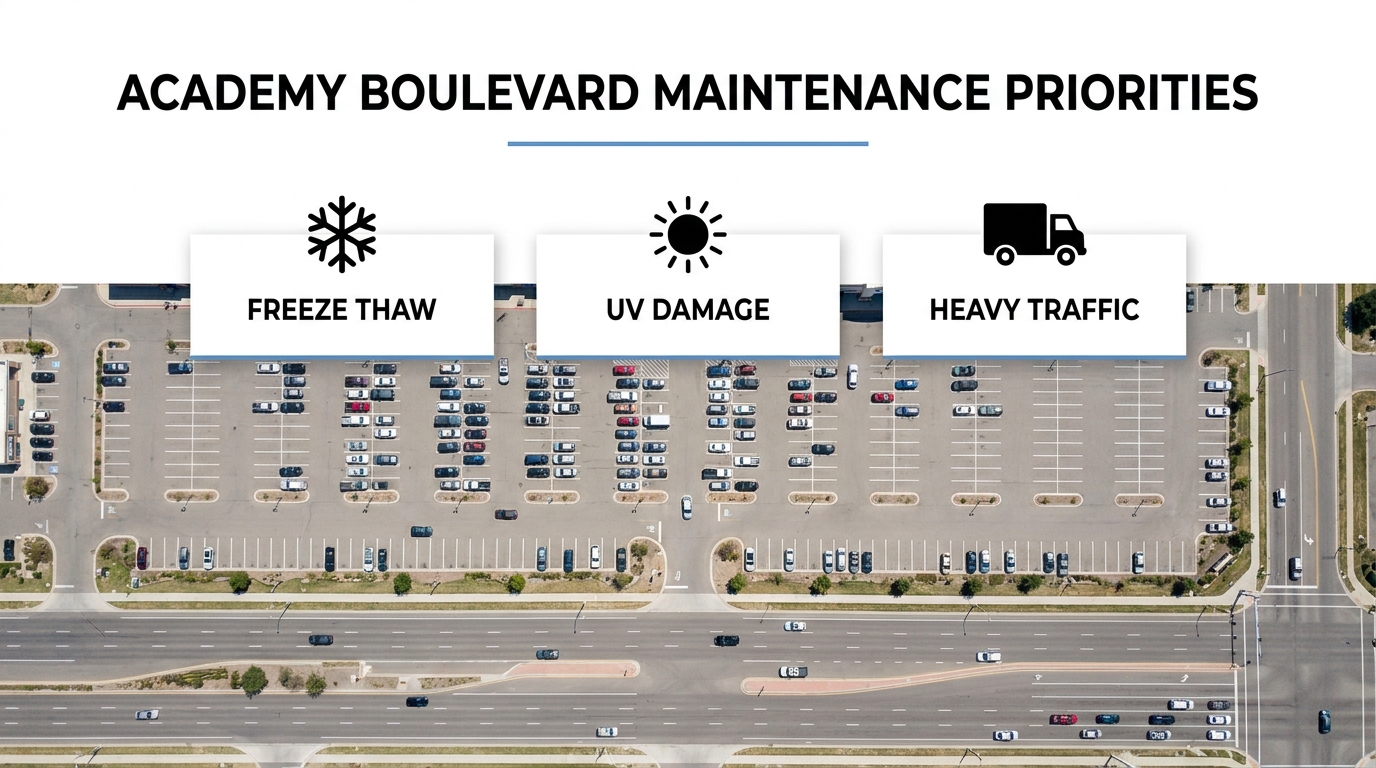
What Are the Asphalt Maintenance Priorities for High-Turnover Retail Centers Along Academy Boulevard?
June 23, 2026
Asphalt maintenance for high-turnover retail centers along Academy Boulevard is a structured program of preventive treatments, severity-based repairs, and long-term planning designed to protect pavement under Colorado Springs’ uniquely harsh conditions. This guide covers Academy Boulevard’s environmental and traffic stressors, common pavement distresses in retail lots, severity-based repair prioritization, seasonal scheduling, the revenue impact of
Read
What Are the Best Months to Schedule Commercial Paving in Colorado Springs?
June 25, 2026
The best months to schedule commercial paving in Colorado Springs are May through September, when sustained warm temperatures and stable ground conditions meet the strict thresholds required for proper asphalt compaction and curing. This guide covers Colorado Springs’ unique climate challenges, ideal temperature requirements for asphalt installation, the specific monthly paving windows, monsoon season scheduling,
Read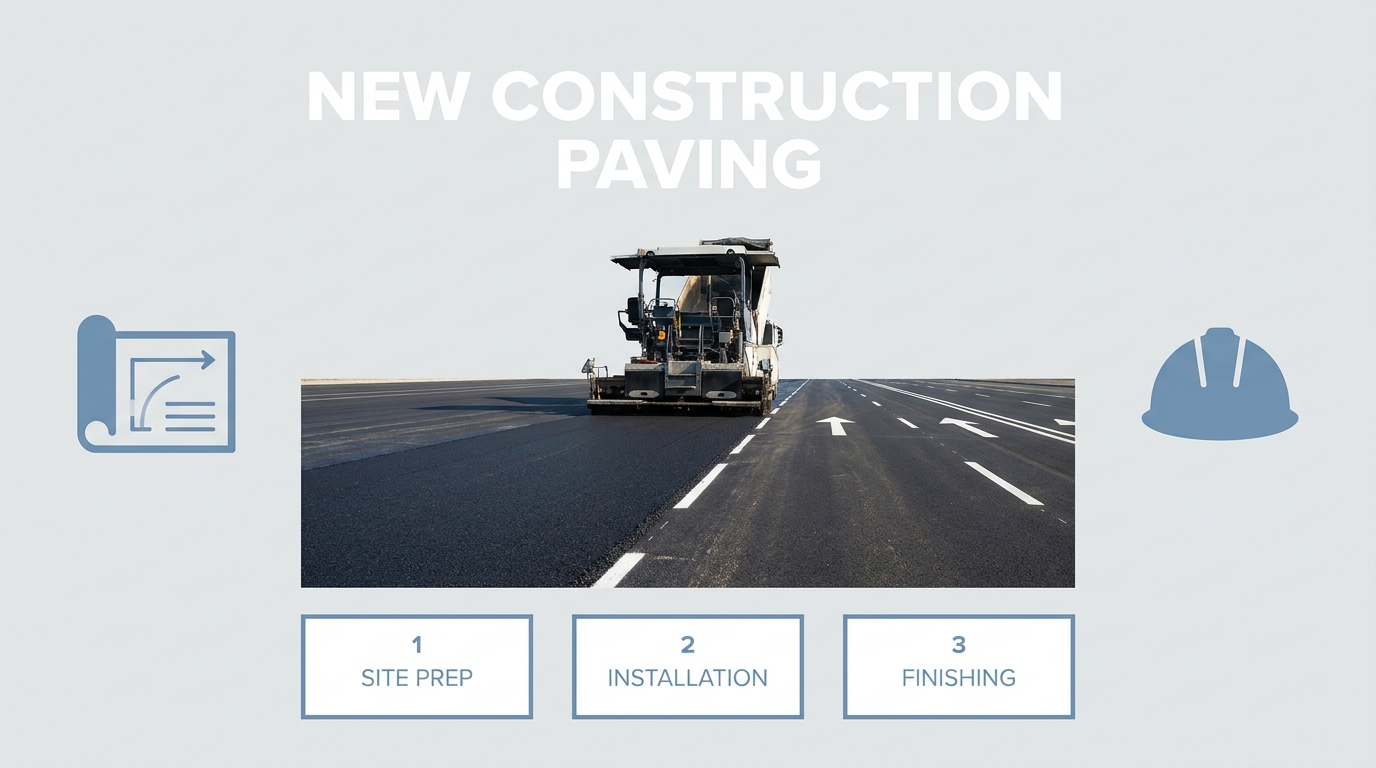
What Should You Expect During a New-Construction Paving Project in a Growing Colorado Springs Corridor?
June 25, 2026
A new-construction paving project in a growing Colorado Springs corridor is a multi-phase process that transforms raw land into a finished, code-compliant asphalt surface through sequential site preparation, engineered subbase work, hot-mix asphalt installation, and final striping. This guide covers site preparation and drainage infrastructure, project timelines and installation phases, freeze-thaw resilience and climate-adapted design,
Read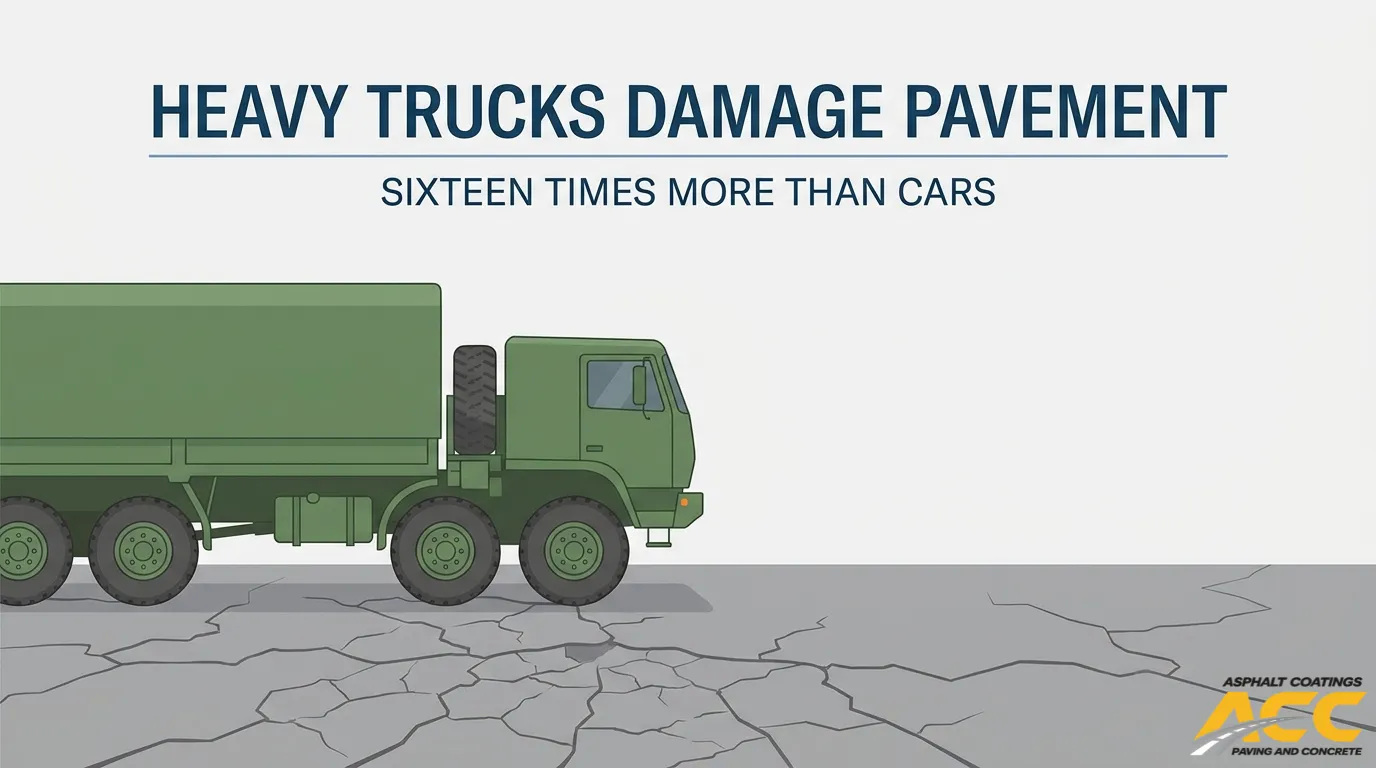
How Does Heavy Truck Traffic Near Fort Carson Shorten Pavement Life?
June 24, 2026
Heavy truck traffic near Fort Carson shortens pavement life by subjecting roads and parking lots to repeated military-grade loads that cause exponentially more damage than passenger vehicles. Pavement deterioration under these conditions follows a power-of-four relationship, meaning doubled vehicle weight produces roughly 16 times more structural harm. This guide covers Fort Carson’s traffic generation and
Read