
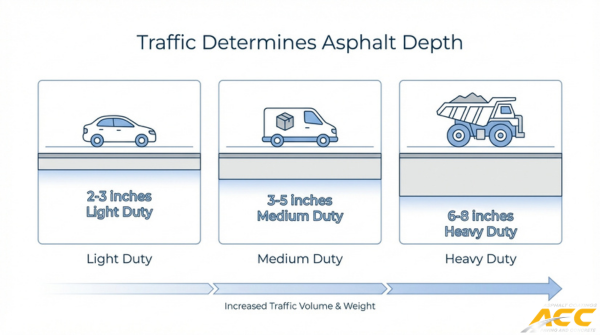
How Traffic Type Dictates Asphalt Thickness and Mix Design
April 6, 2026
Traffic type dictates asphalt thickness and mix design by determining the structural depth, binder grade, and aggregate properties a pavement needs to support its actual vehicle loads without premature failure. Every specification, from a 2-inch parking lot surface to an 8-inch industrial lane, traces back to the weight, frequency, and behavior of traffic on that
Read
How Do You Choose a Commercial Asphalt Contractor in Denver?
June 25, 2026
Choosing a commercial asphalt contractor in Denver is a structured vetting process that evaluates credentials, local experience, bid transparency, and reputation before signing any agreement. This guide covers Denver-specific climate and licensing demands, the credentials and experience a qualified contractor must demonstrate, essential vetting questions and reputation checks, bid evaluation and comparison methods, and red
Read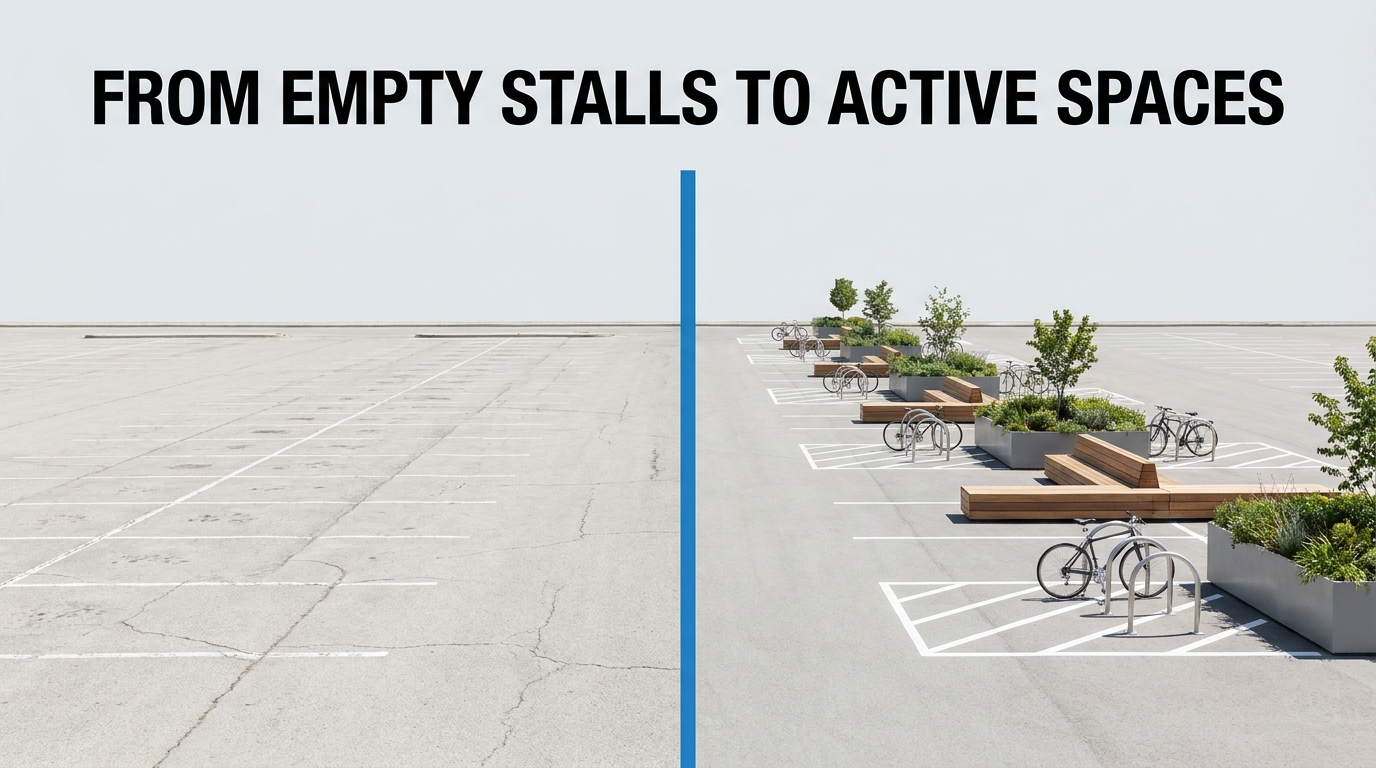
How Do You Repurpose and Restripe Excess Parking After Denver’s Parking-Minimum Repeal?
June 25, 2026
Repurposing and restriping excess parking after Denver’s parking-minimum repeal is the process of redesigning oversized lots to match actual demand, converting surplus stalls into higher-value uses, and updating all markings to meet current code. With Denver eliminating all minimum parking ratios citywide as of August 11, 2025, property managers now have the freedom to right-size
Read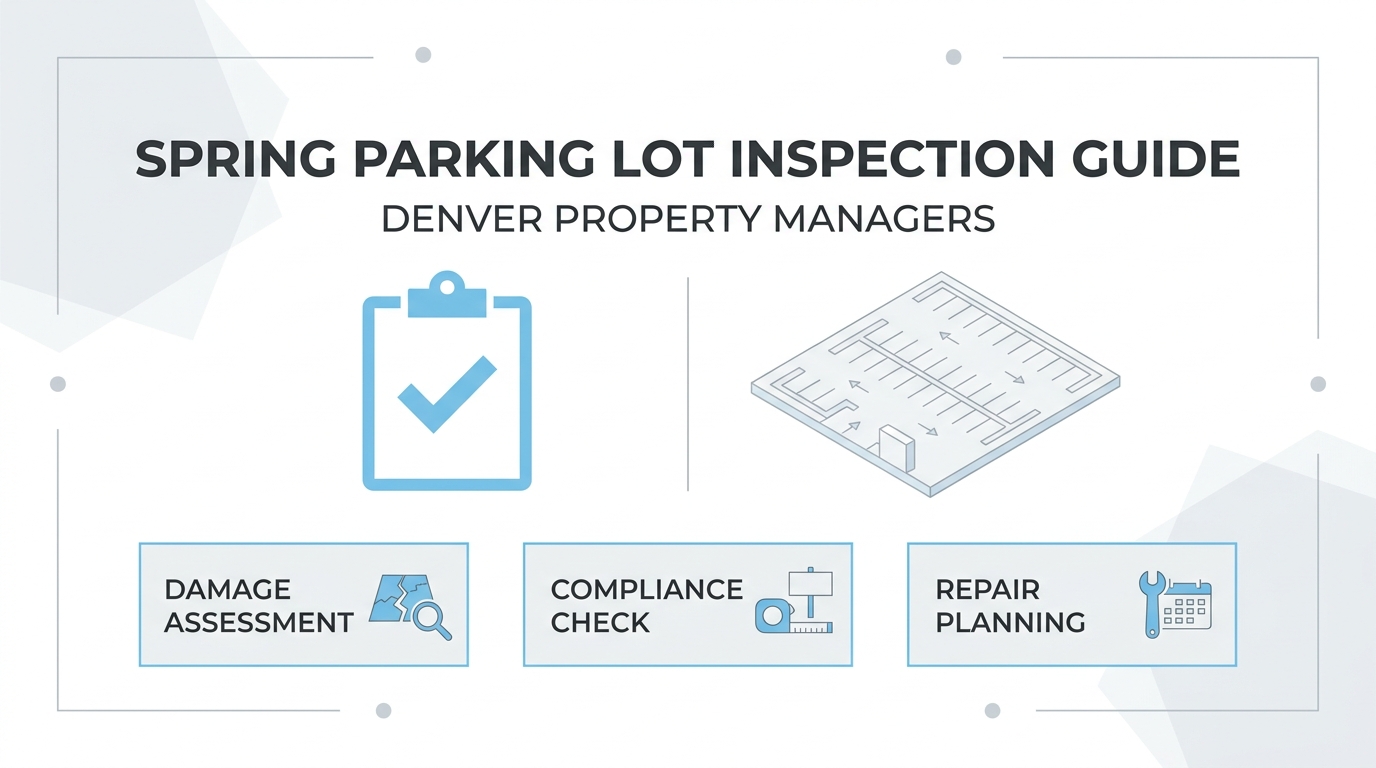
What Should a Spring Commercial Parking Lot Inspection Cover for Denver Property Managers?
June 25, 2026
A spring commercial parking lot inspection for Denver property managers is a systematic evaluation of pavement condition, drainage function, compliance markings, and safety hazards conducted after winter to identify damage before it compounds. This guide covers climate-driven damage assessment, asphalt surface distress identification, drainage and grading verification, striping and ADA compliance, concrete element evaluation, sealcoat
Read