
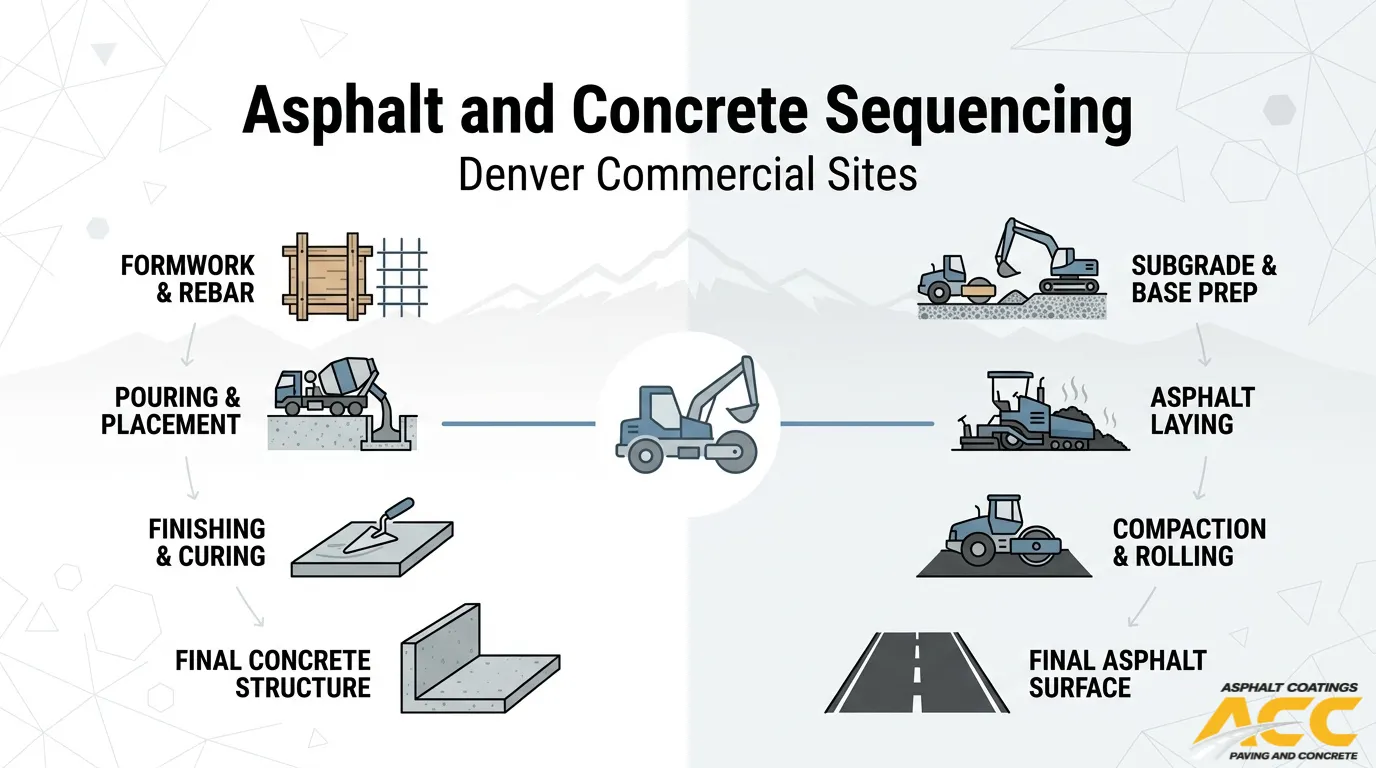
Denver Commercial Asphalt & Concrete Sequencing Guide
July 28, 2026
Sequencing asphalt and concrete work on a Denver commercial site with active tenants and ROW constraints is the process of ordering demolition, material placement, curing, and finishing activities so that each phase maintains safe tenant access, meets city permit requirements, and falls within viable temperature windows. Poor sequencing leads to rework, weather-driven cost premiums, and
Read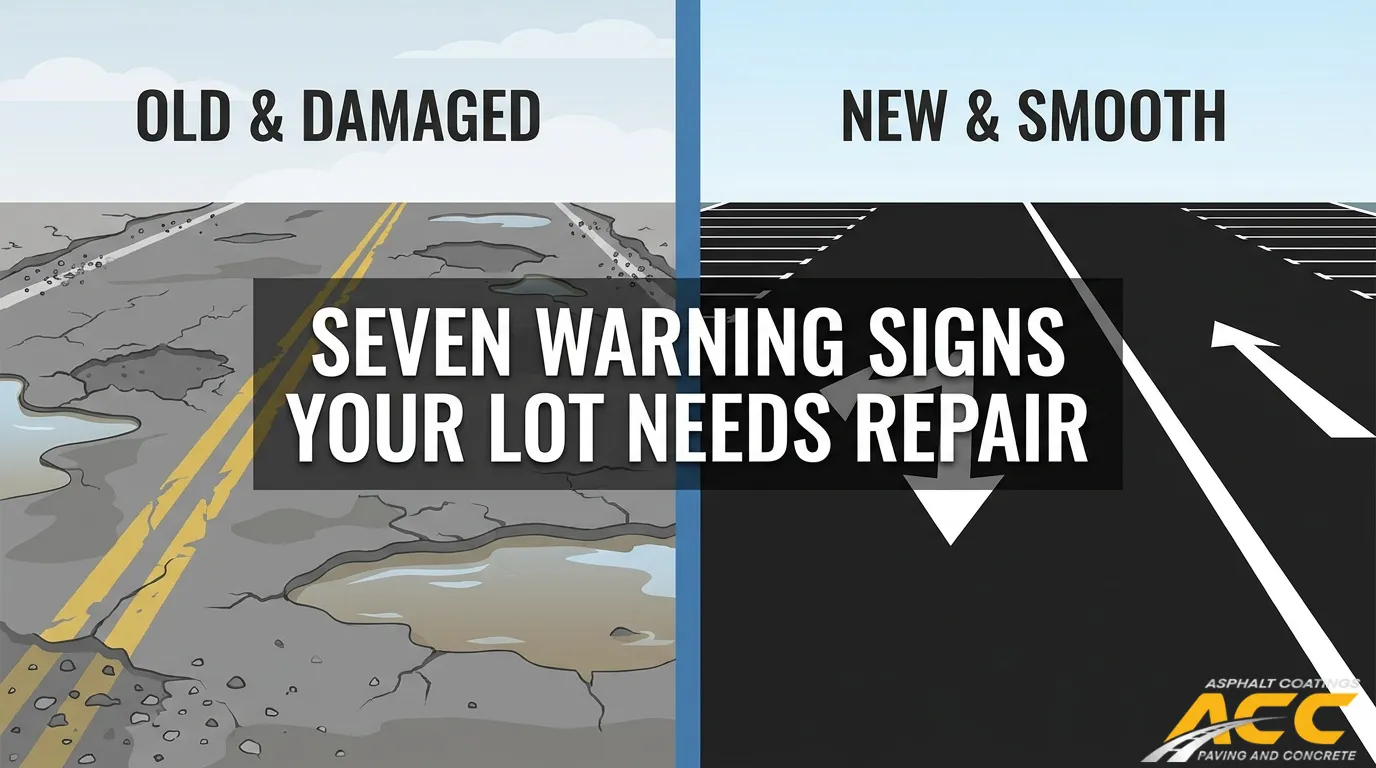
7 Signs Your Fort Collins Commercial Parking Lot Needs Repairs?
July 30, 2026
A commercial parking lot showing cracks, potholes, or fading surfaces is a property actively losing value, safety, and customer trust. Catching these warning signs early is the difference between affordable maintenance and six-figure reconstruction. This guide covers structural cracking and pothole formation, drainage and standing water failures, surface deterioration and marking wear, concrete infrastructure damage,
Read
What Do Fort Collins Businesses Need To Know About Commercial Asphalt?
July 30, 2026
Commercial asphalt in Fort Collins is a climate-sensitive investment that demands careful planning, proper materials, and consistent maintenance to perform under northern Colorado’s harsh conditions. This guide covers climate impacts on pavement performance, parking lot design and material selection, inspection and maintenance strategy, budgeting and safety compliance, ADA requirements, and contractor evaluation. Fort Collins’ combination
Read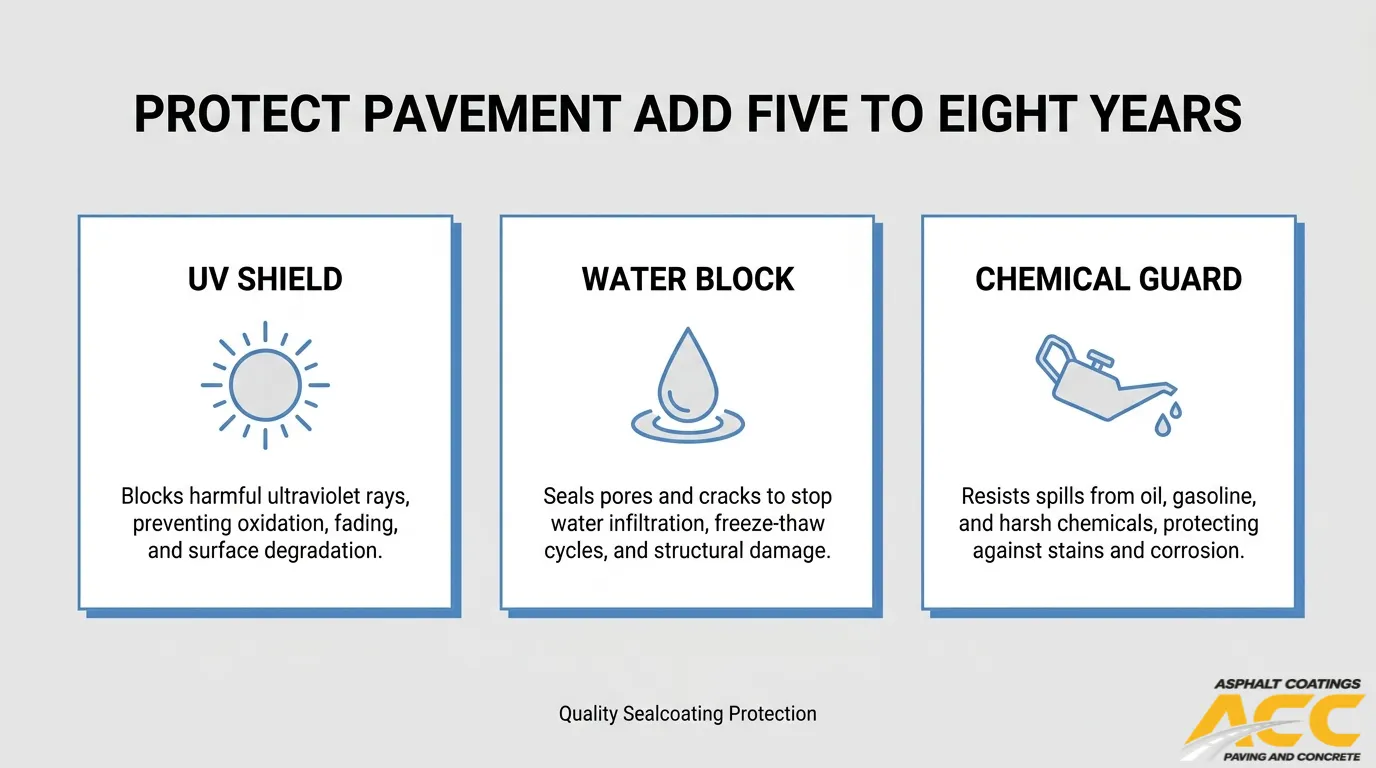
How Does Quality Sealcoating in Fort Collins Extend Pavement Life?
July 30, 2026
Quality sealcoating in Fort Collins is a preventive asphalt treatment that shields pavement from UV radiation, water infiltration, and chemical damage, adding five to eight years of service life to protected surfaces. This guide covers Fort Collins climate challenges and their effect on asphalt, sealcoating protection mechanisms and scheduling, surface preparation and material selection, long-term
Read