
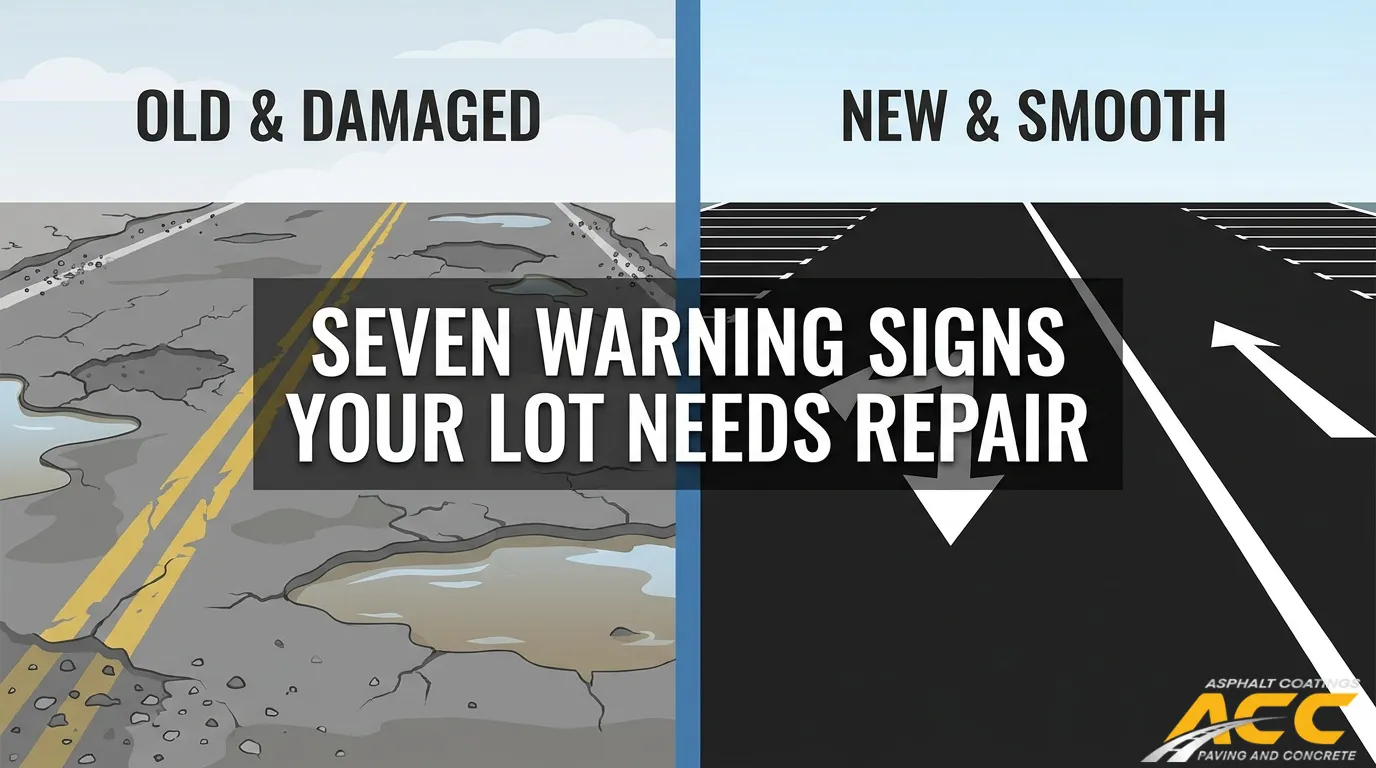
7 Signs Your Fort Collins Commercial Parking Lot Needs Repairs?
July 30, 2026
A commercial parking lot showing cracks, potholes, or fading surfaces is a property actively losing value, safety, and customer trust. Catching these warning signs early is the difference between affordable maintenance and six-figure reconstruction. This guide covers structural cracking and pothole formation, drainage and standing water failures, surface deterioration and marking wear, concrete infrastructure damage,
Read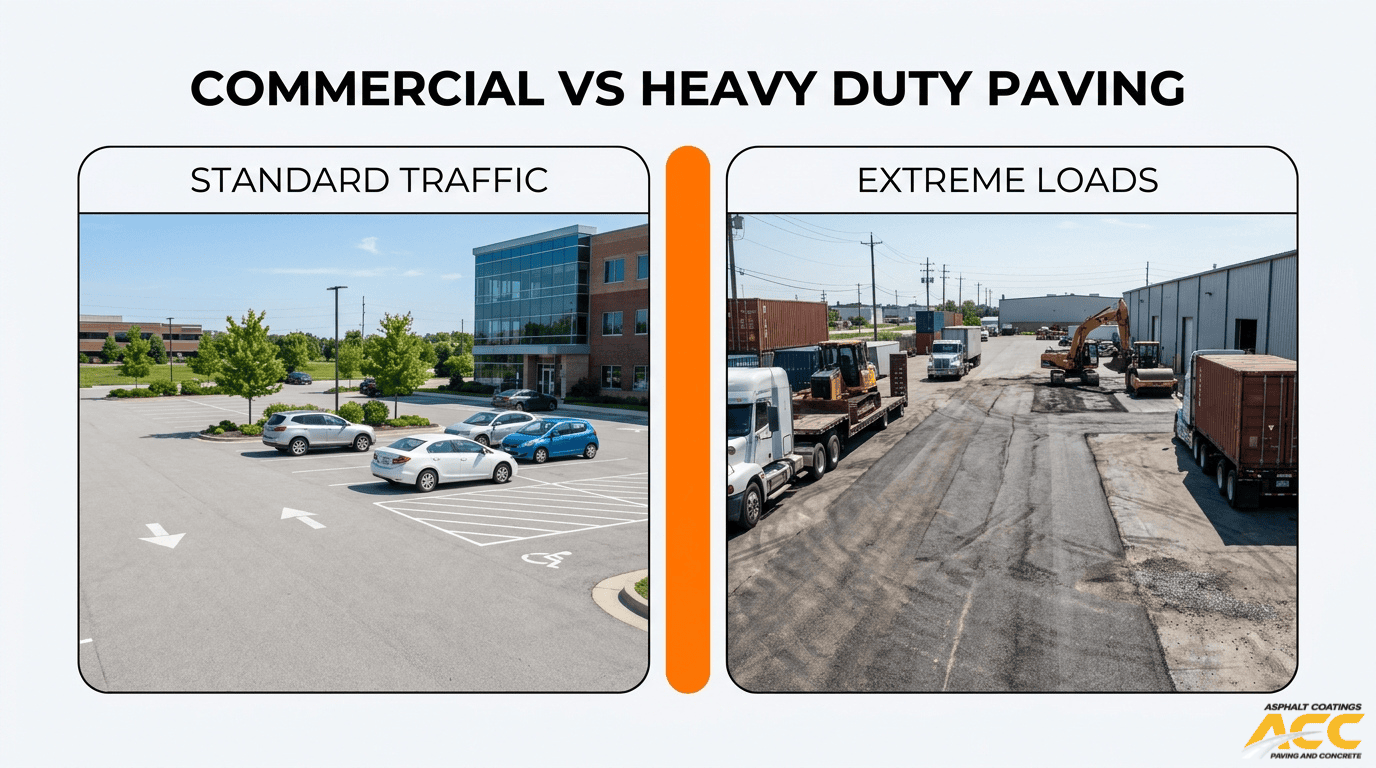
Commercial vs. Heavy Duty Asphalt Paving Guide
May 28, 2026
Commercial asphalt paving is pavement engineered for business properties with light to moderate vehicle traffic, while heavy duty asphalt paving is pavement designed to resist extreme wheel loads exceeding 7,000 lbs. per tire, contact pressures above 140 psi, and cumulative truck volumes surpassing 50 million passes. This guide covers property types and traffic thresholds for
Read
Role of a Commercial Paving Company: Importance & Services
May 27, 2026
A commercial paving company is a specialized contractor that builds, maintains, and repairs asphalt and concrete surfaces for businesses, institutions, and multi-tenant properties. We created this guide to cover property value protection and liability reduction, core paving services, property types served, contractor selection criteria, and climate-driven maintenance planning. Professionally maintained pavement preserves long-term asset value
Read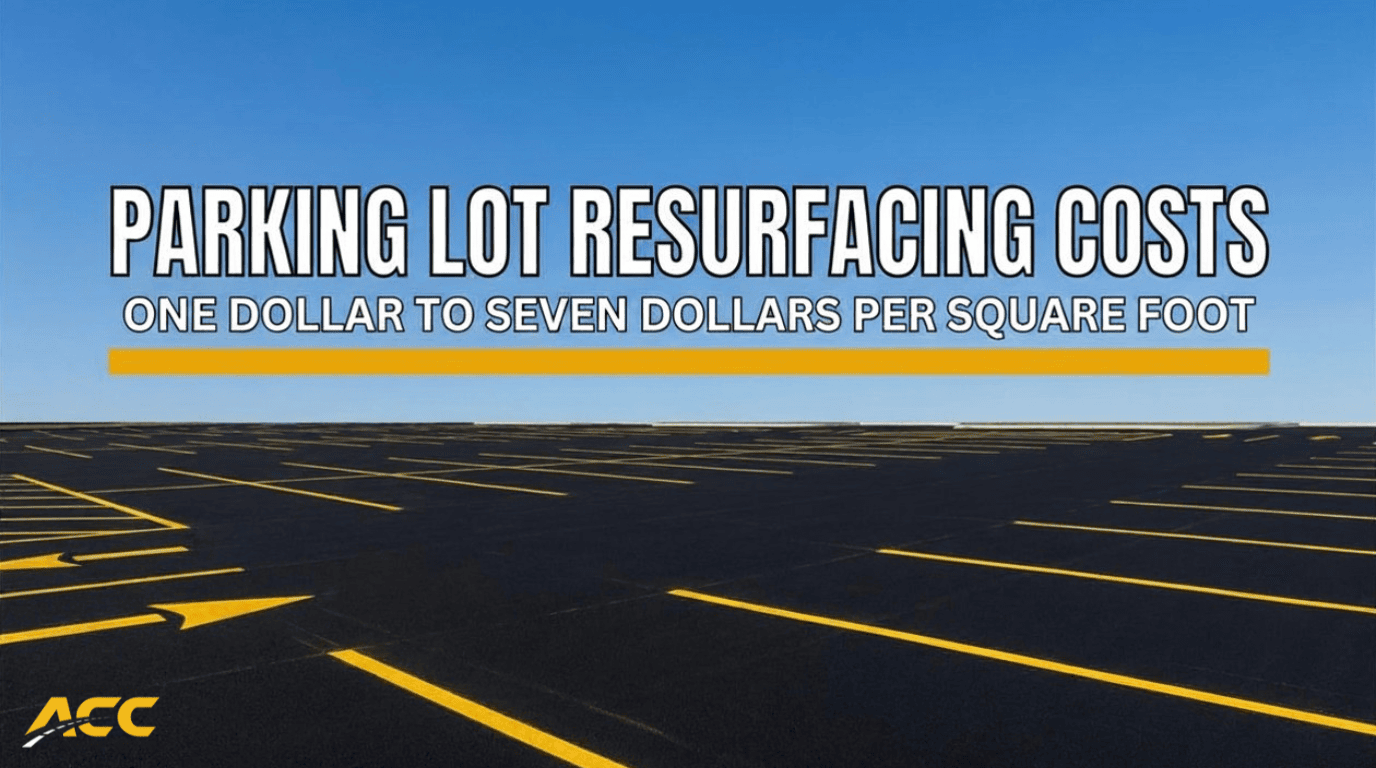
Parking Lot Resurfacing: Cost Guide & Free Quotes
May 27, 2026
Parking lot resurfacing is the process of milling a deteriorated asphalt surface and applying a new overlay over a structurally sound base, typically costing between $1 and $7 per square foot depending on project size and conditions. This guide covers per-square-foot pricing by lot size, the factors that shift total project cost, what a complete
Read