
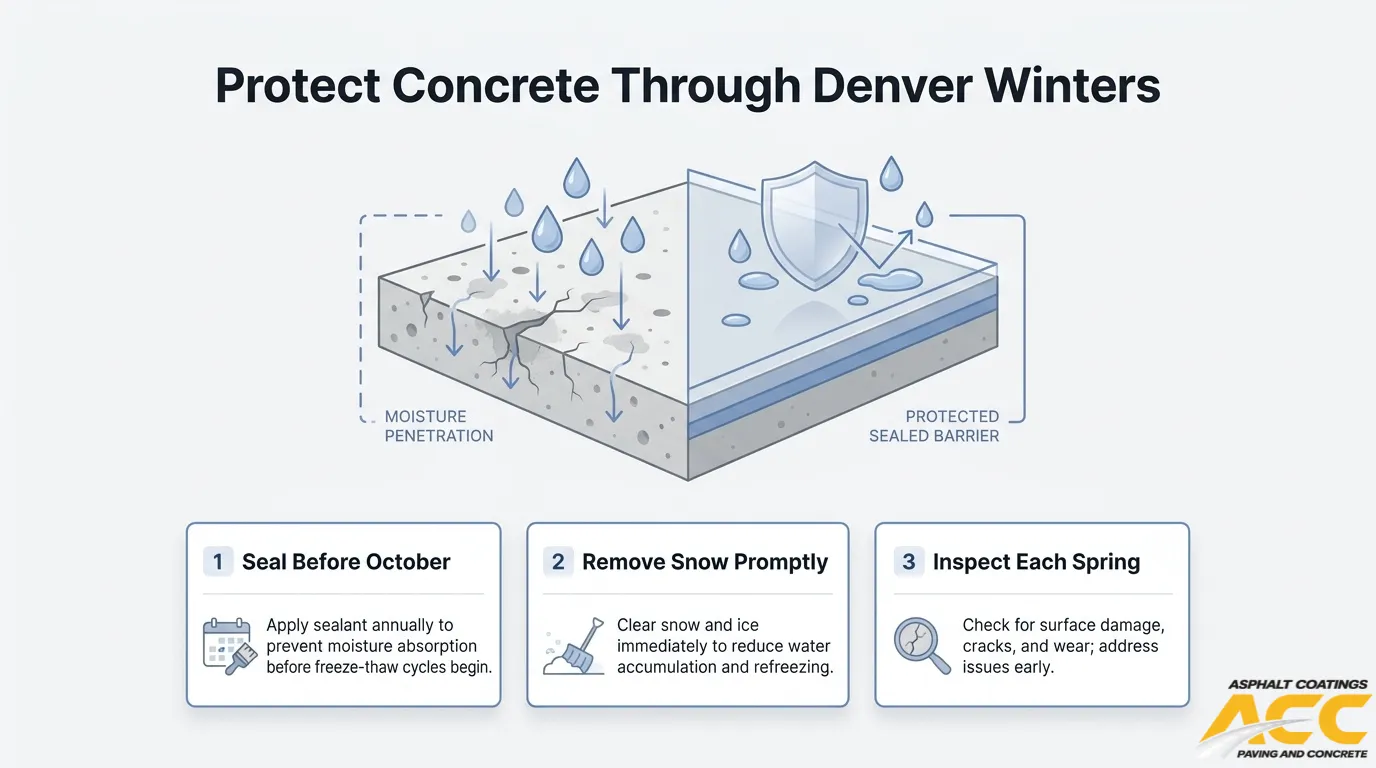
What Are the Top Concrete Care Tips for Denver Winters?
July 28, 2026
Concrete care for Denver winters is the process of inspecting, sealing, repairing, and maintaining concrete surfaces to withstand the city’s prolonged freeze-thaw season and heavy snowfall. Proactive winter care prevents moisture damage, reduces slip-and-fall liability, and extends the functional lifespan of commercial flatwork. This guide covers Denver’s unique climate pressures on concrete, pre-winter surface preparation,
Read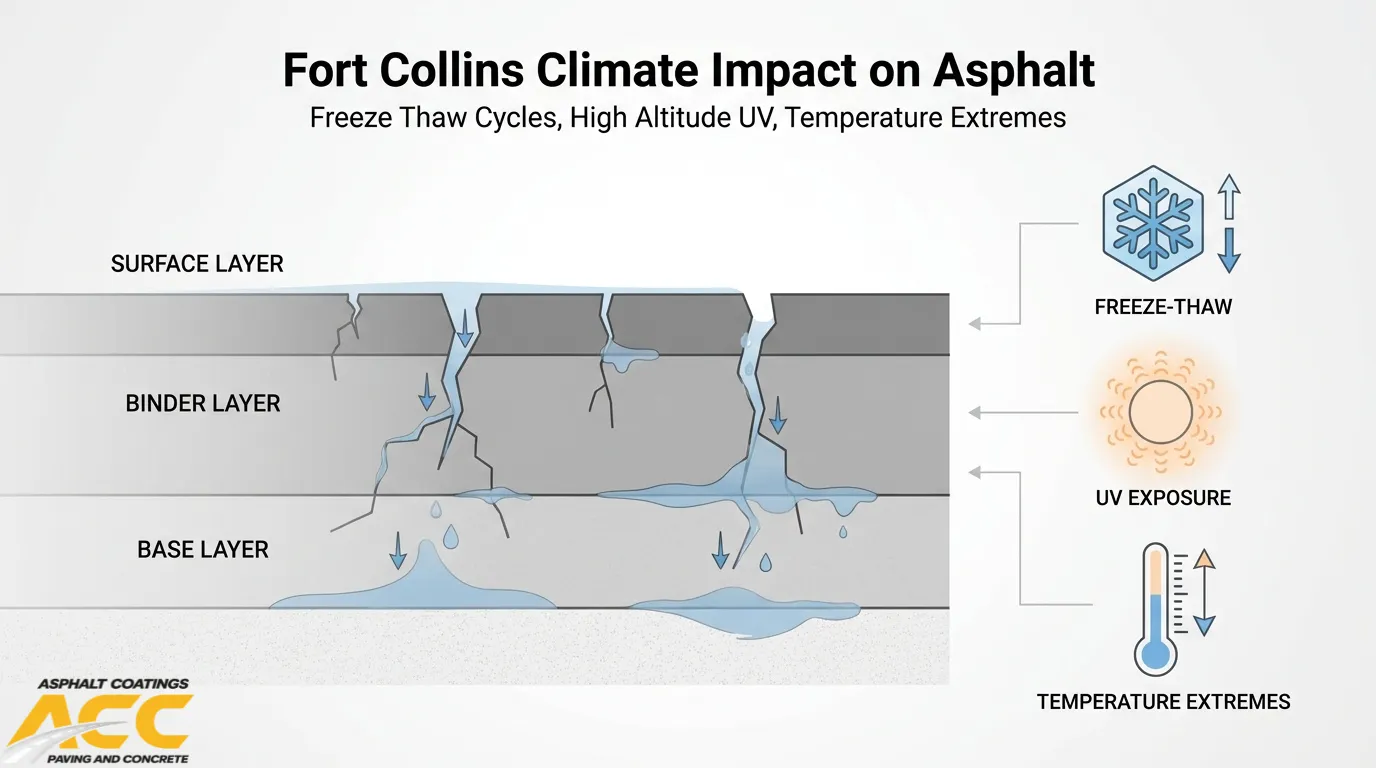
How Fort Collins Weather Impacts Asphalt and What to Do About It
July 31, 2026
Fort Collins weather impacts asphalt through a combination of freeze-thaw cycling, extreme seasonal temperatures, moisture infiltration, and high-altitude UV radiation that compound each other to accelerate pavement deterioration far faster than in lower-elevation or milder climates. This guide covers Fort Collins’ unique climate stressors and how they damage pavement, the specific distress signs property managers
Read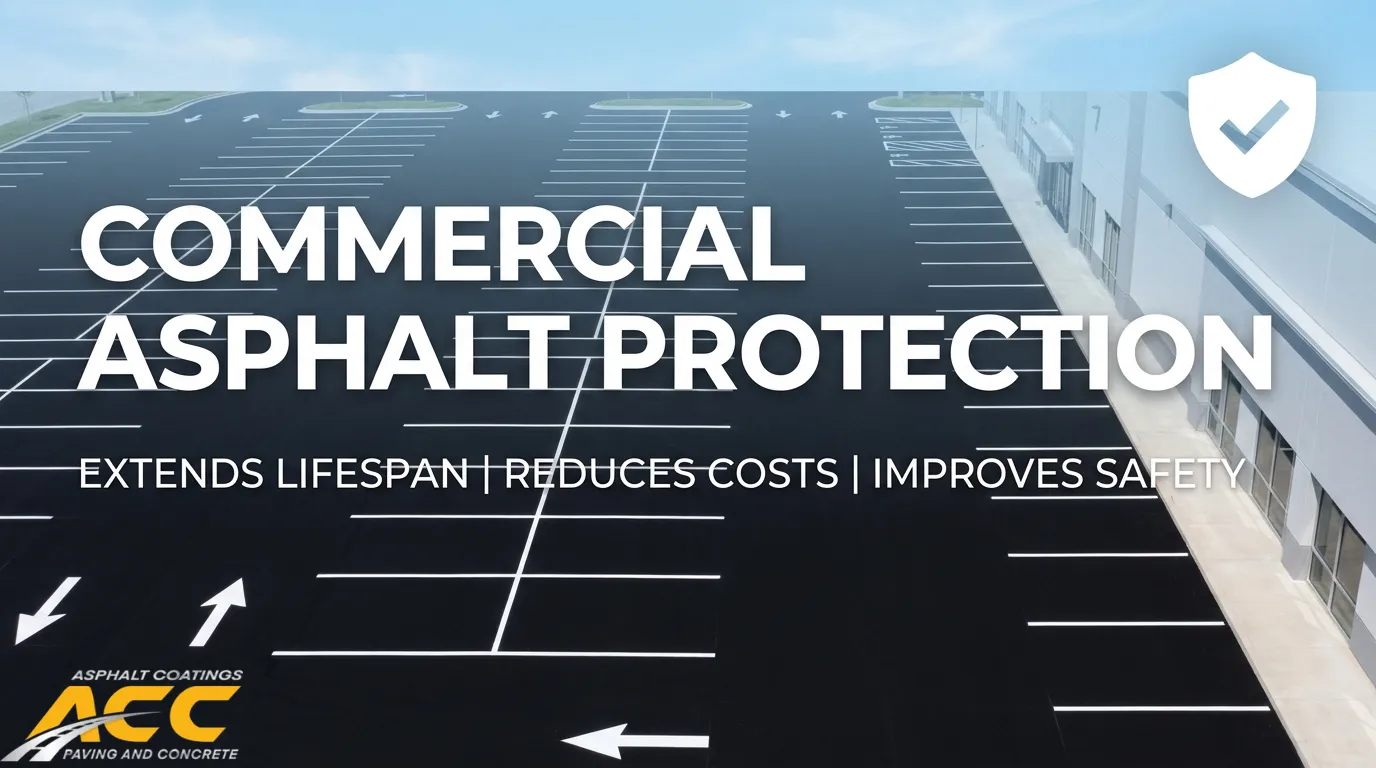
What Are the Major Benefits of Sealcoating Commercial Asphalt in Fort Collins, CO?
July 31, 2026
Sealcoating is a preventive asphalt treatment that applies a protective barrier over commercial pavement to shield it from UV radiation, moisture, chemical exposure, and daily traffic wear. This guide covers pavement protection and lifespan extension, long-term cost savings, safety and compliance, curb appeal and traffic flow, scheduling and cost factors, project preparation, and choosing the
Read
What Should Property Managers Know About Fort Collins Commercial Asphalt Repair?
July 30, 2026
Fort Collins commercial asphalt repair is the process of restoring and maintaining paved surfaces on commercial properties to protect structural integrity, ensure safety, and extend pavement life under Colorado’s demanding climate conditions. This guide covers common asphalt failure modes, repair and replacement decision-making, available repair methods, protective treatments like crack sealing and sealcoating, cost and
Read