
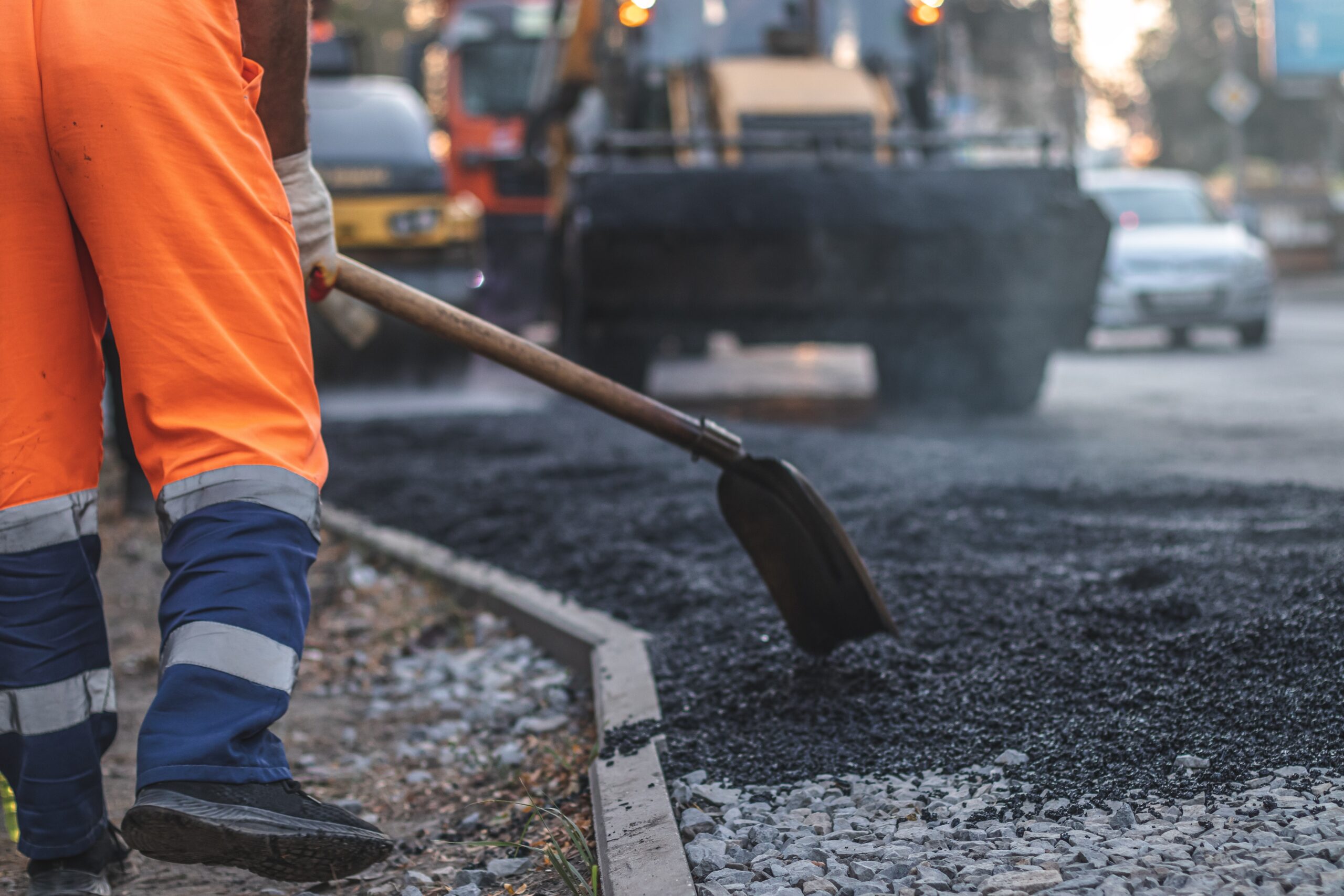
Eco-Friendly Asphalt Solutions for Sustainable Denver Projects
November 19, 2025
As Denver grows rapidly, sustainability has become a top priority in every construction project, including road and pavement design. Eco-friendly asphalt solutions help reduce carbon emissions, conserve energy, and minimize waste without compromising quality or performance. For example, a survey by the National Asphalt Pavement Association (NAPA) found that reclaiming approximately 97 million tons of
Read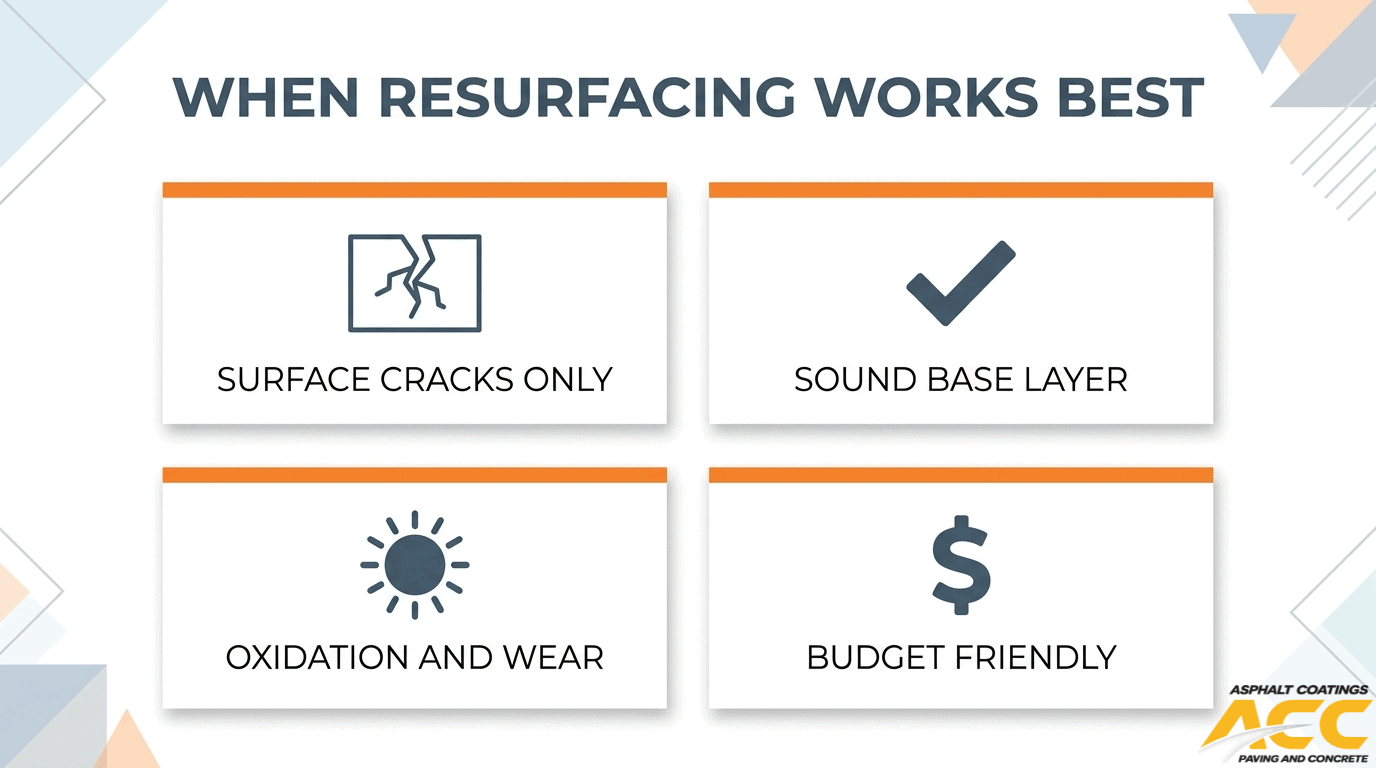
Asphalt Removal vs. Resurfacing: Which Is Better?
May 28, 2026
Asphalt removal is the complete extraction and reconstruction of a pavement surface from the subgrade up, while resurfacing applies a new asphalt layer over an existing base that remains structurally sound. The right choice depends entirely on what is happening beneath the surface. This guide covers the core differences between each method, the conditions that
Read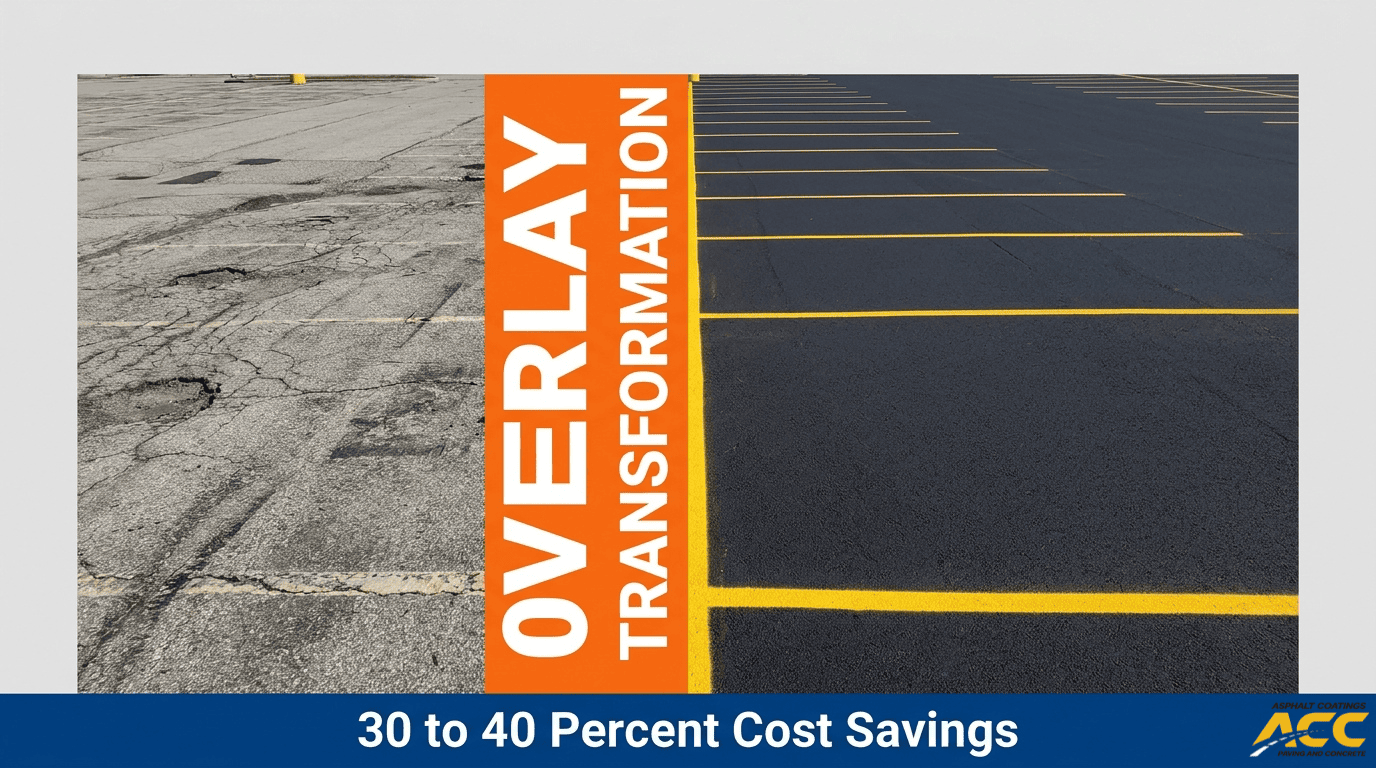
Benefits of Commercial Asphalt Overlay: Is It Worth It?
May 28, 2026
A commercial asphalt overlay is a new layer of asphalt placed directly over existing pavement to restore surface integrity without removing the original structure. This rehabilitation method preserves the underlying base, reduces project scope, and delivers measurable cost and performance advantages for commercial properties. This guide covers overlay fundamentals and eligibility requirements, cost comparisons across
Read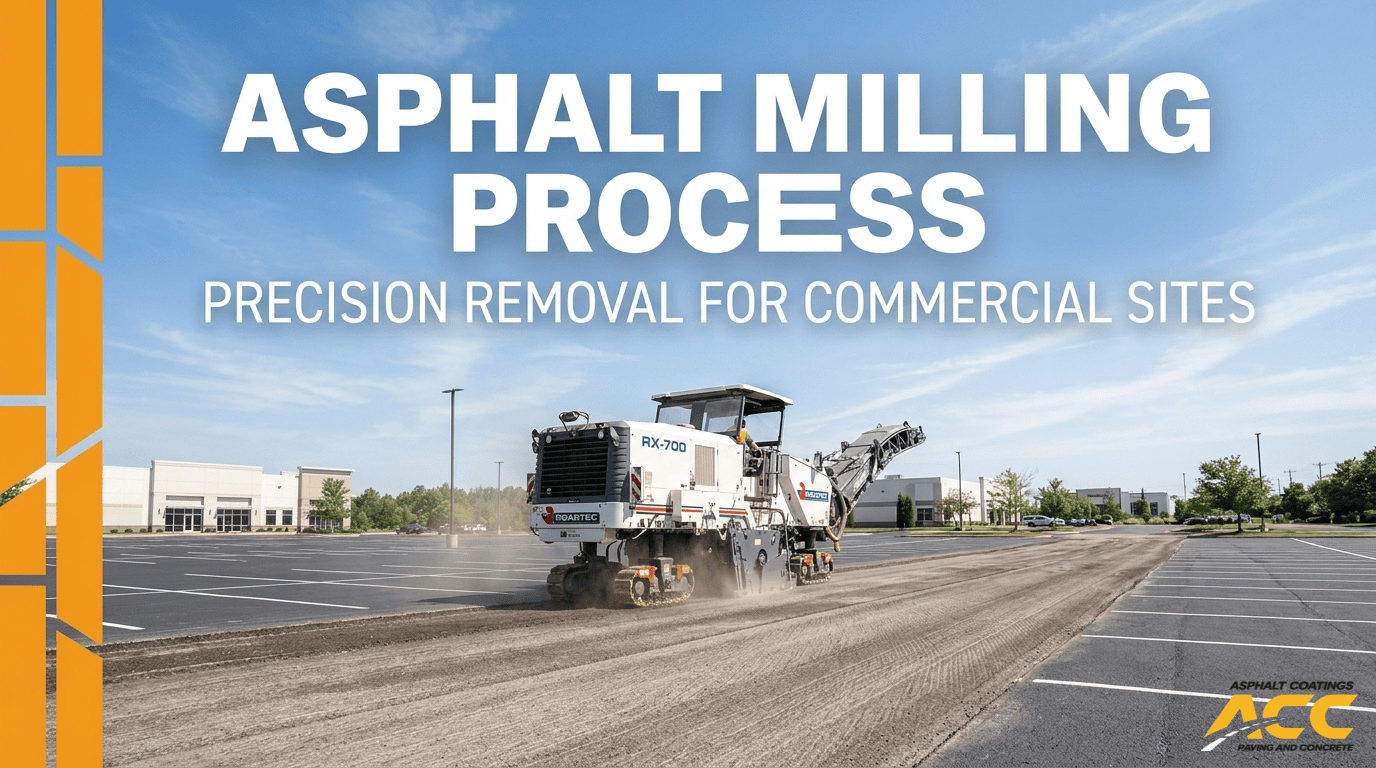
Asphalt Milling Process Steps & Guide for Commercial Sites
May 28, 2026
Asphalt milling is the controlled removal of an existing pavement surface to a specified depth using cold planing equipment, restoring commercial properties to proper grade without full reconstruction. This guide covers milling fundamentals and equipment, the step-by-step milling process, depth selection and site preparation, material recycling and environmental impact, and scheduling, cost, and climate considerations.
Read