

How Milling & Paving Improves Parking Lot Safety
April 10, 2025
A well-maintained parking lot is critical for safety, accessibility, and liability prevention. Over time, asphalt deteriorates due to heavy traffic loads, extreme weather, and oxidation, leading to cracks, potholes, and uneven surfaces. These hazards not only compromise vehicle performance but also increase the risk of pedestrian injuries and costly legal claims. Milling and paving provide
Read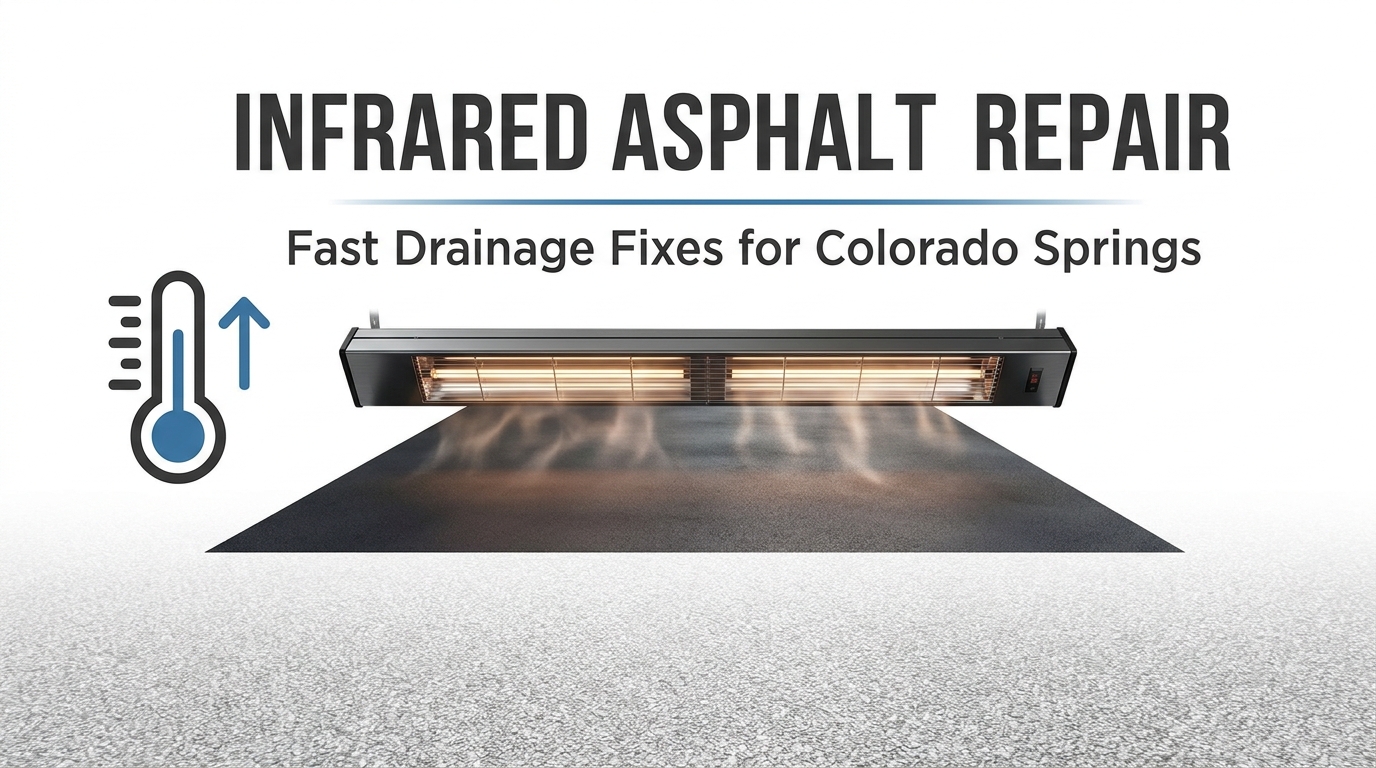
Infrared Asphalt Repair: A Faster Fix for Colorado Springs Low Spots & Ponding
June 23, 2026
Infrared asphalt repair is a heat-based pavement correction method that softens existing asphalt so crews can regrade low spots, eliminate ponding, and restore proper drainage without full removal. It is one of the most efficient tools available for commercial property managers in Colorado Springs. This guide covers how the infrared process works, why low spots
Read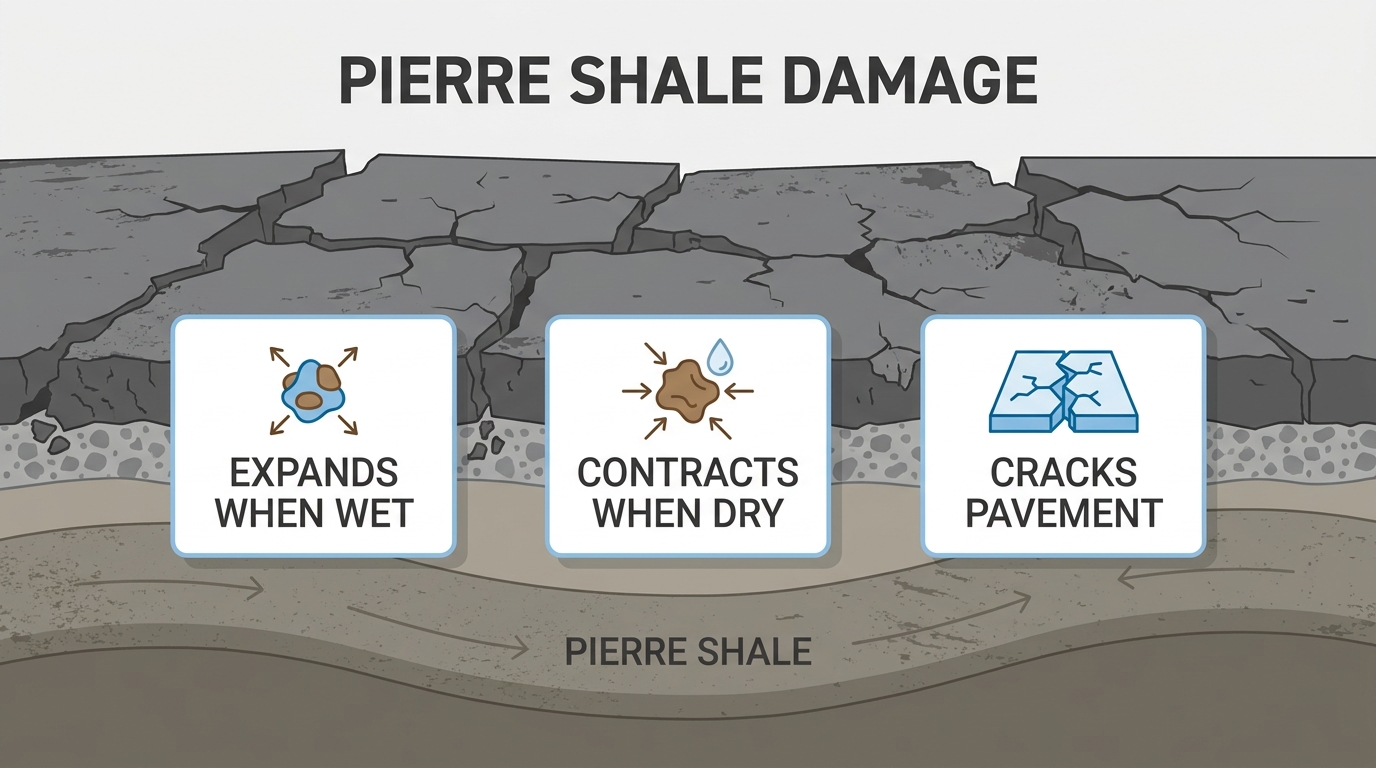
Why Do Expansive Pierre Shale Soils Crack Denver Commercial Pavements?
June 23, 2026
Pierre Shale is a Late Cretaceous marine shale formation rich in smectite and montmorillonite clay minerals that swell when wet and shrink when dry, generating a relentless swell-shrink cycle beneath Denver commercial pavements. This cycle is the primary reason parking lots, loading areas, and access roads across the metro area develop cracking, heaving, and settlement
Read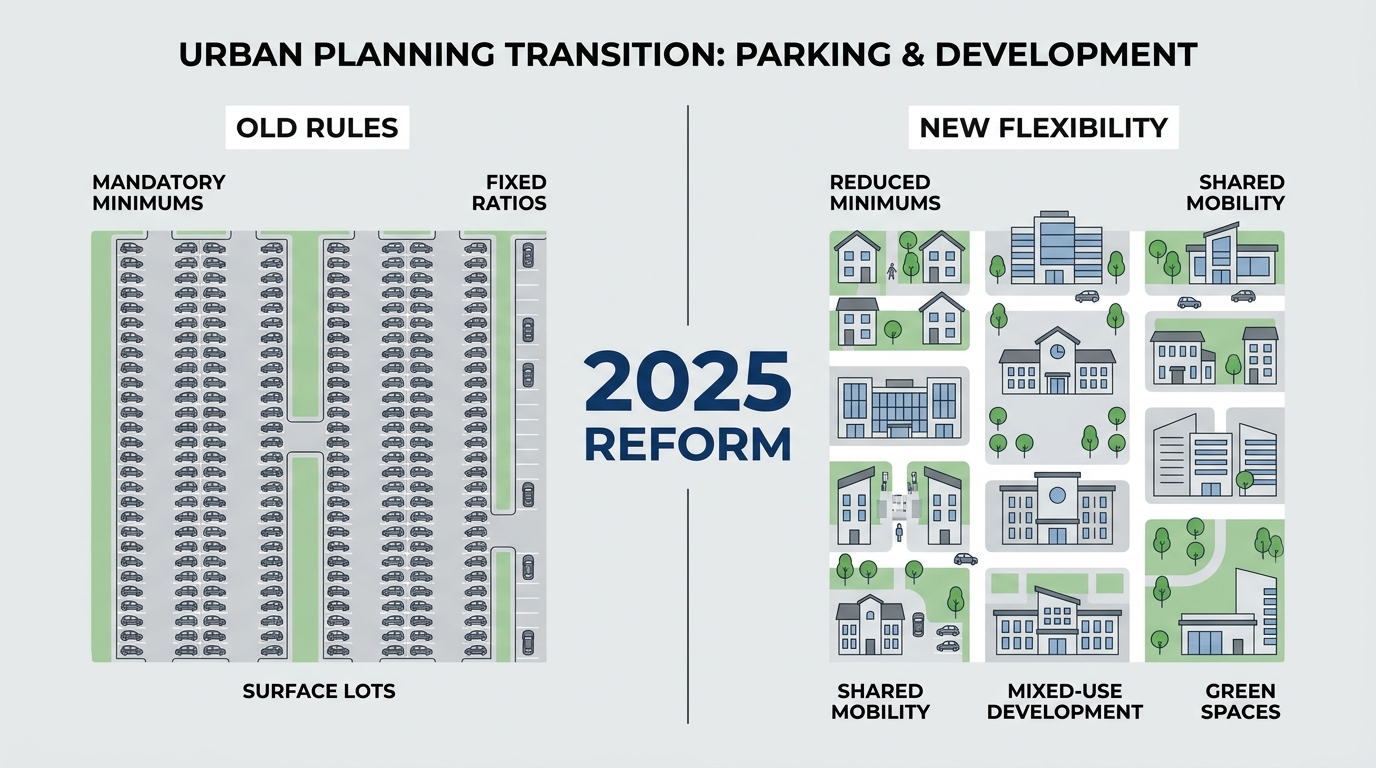
What Does Denver’s 2025 Elimination of Parking Minimums Mean for Commercial Property Owners?
June 23, 2026
Denver’s elimination of parking minimums is a citywide zoning reform that removes all mandatory parking space ratios for new developments, giving commercial property owners full control over how much parking to build or retain. This guide covers the policy’s origins and mechanics, its impact on existing commercial properties, new development and monetization opportunities, right-sizing parking
Read