
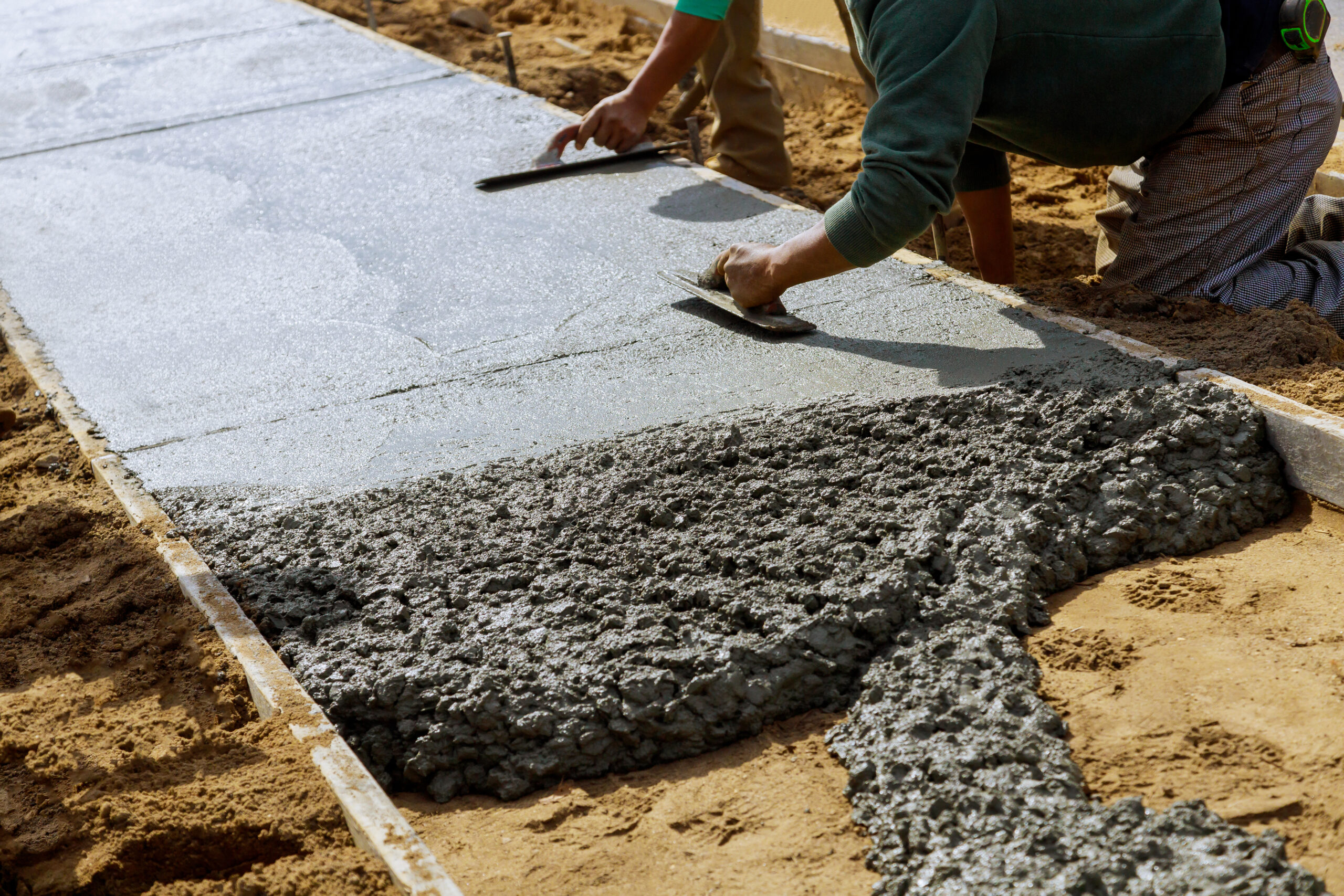
Permits and Local Codes You Need Before Replacing a Sidewalk
September 7, 2025
Replacing a sidewalk is not just a matter of pouring concrete and smoothing it over. In nearly every U.S. city, sidewalks are considered part of the public right-of-way, which means property owners must comply with local laws and permitting requirements before starting construction. These rules exist to maintain uniformity, ensure public safety, and guarantee accessibility
Read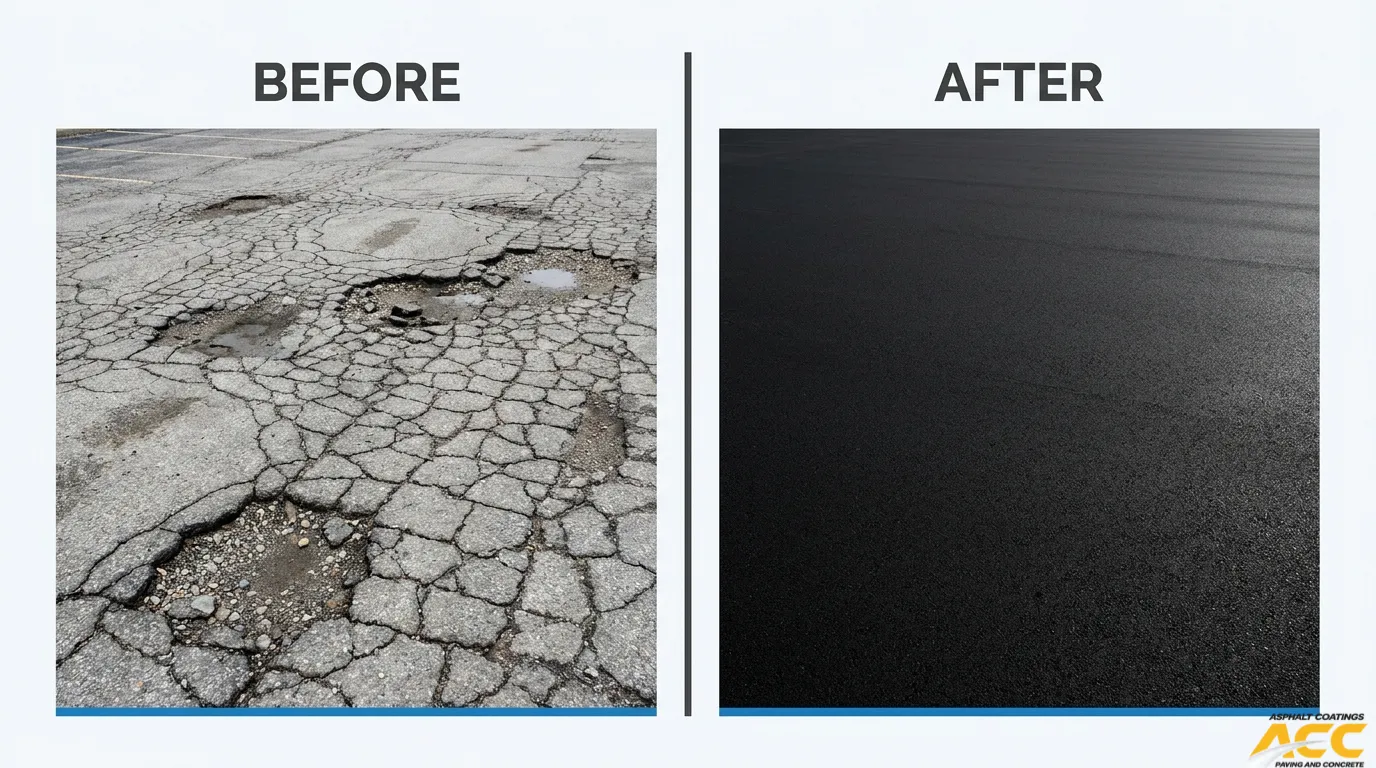
How Can You Tell When an Aging Denver Industrial Lot Is Ready for Mill-and-Pave?
July 28, 2026
Mill-and-pave is a pavement rehabilitation method that removes deteriorated asphalt surface layers through milling, then replaces them with fresh hot-mix asphalt to restore structural integrity, proper drainage grades, and a smooth driving surface. This guide covers visible surface distress patterns, subsurface and structural failures, climate-driven deterioration unique to Denver, maintenance threshold indicators, age and traffic
Read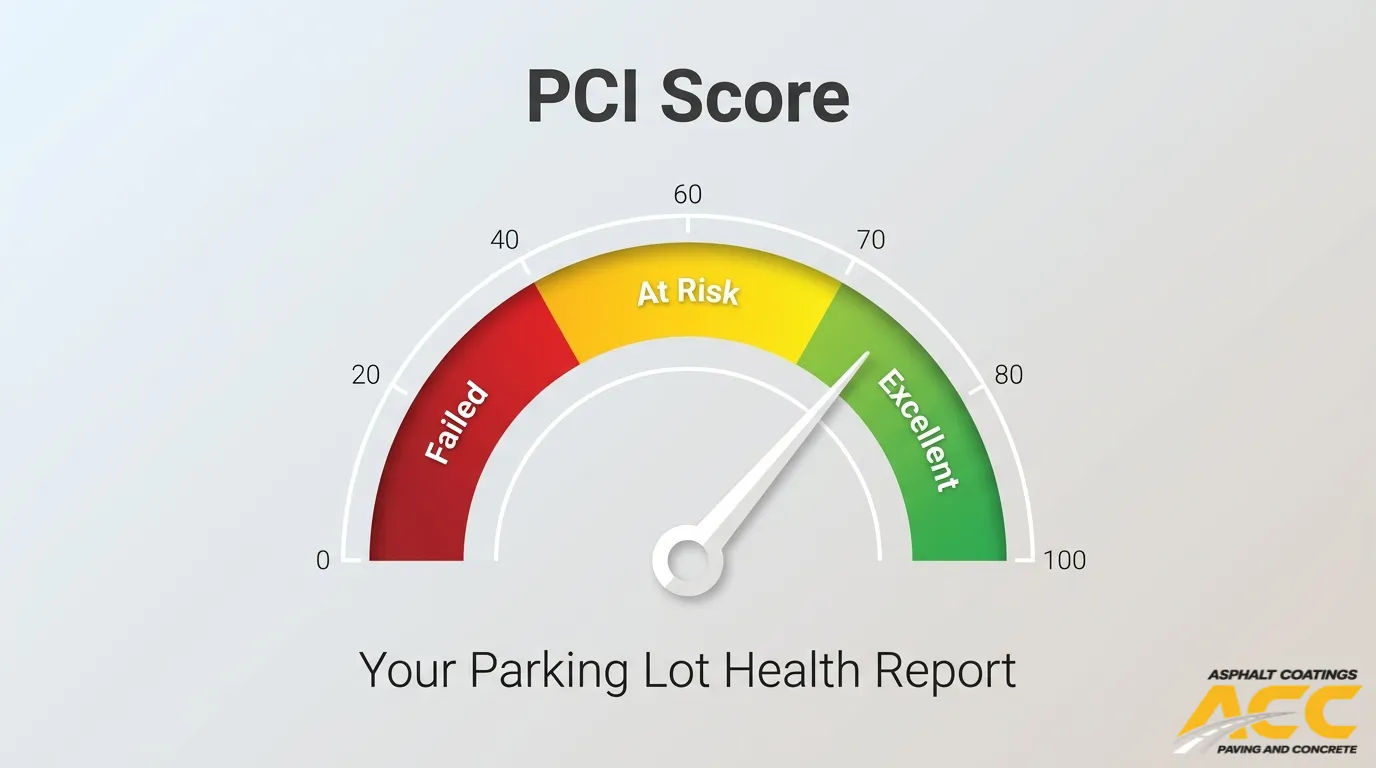
What Does Your Parking Lot’s PCI Score Reveal About Its Remaining Life?
July 27, 2026
A PCI score is a numerical index between 0 and 100 that quantifies the general condition of a pavement section based on standardized visual distress surveys. Property managers use this rating to determine how much functional life a parking lot has left and what maintenance or repairs will protect that investment most effectively. This guide
Read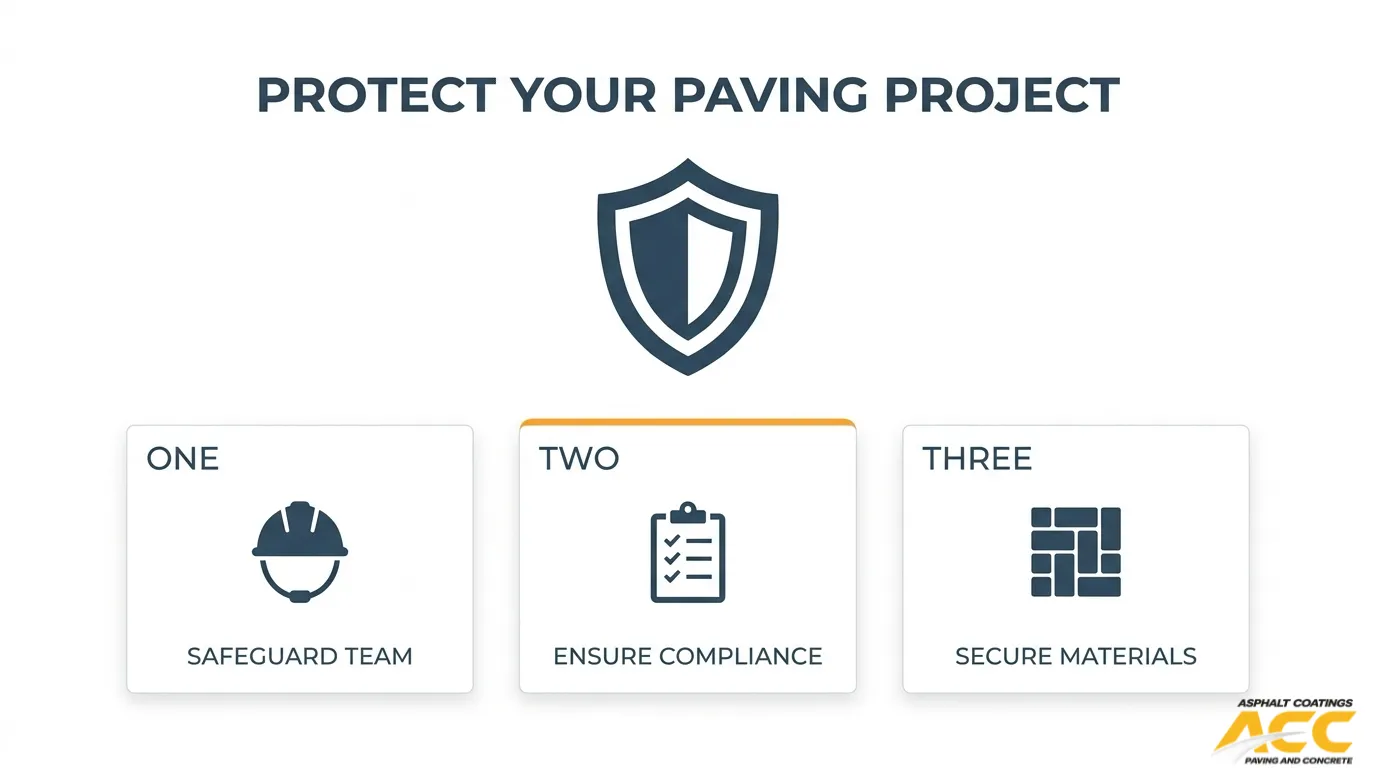
Why Is Contractor Insurance Important for Paving Projects?
July 24, 2026
Contractor insurance for paving is a collection of specialized commercial policies that protect paving businesses, property owners, and the public from financial losses caused by jobsite accidents, property damage, environmental contamination, and professional errors. These policies function as a financial safeguard for every party involved in asphalt and concrete projects. This guide covers policy types
Read