

How Long to Wait Before Driving on New Asphalt
April 17, 2026
When you’ve just invested in new asphalt paving, we understand the anticipation of using your freshly paved surface. You’re likely wondering exactly when it’s safe to drive on your new investment without causing damage. We’re here to provide you with expert guidance based on the latest industry standards and research, ensuring your new asphalt surface
Read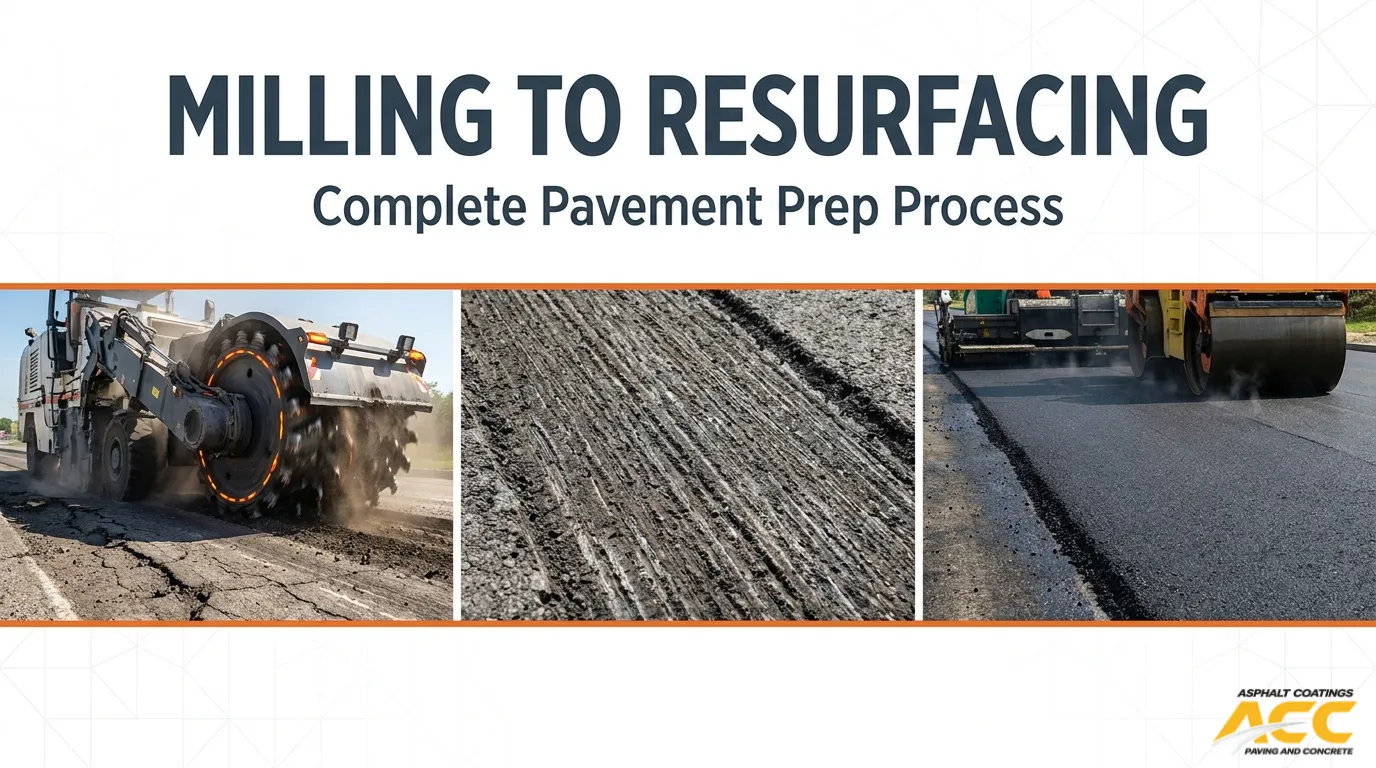
What Does an Asphalt Milling Contractor Do for Resurfacing and Prep?
July 22, 2026
An asphalt milling contractor is a specialized paving professional who uses cold milling machines to grind and remove deteriorated pavement to a precise depth, preparing the surface for a new asphalt overlay. This mechanical removal process restores proper grades, creates a textured bonding surface, and preserves existing drainage infrastructure. We cover why milling is a
Read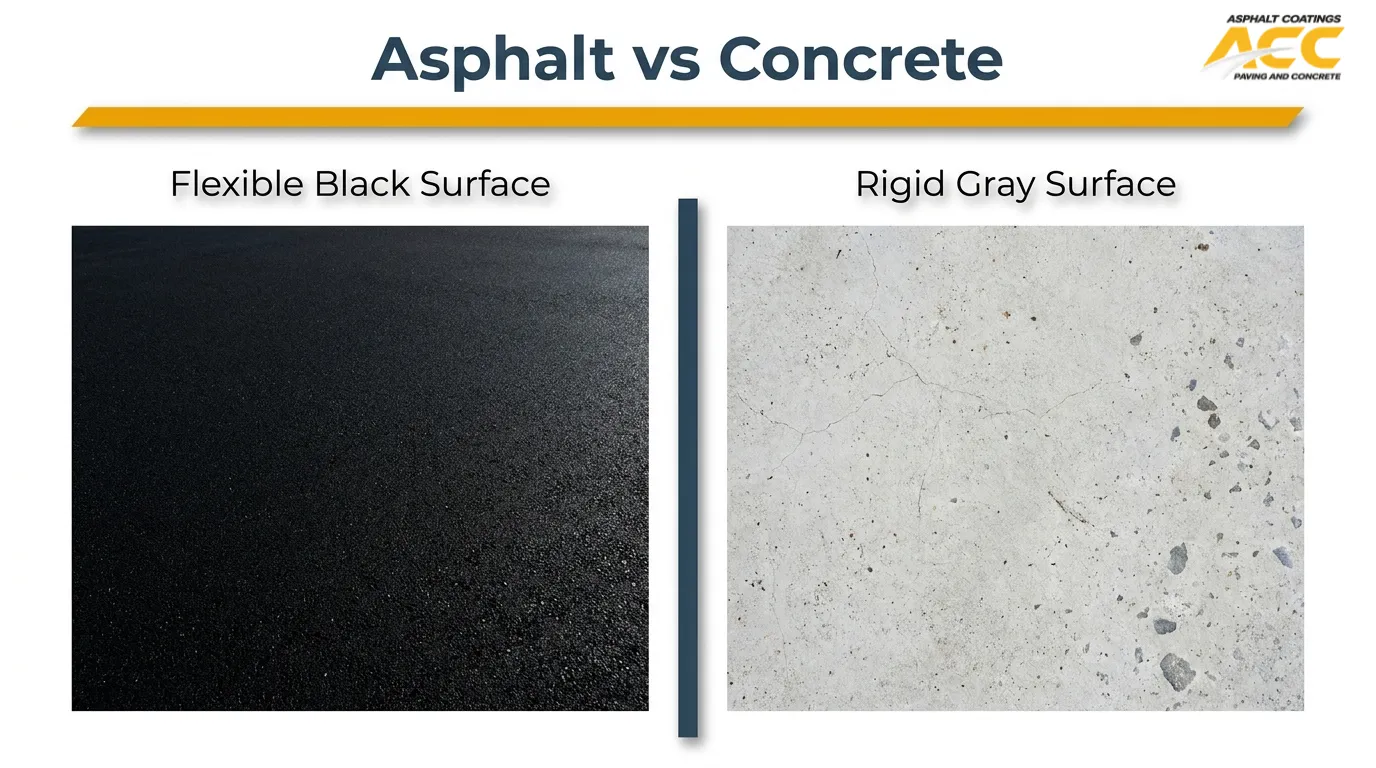
What Are the Differences Between Asphalt and Concrete Paving?
July 22, 2026
Asphalt paving is a flexible surface made from aggregates bound with bitumen, while concrete paving is a rigid composite of Portland cement, water, air, and aggregates. Each material delivers distinct advantages depending on project budget, climate, and expected use. This guide covers material composition and installation, cost comparisons across short and long-term horizons, the pros
Read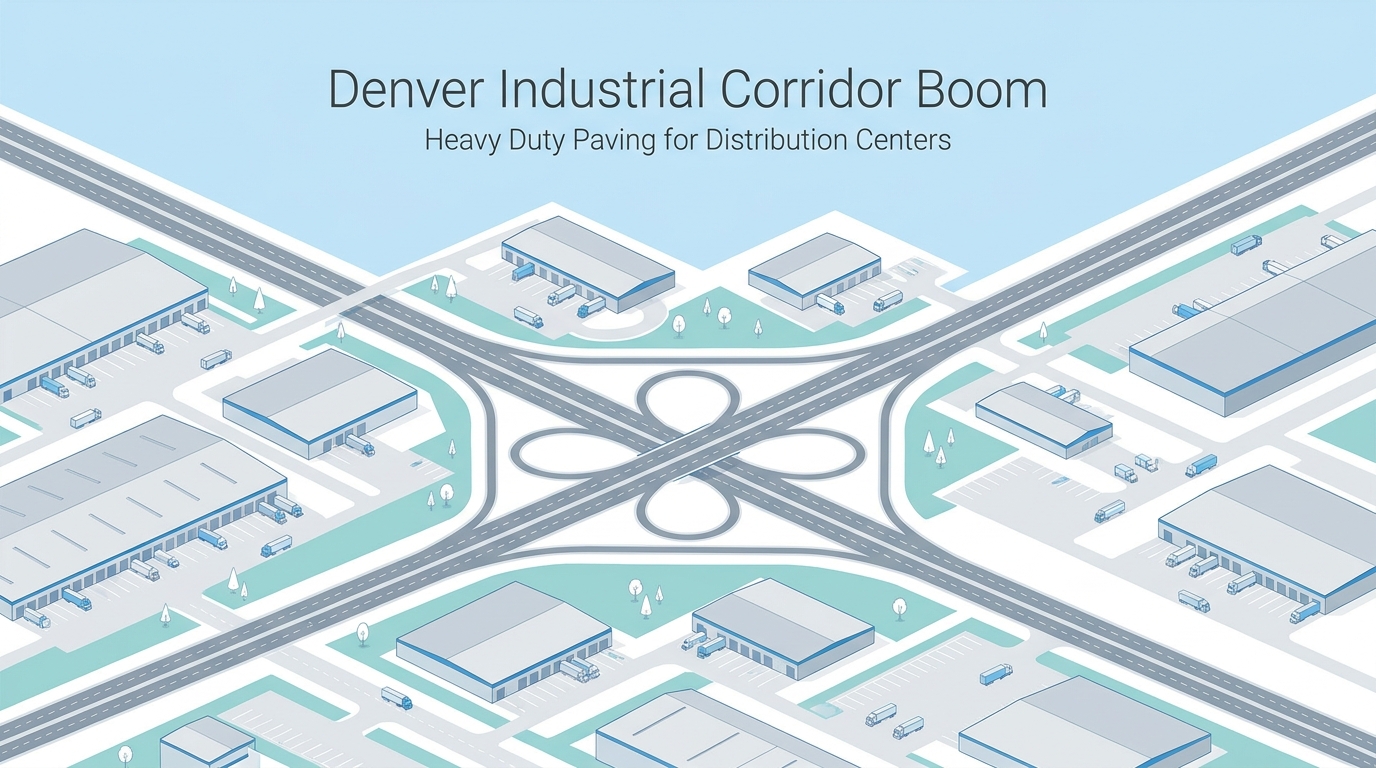
What Does Paving Look Like for Denver’s Warehouse Boom Along I-70 and I-76?
June 26, 2026
Paving for Denver’s warehouse boom along I-70 and I-76 is industrial-grade pavement engineering designed to withstand heavy distribution traffic, extreme climate conditions, and strict regulatory requirements unique to Colorado’s Front Range. This corridor’s rapid growth in e-commerce fulfillment and logistics facilities demands asphalt and concrete solutions far beyond standard commercial paving. This guide covers corridor
Read