
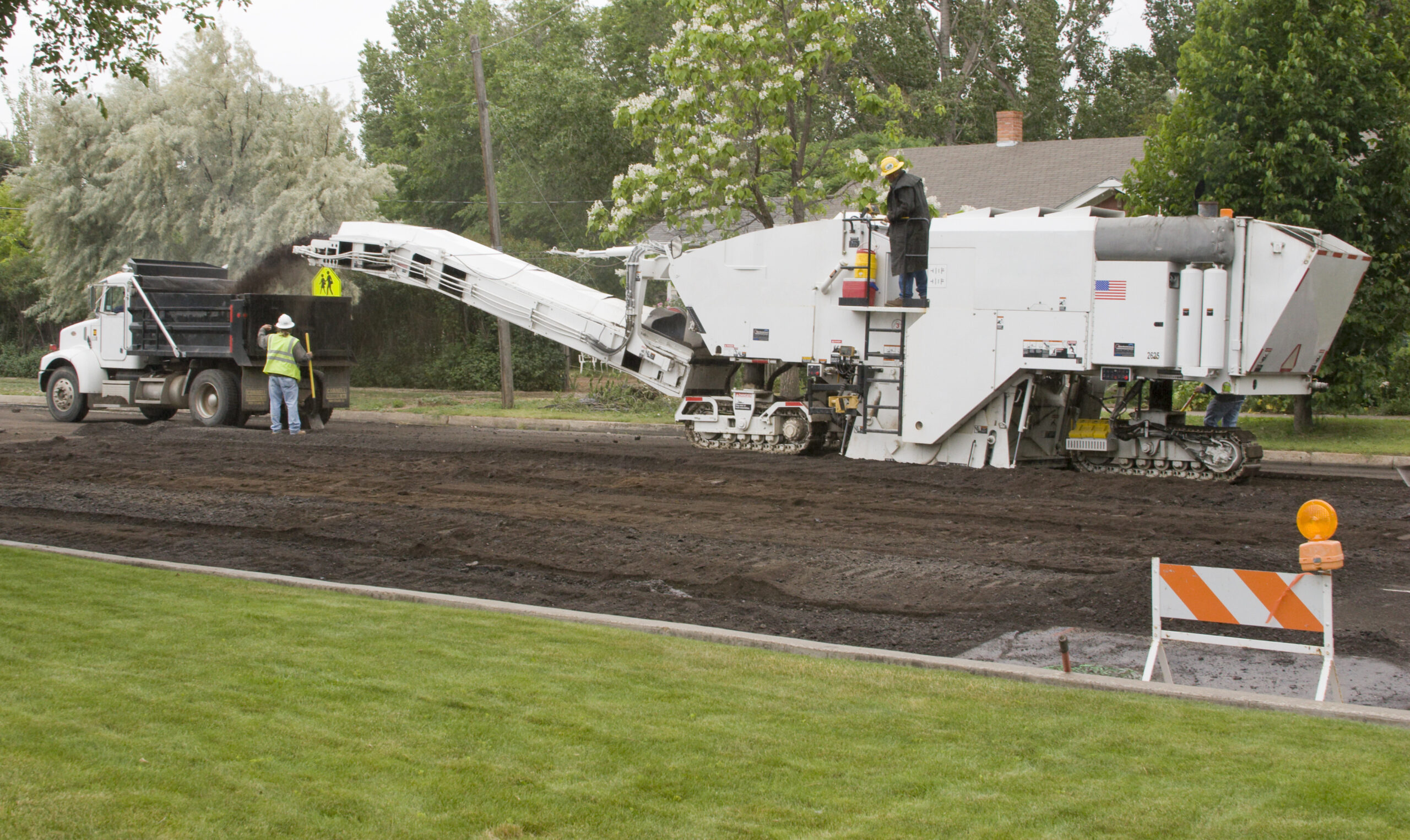
What Is Asphalt Milling and When Is It Needed?
April 9, 2025
Over time, asphalt surfaces degrade due to continuous vehicular load, environmental exposure, and oxidation. Surface distress, manifesting as alligator cracking, rutting, ravelling, and pothole formation, compromises both structural integrity and safety. When conventional patching fails to provide a sustainable solution, asphalt milling emerges as the most efficient method for surface rehabilitation. Asphalt milling, also known
Read
What Should You Expect During a New-Construction Paving Project in a Growing Colorado Springs Corridor?
June 25, 2026
A new-construction paving project in a growing Colorado Springs corridor is a multi-phase process that transforms raw land into a finished, code-compliant asphalt surface through sequential site preparation, engineered subbase work, hot-mix asphalt installation, and final striping. This guide covers site preparation and drainage infrastructure, project timelines and installation phases, freeze-thaw resilience and climate-adapted design,
Read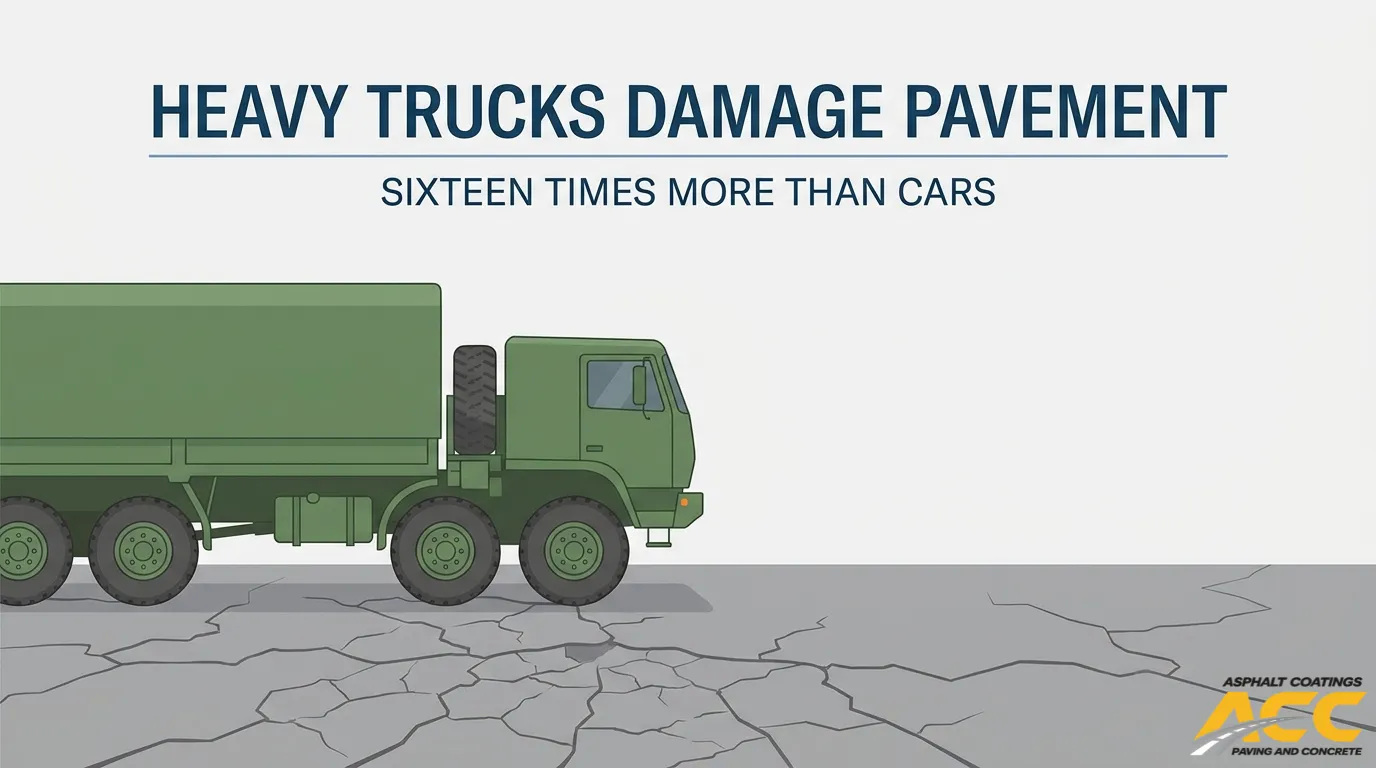
How Does Heavy Truck Traffic Near Fort Carson Shorten Pavement Life?
June 24, 2026
Heavy truck traffic near Fort Carson shortens pavement life by subjecting roads and parking lots to repeated military-grade loads that cause exponentially more damage than passenger vehicles. Pavement deterioration under these conditions follows a power-of-four relationship, meaning doubled vehicle weight produces roughly 16 times more structural harm. This guide covers Fort Carson’s traffic generation and
Read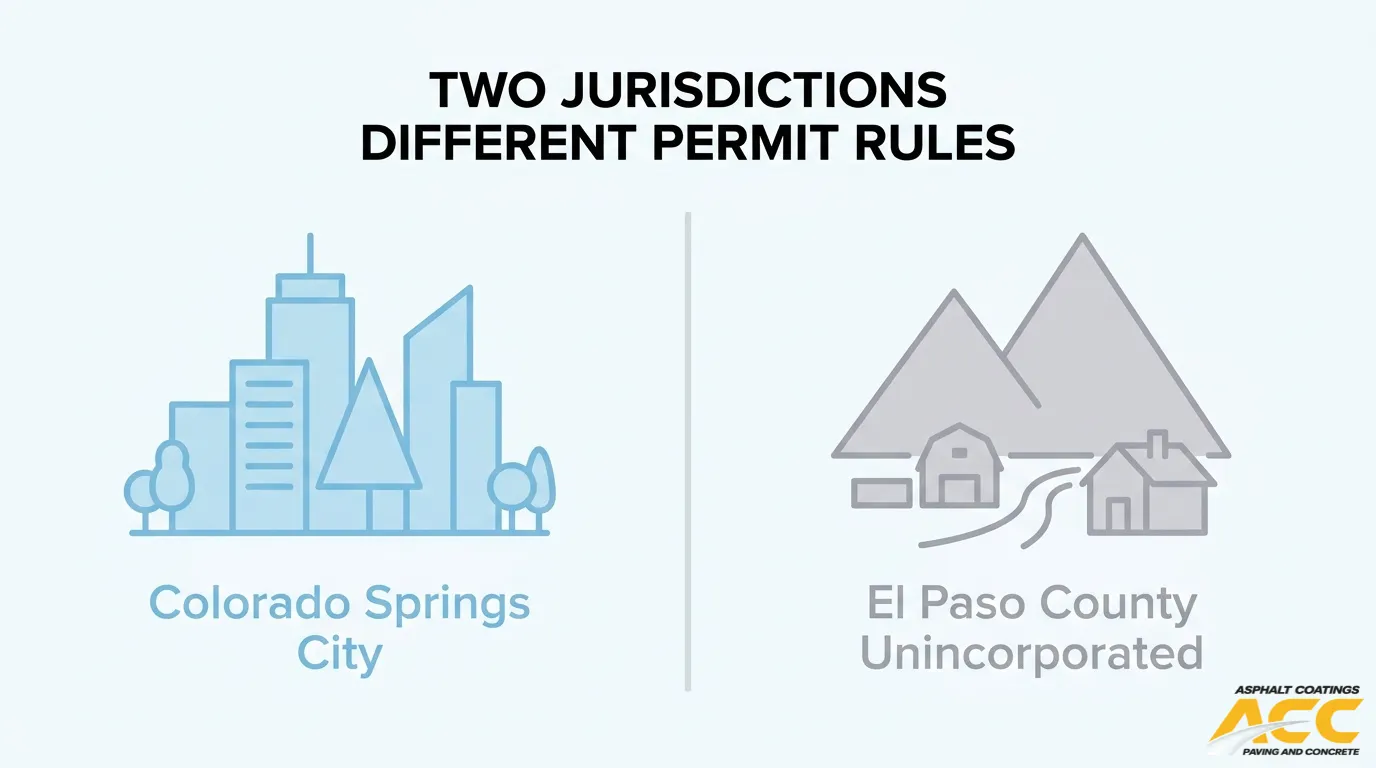
What Are the Differences in Commercial Paving Permits Between Colorado Springs and Unincorporated El Paso County?
June 24, 2026
Commercial paving permits in the Colorado Springs area are regulated by separate agencies, portals, and codes depending on whether a project falls within city limits or unincorporated El Paso County. This guide covers permitting authorities and project types, application processes and portals, zoning and stormwater compliance, fees and inspection requirements, and seasonal and enforcement considerations.
Read