
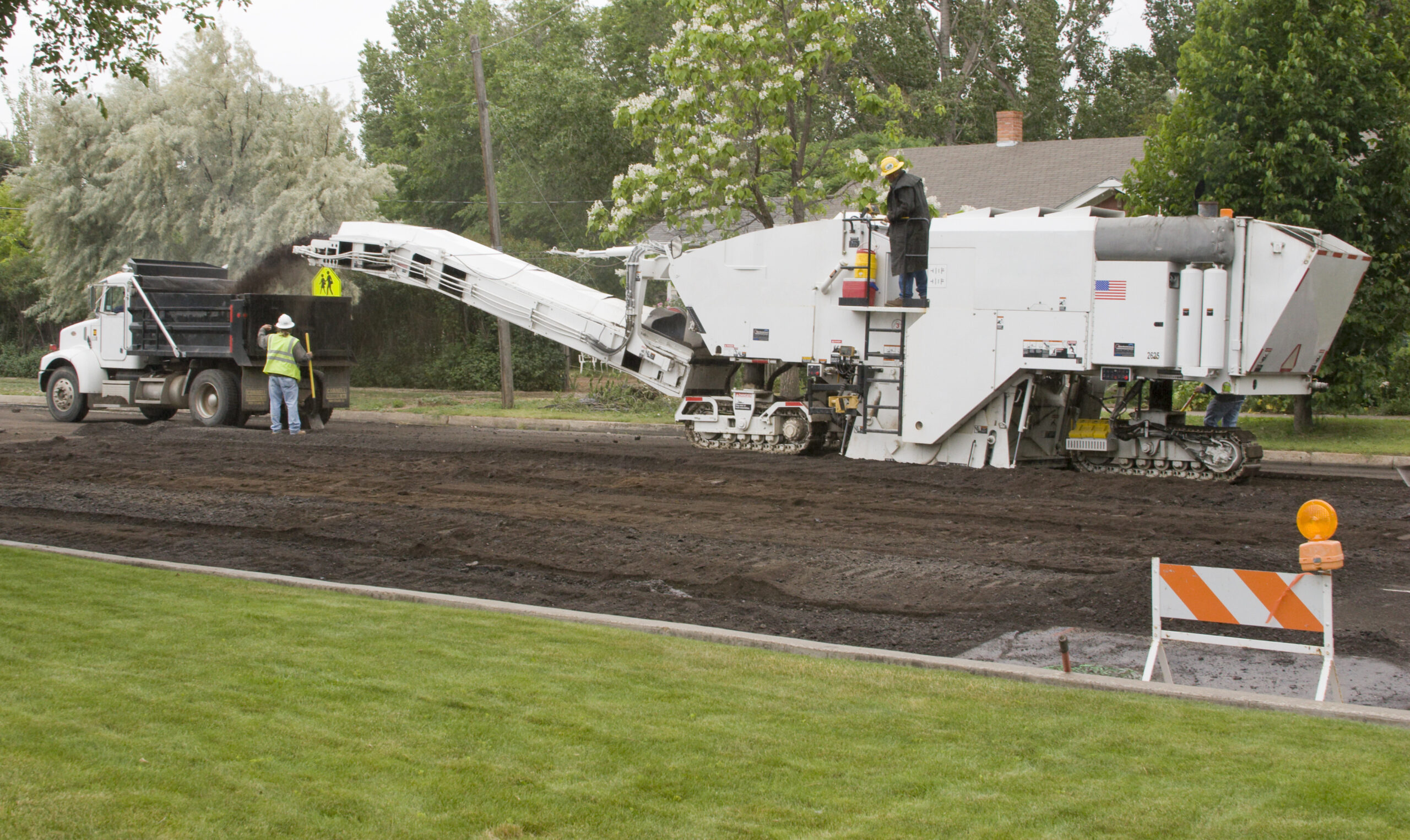
What Is Asphalt Milling and When Is It Needed?
April 9, 2025
Over time, asphalt surfaces degrade due to continuous vehicular load, environmental exposure, and oxidation. Surface distress, manifesting as alligator cracking, rutting, ravelling, and pothole formation, compromises both structural integrity and safety. When conventional patching fails to provide a sustainable solution, asphalt milling emerges as the most efficient method for surface rehabilitation. Asphalt milling, also known
Read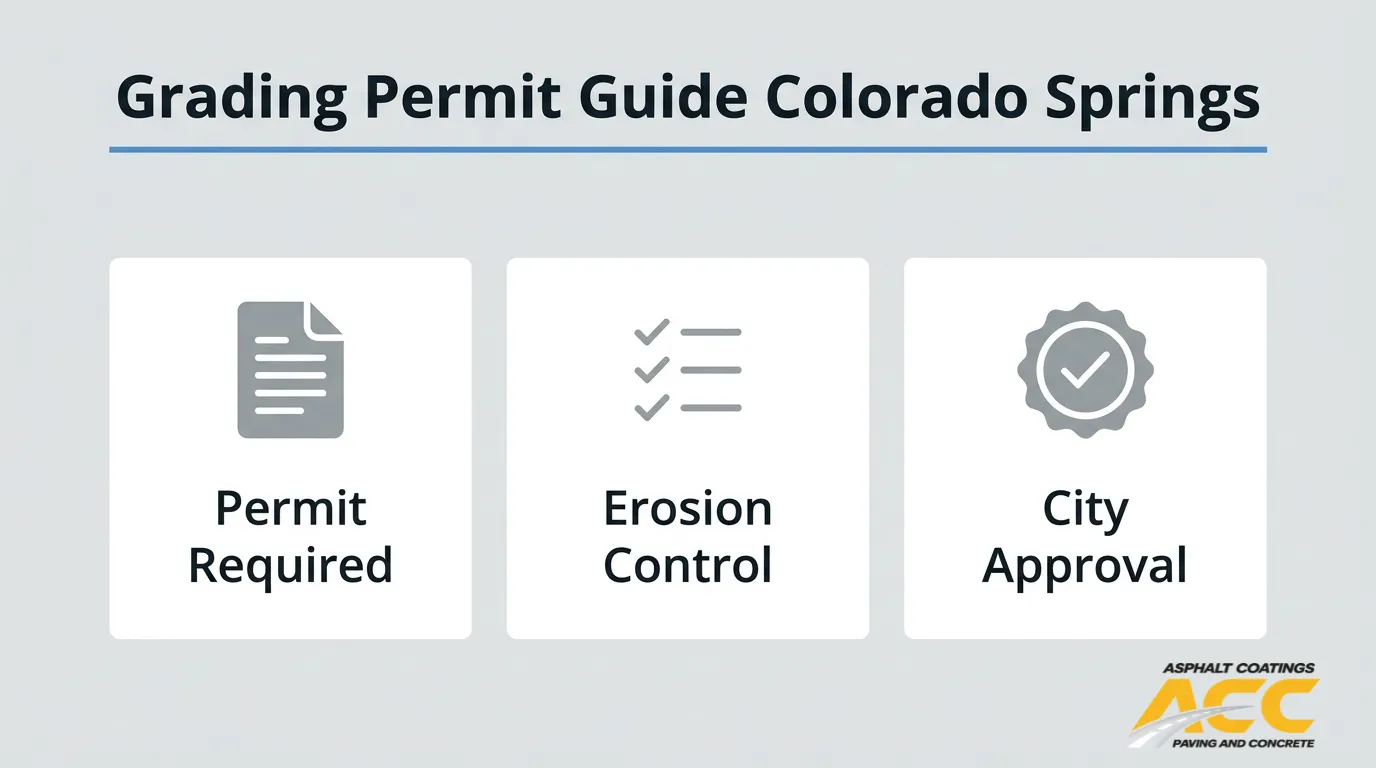
Do You Need a Grading and Erosion Control Permit for Your Colorado Springs Lot Project?
June 23, 2026
A Grading and Erosion Control (GEC) Permit is a city-issued authorization required before any clearing, grading, excavation, or filling begins on a property in Colorado Springs. The permit ensures land-disturbing activities comply with municipal stormwater regulations and protect surrounding properties and waterways. This guide covers permit definitions and triggers, the application process, required erosion control
Read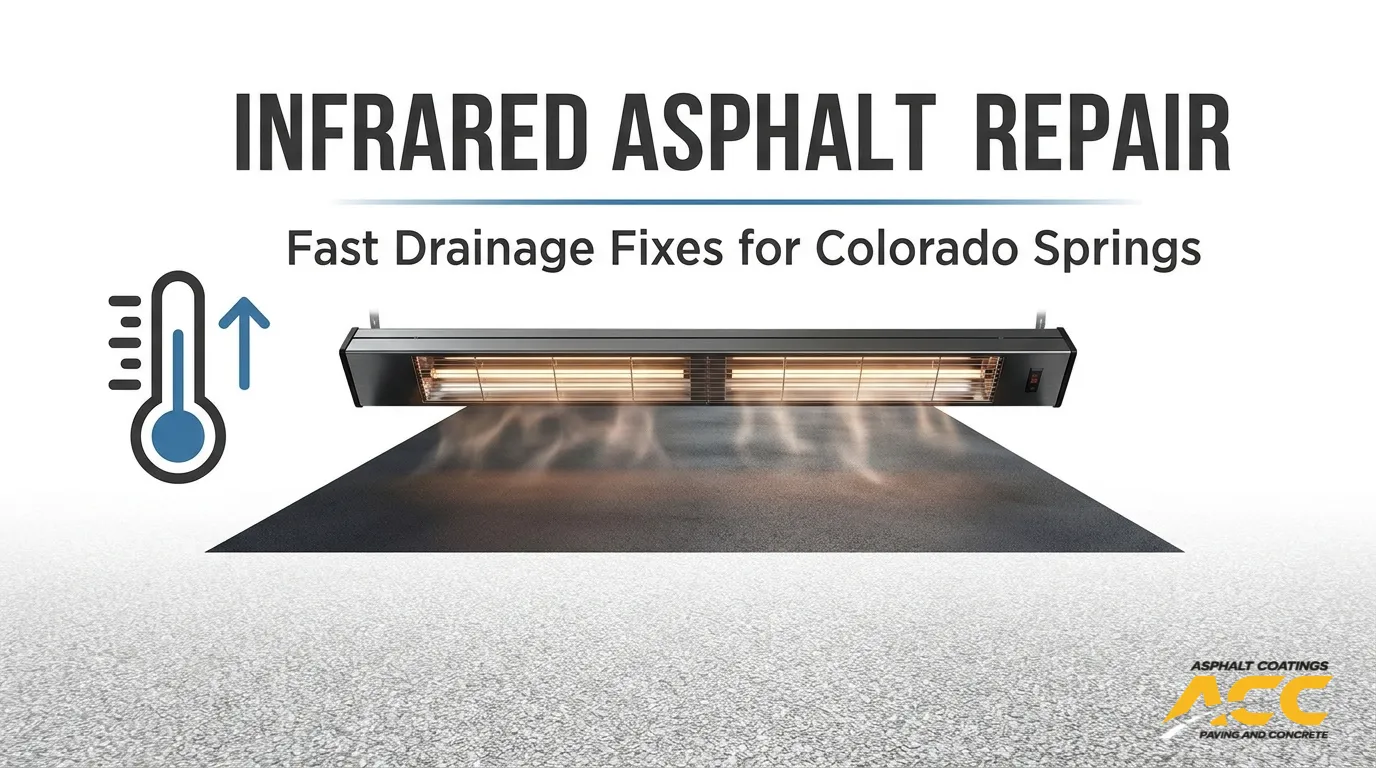
Infrared Asphalt Repair: A Faster Fix for Colorado Springs Low Spots & Ponding
June 23, 2026
Infrared asphalt repair is a heat-based pavement correction method that softens existing asphalt so crews can regrade low spots, eliminate ponding, and restore proper drainage without full removal. It is one of the most efficient tools available for commercial property managers in Colorado Springs. This guide covers how the infrared process works, why low spots
Read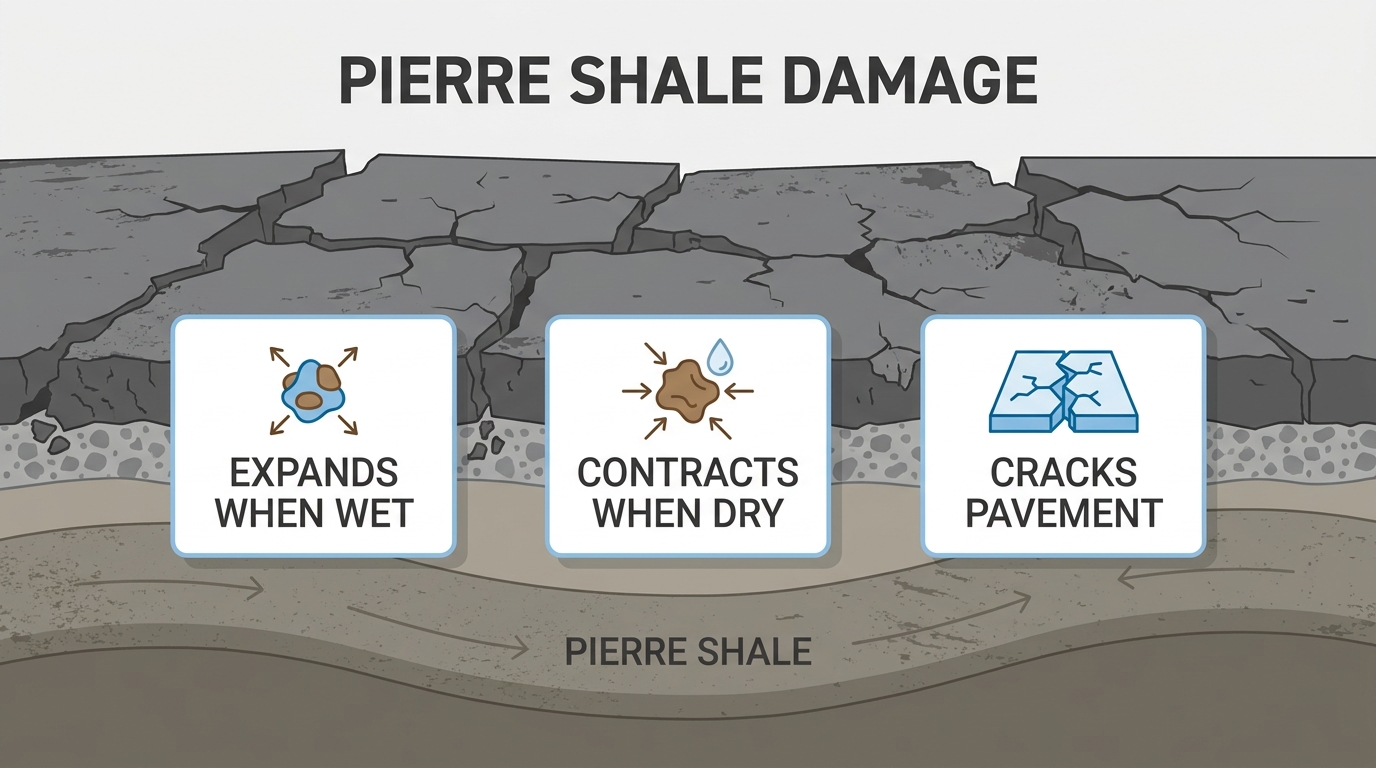
Why Do Expansive Pierre Shale Soils Crack Denver Commercial Pavements?
June 23, 2026
Pierre Shale is a Late Cretaceous marine shale formation rich in smectite and montmorillonite clay minerals that swell when wet and shrink when dry, generating a relentless swell-shrink cycle beneath Denver commercial pavements. This cycle is the primary reason parking lots, loading areas, and access roads across the metro area develop cracking, heaving, and settlement
Read