
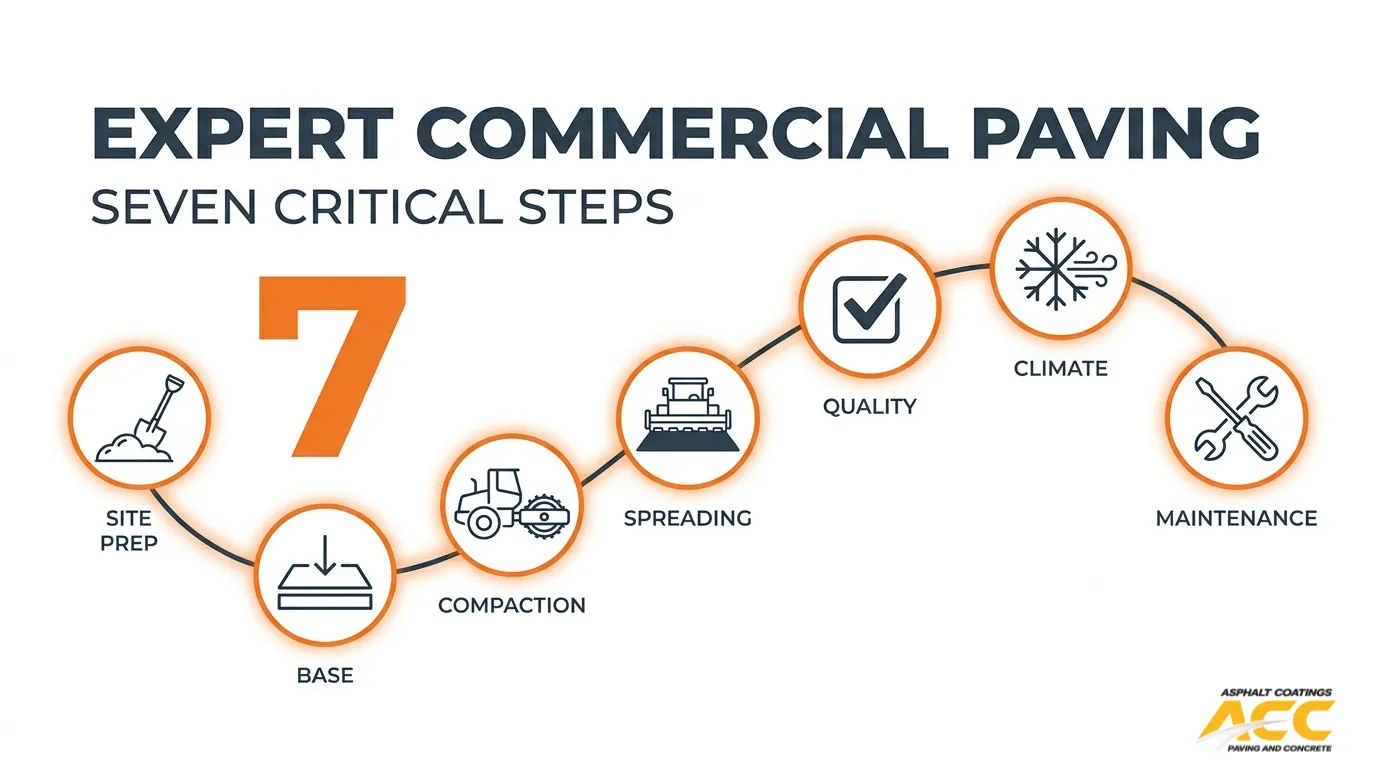
What Are the 7 Steps to Expert Commercial Asphalt Paving Installation?
July 22, 2026
Commercial asphalt paving installation is a sequential, seven-phase process where each layer and procedure builds directly on the one before it. Skipping or rushing any single step compromises every layer above it. This guide covers pre-construction planning, site preparation and demolition, subgrade and base layer engineering, binder and surface course placement, post-installation quality assurance, freeze-thaw
Read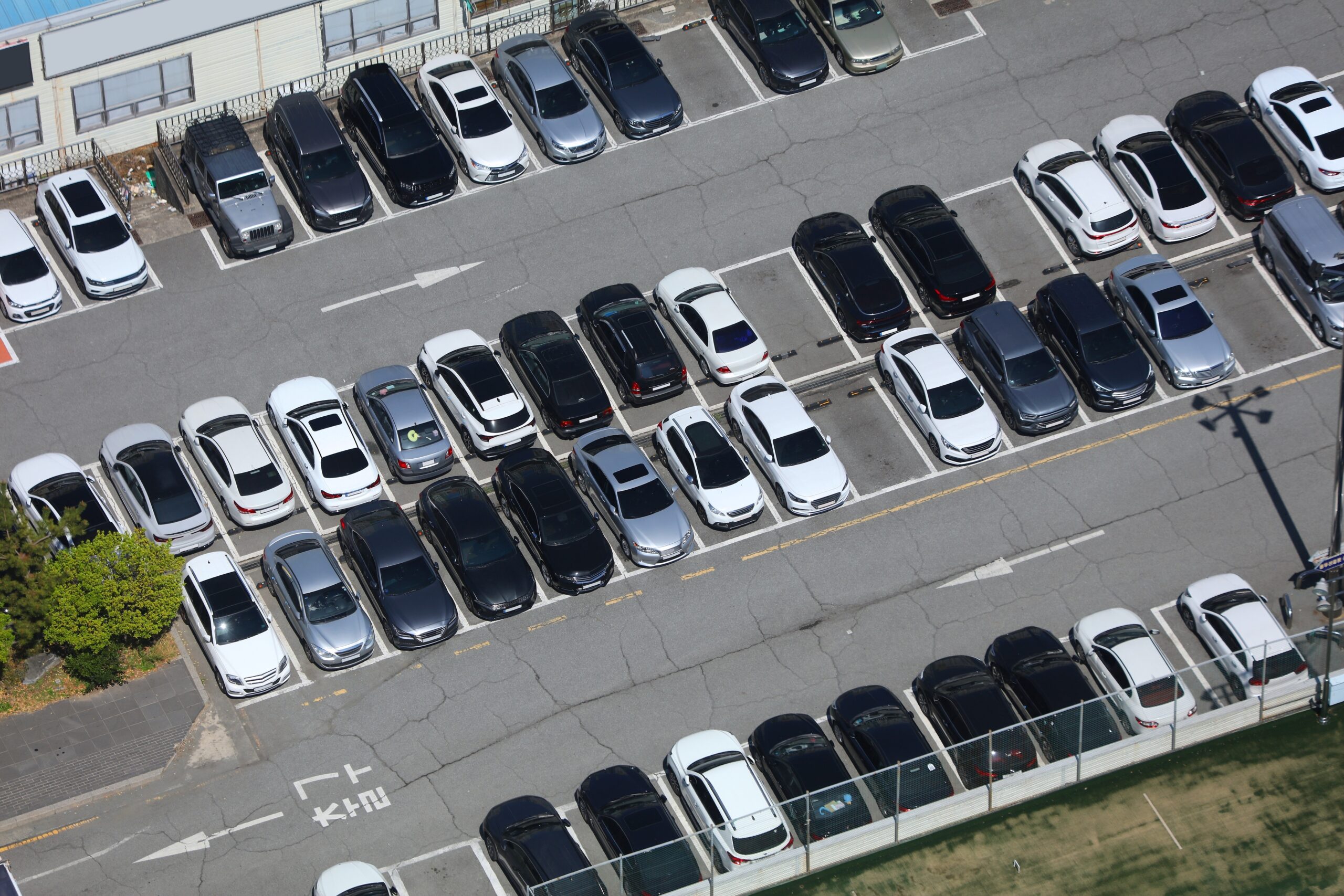
The Importance of ADA-Compliant Concrete Work in Denver Parking Lots
November 21, 2025
Designing and maintaining a parking lot might seem simple, but it is more than just pouring concrete and painting lines. Meeting the Americans with Disabilities Act (ADA) standards is an essential part of creating an accessible and compliant property. In Denver, where accessibility, weather durability, and city inspections are important, ADA compliant sidewalk design is
Read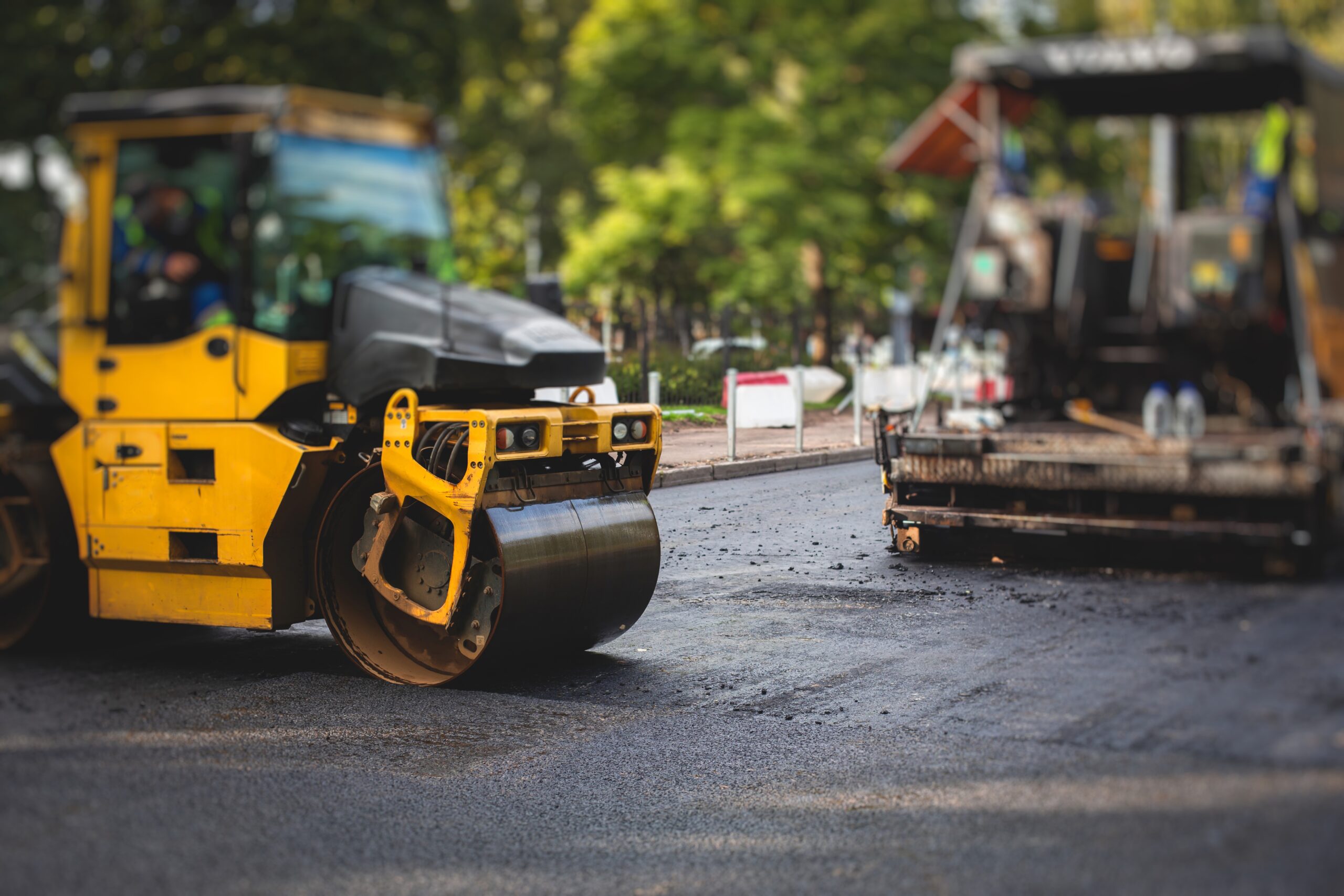
How Denver’s Winter Freeze-Thaw Cycles Impact Asphalt Durability
November 19, 2025
Denver’s high-altitude climate makes it one of the most challenging regions in the United States for asphalt pavement longevity. Each winter, fluctuating temperatures cause frequent freeze-thaw cycles, where melted snow seeps into tiny pavement cracks, freezes overnight, expands, and thaws again. This constant expansion and contraction places repeated stress on asphalt surfaces, leading to cracking,
Read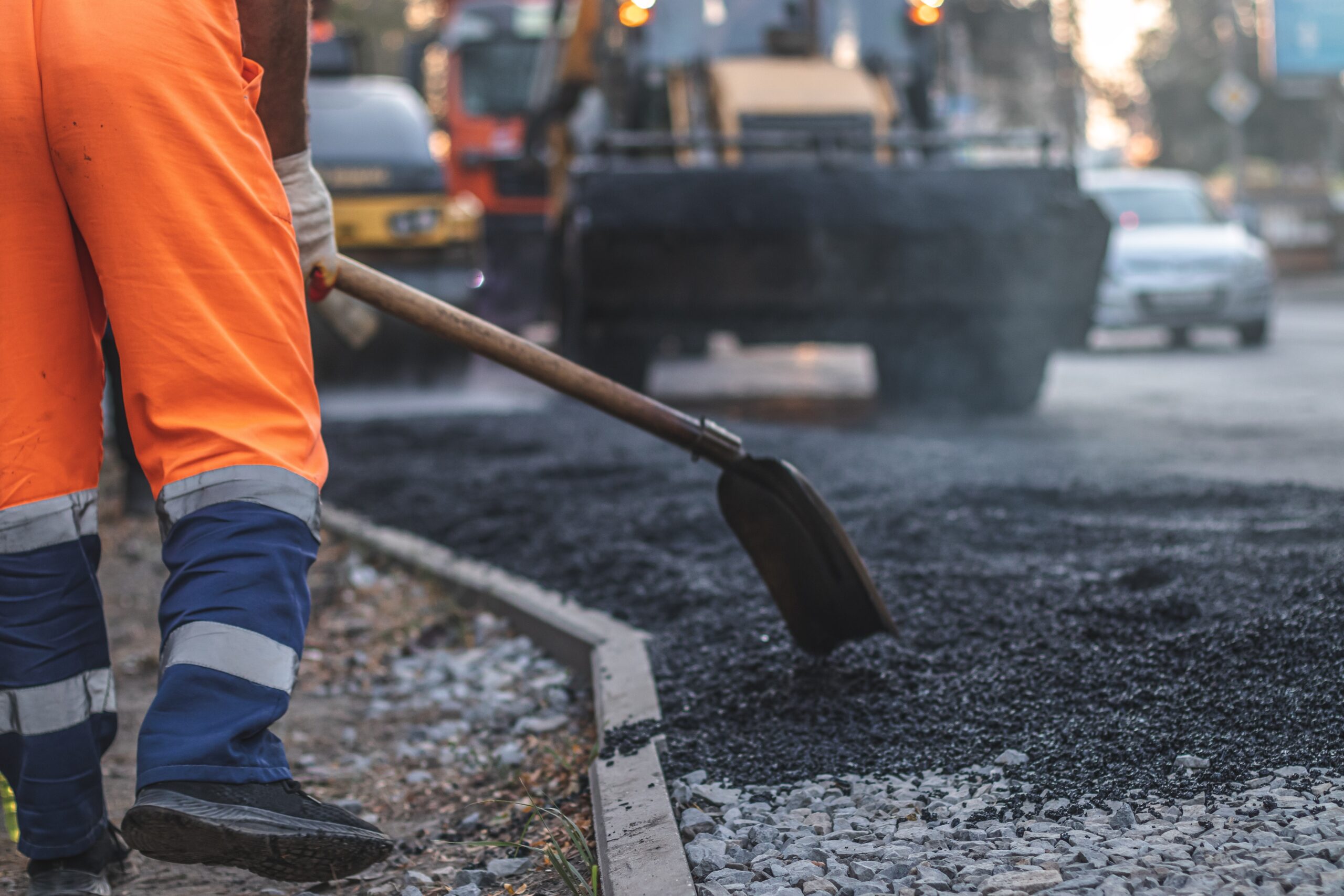
Eco-Friendly Asphalt Solutions for Sustainable Denver Projects
November 19, 2025
As Denver grows rapidly, sustainability has become a top priority in every construction project, including road and pavement design. Eco-friendly asphalt solutions help reduce carbon emissions, conserve energy, and minimize waste without compromising quality or performance. For example, a survey by the National Asphalt Pavement Association (NAPA) found that reclaiming approximately 97 million tons of
Read