
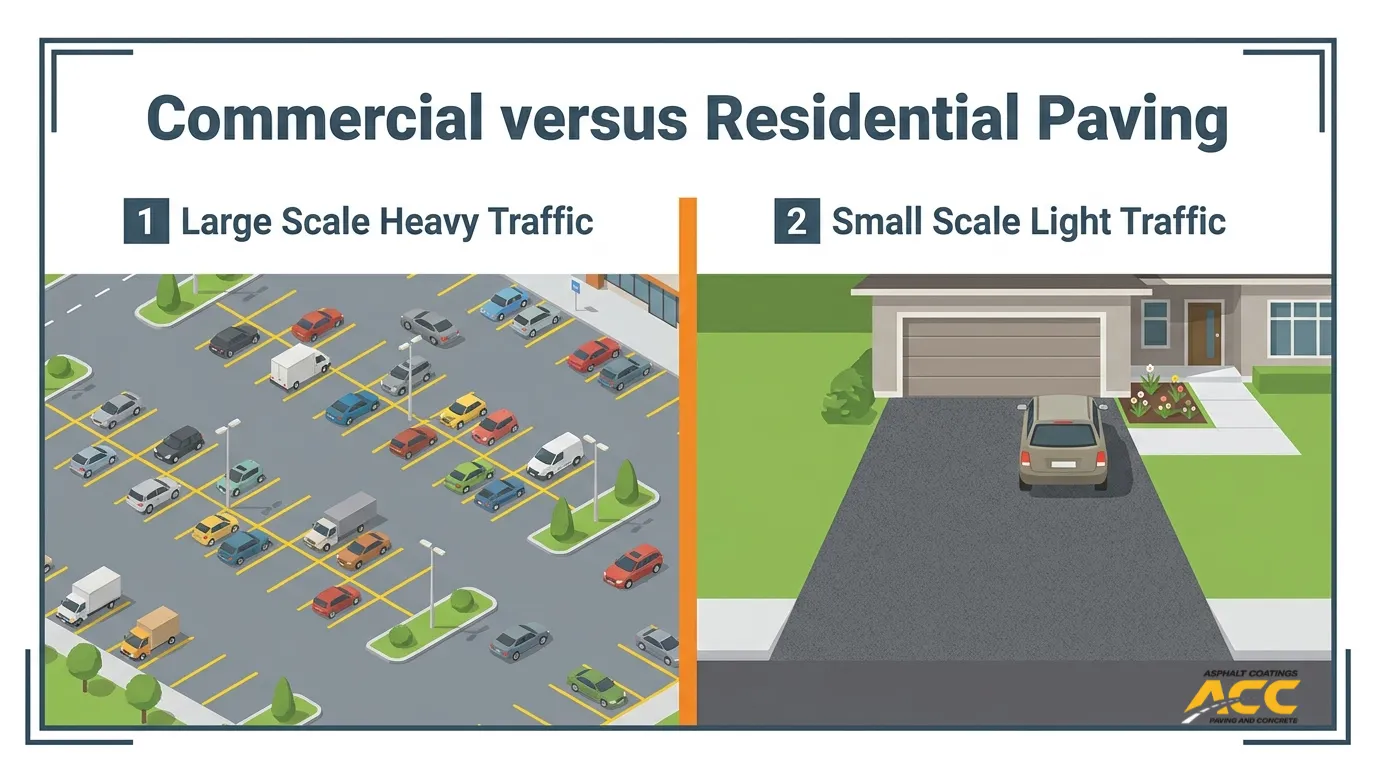
What Are the Key Differences Between Commercial and Residential Paving?
July 22, 2026
Commercial and residential paving are two distinct categories of asphalt construction separated by project scale, material specifications, regulatory requirements, and long-term maintenance demands. This guide covers scope and traffic load differences, material and mix design specifications, the paving process from site prep through drainage, cost comparisons, regulatory compliance, maintenance schedules, contractor selection, durability, and Colorado
Read
What Makes Commercial Concrete Different from Residential Concrete?
July 30, 2025
When you plan a new warehouse floor or a home driveway, you face a choice in concrete. Choosing the correct type of concrete starts with understanding how it’s used. Concrete for commercial buildings isn’t the same as that used for a home’s driveway or patio. The two may look alike at first glance, but they’re
Read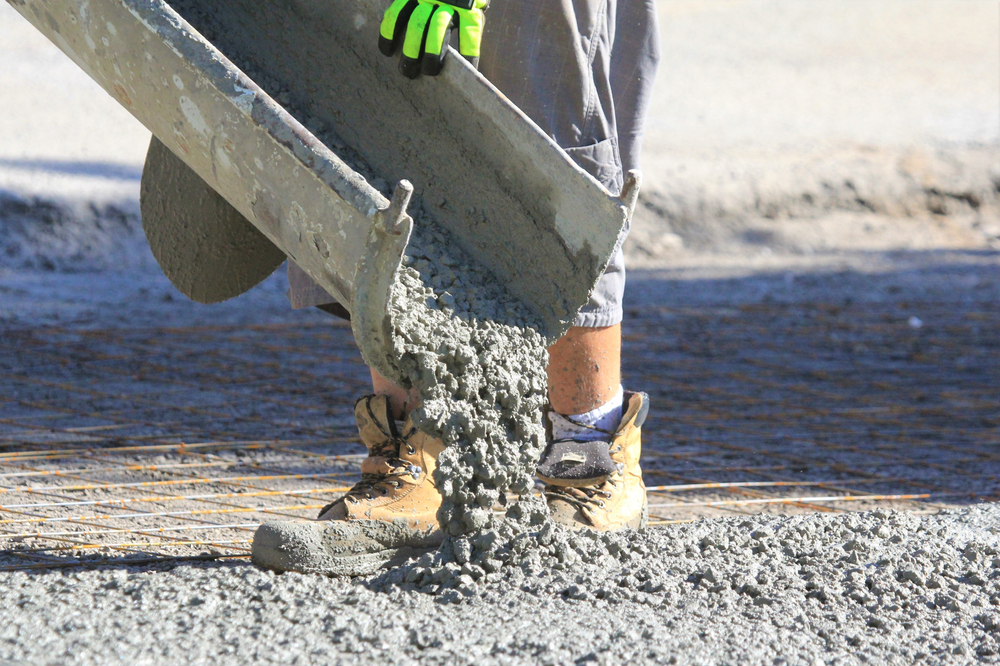
The Hidden Dangers of Uneven Concrete in Commercial Properties
July 30, 2025
Uneven concrete may seem like a minor nuisance at first glance, but for commercial property owners, it’s often a ticking time bomb. Whether caused by tree roots, weather, or poor installation, surface irregularities can pose severe safety risks, open the door to costly lawsuits, and lead to expensive emergency repairs. Identifying and correcting these issues
Read
When to Choose Concrete Replacement Instead of Repair: A Complete Guide for Property Owners
July 30, 2025
When it comes to worn or damaged concrete, property owners are often left asking the same critical question: Should I repair this, or is it time for a complete replacement? While minor issues can often be addressed with a surface-level fix, deeper damage, safety concerns, or code compliance requirements may make replacement the smarter investment.
Read