
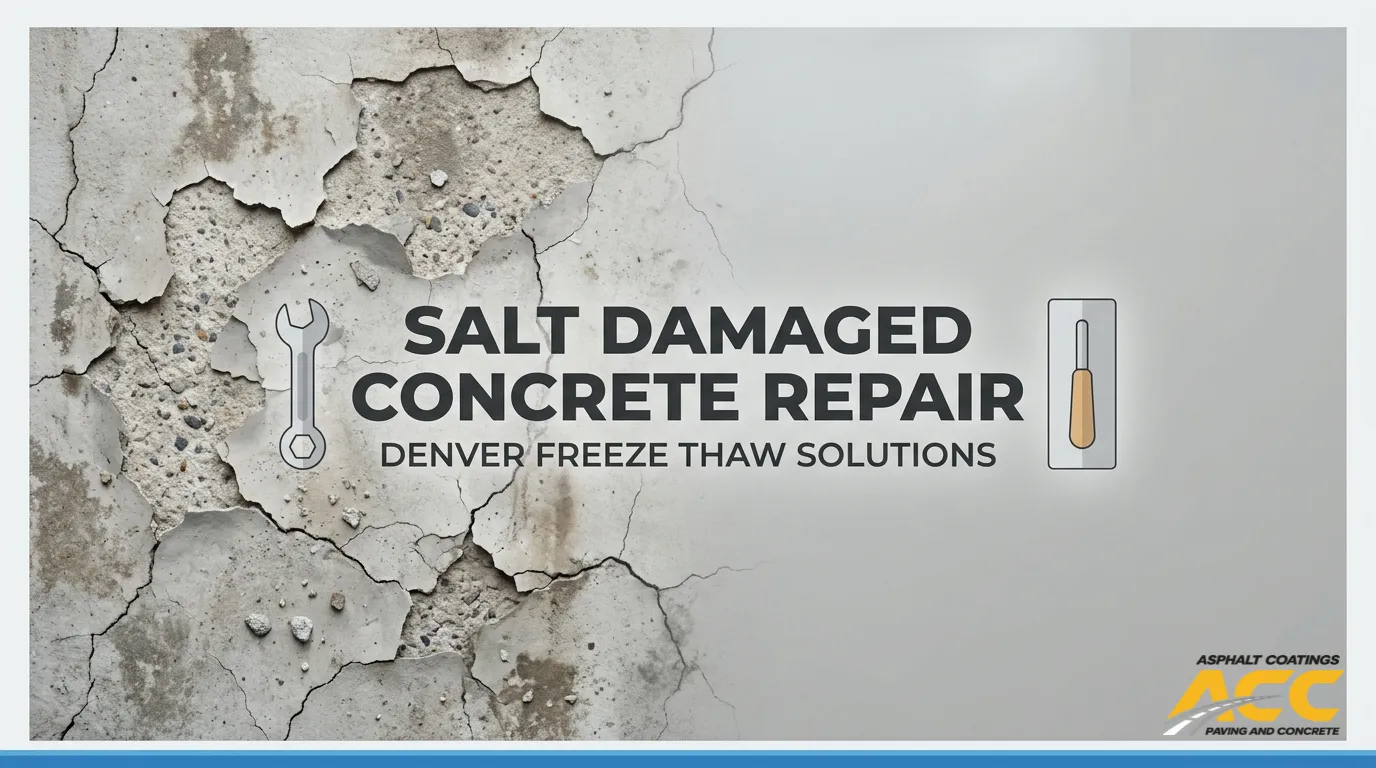
How Should You Handle Salt-Damaged Concrete Repair in Denver, CO?
July 29, 2026
Salt-damaged concrete repair in Denver is the process of restoring commercial concrete surfaces deteriorated by deicing chemicals and freeze-thaw cycling. Repair methods range from thin bonded overlays for minor scaling to full slab removal and replacement for structurally compromised sections. This guide covers how salt damage starts and progresses, repair methods and materials for every
Read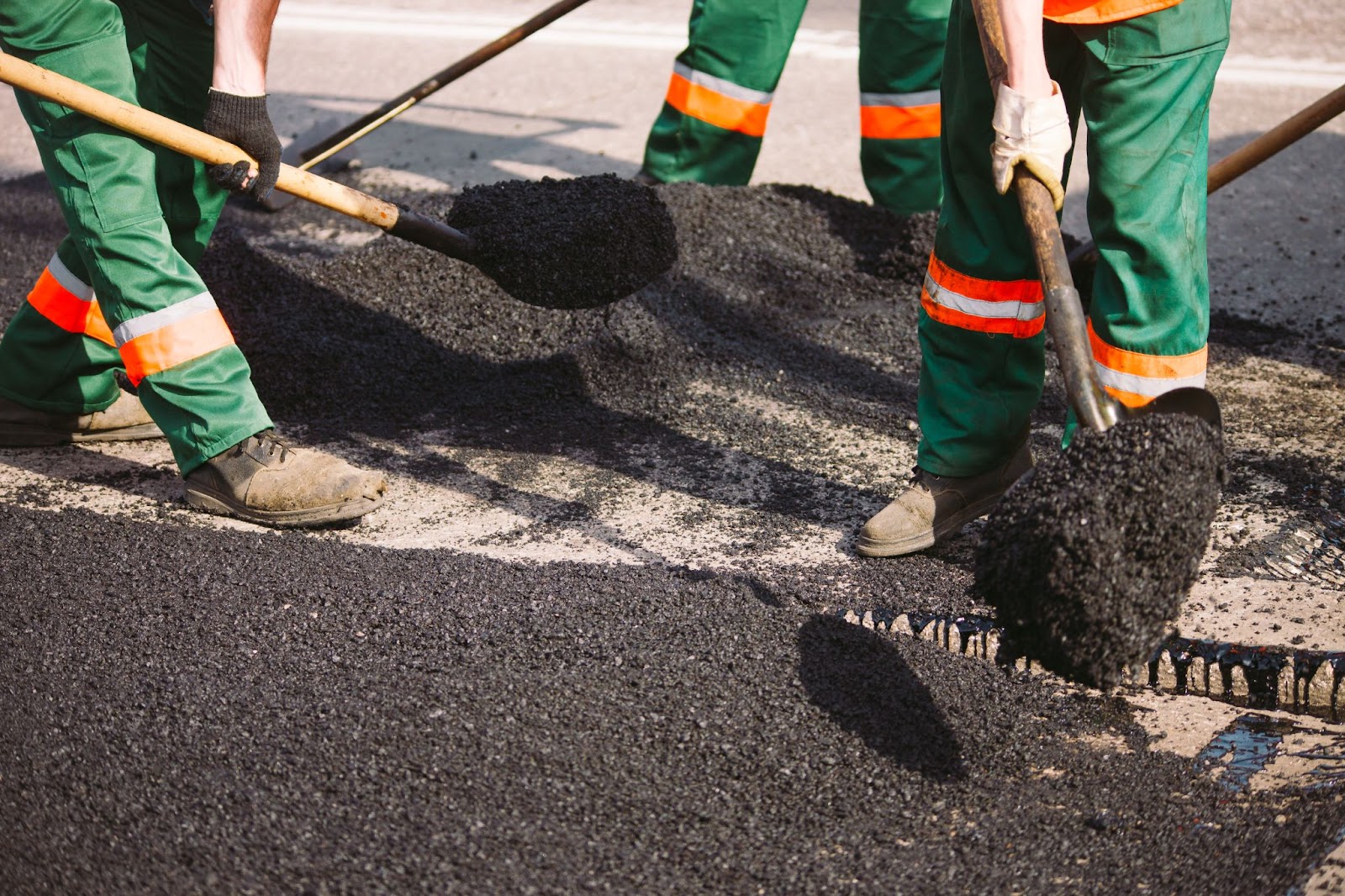
Asphalt Repair: Key Considerations Before Starting
September 6, 2025
Asphalt repair encompasses targeted techniques, such as crack filling, patching, seal coating, or resurfacing, designed to address damage or wear on asphalt surfaces without resorting to full reconstruction. These repairs are vital for preserving pavement integrity, extending its usable life, and preventing minor defects from escalating into costly replacements. According to industry estimates, the cost
Read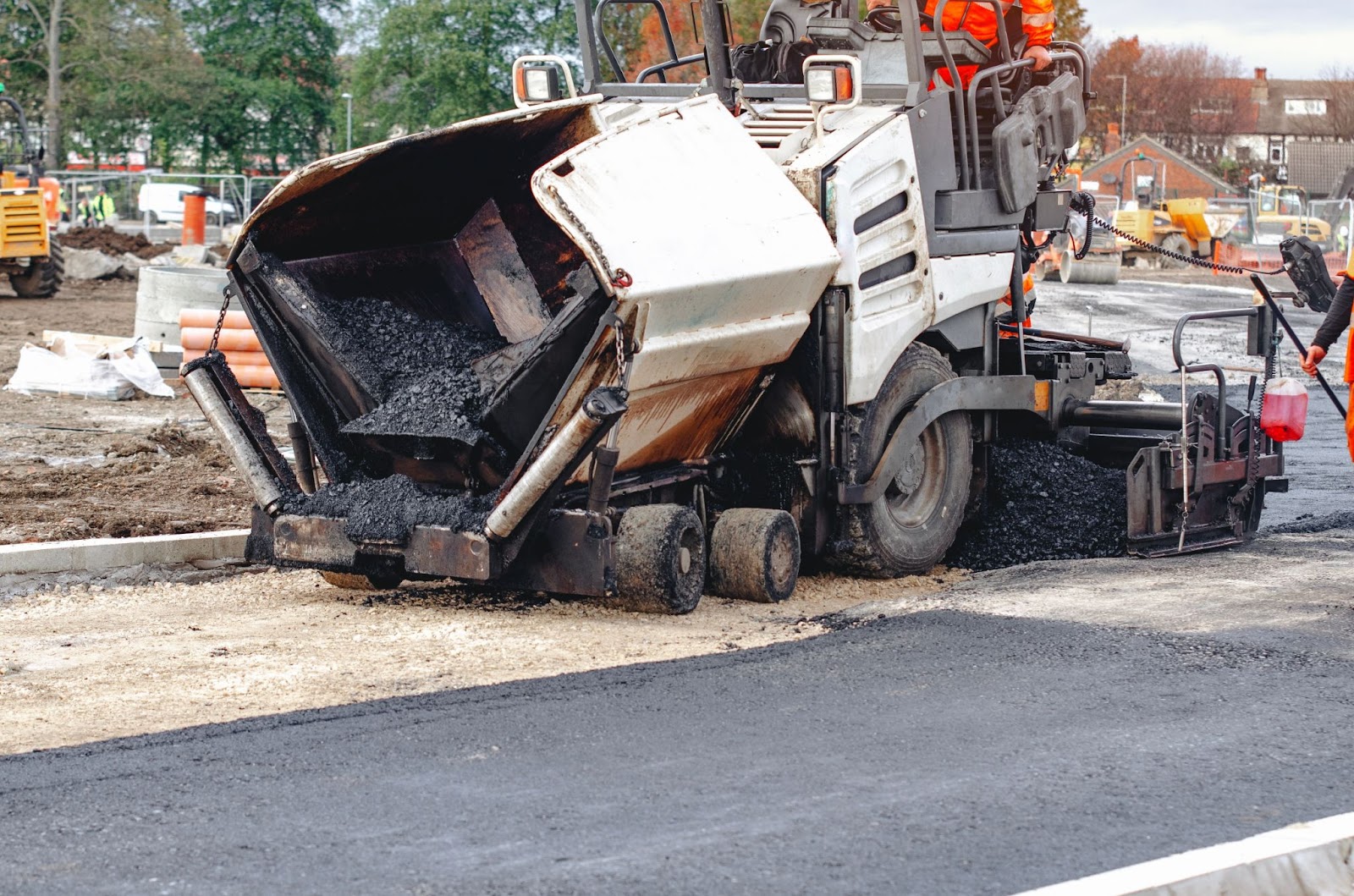
Mill and Pave Asphalt: Key Considerations Before Starting
September 6, 2025
The process of milling and paving asphalt is known as cold milling, followed by overlay. It involves removing the top-worn layer of pavement and applying fresh asphalt. It’s a highly effective method for restoring deteriorated surfaces, improving ride quality, correcting grades and slopes, and recycling reclaimed pavement (RAP). A Federal Highway Administration (FHWA) study found
Read
Asphalt Paving: A Comprehensive Guide
September 6, 2025
Asphalt paving is the paving of asphalt cement, which is further utilized in the production of smooth and durable surfaces. According to the National Asphalt Pavement Association (NAPA), 2.7 million miles of the United States’ roads are surfaced with asphalt; thus, asphalt is the most common paving material in the United States. It is highly
Read