
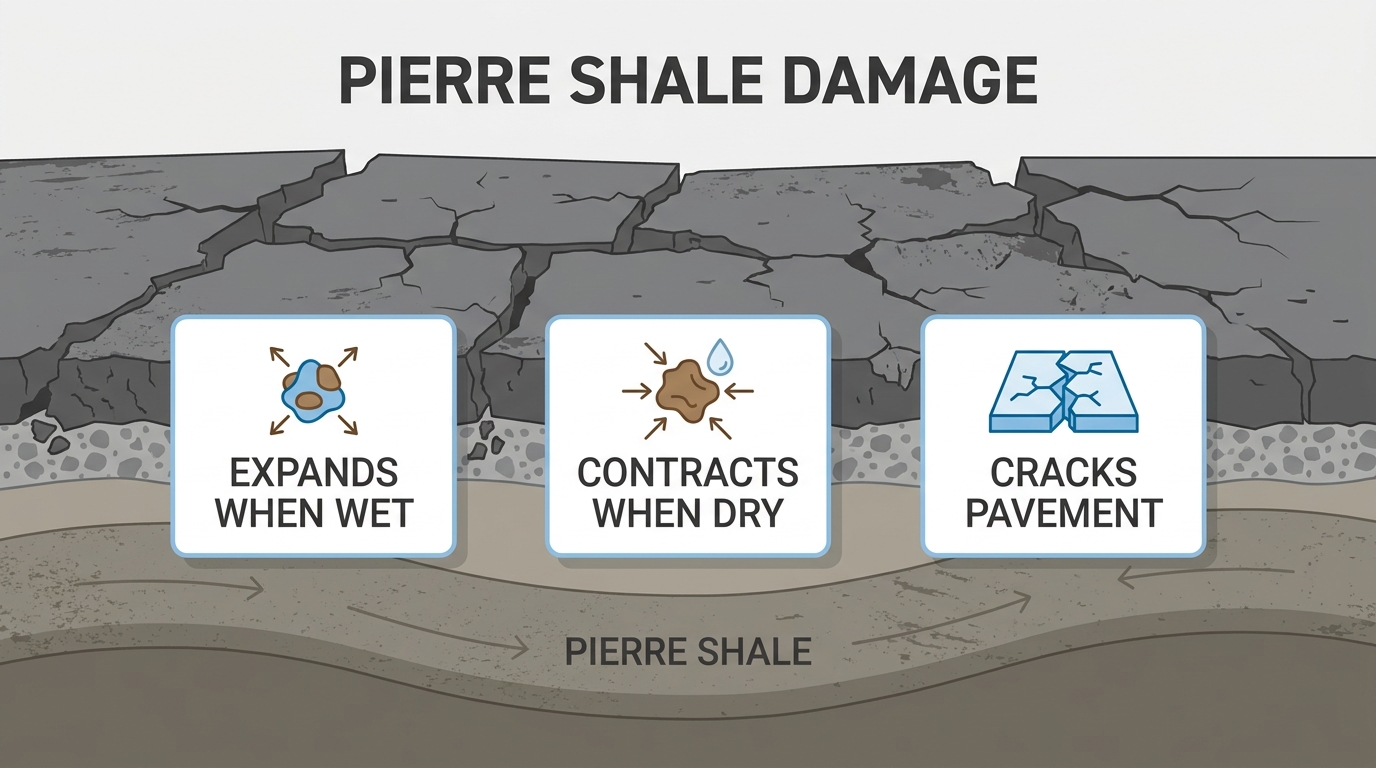
Why Do Expansive Pierre Shale Soils Crack Denver Commercial Pavements?
June 23, 2026
Pierre Shale is a Late Cretaceous marine shale formation rich in smectite and montmorillonite clay minerals that swell when wet and shrink when dry, generating a relentless swell-shrink cycle beneath Denver commercial pavements. This cycle is the primary reason parking lots, loading areas, and access roads across the metro area develop cracking, heaving, and settlement
Read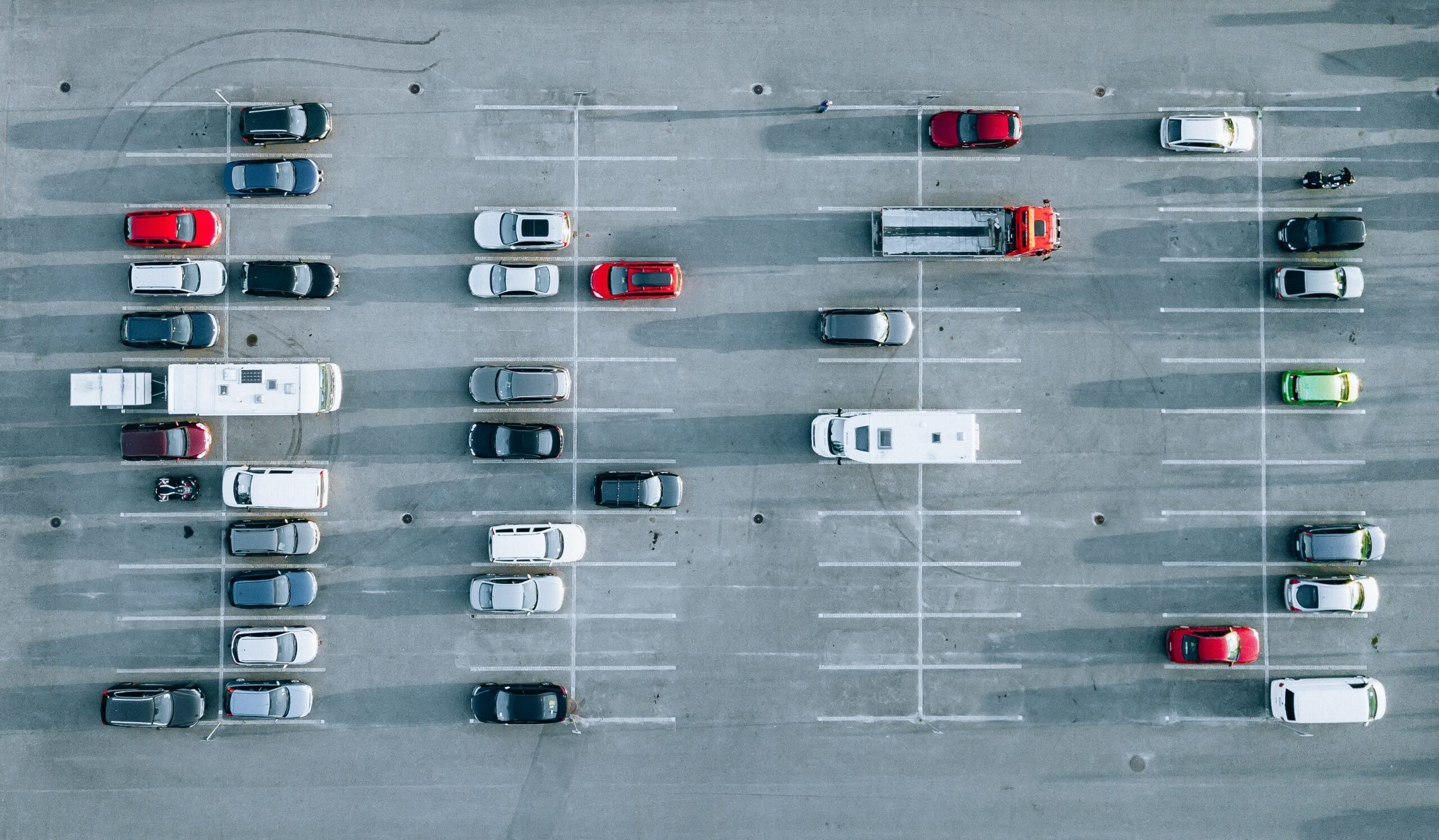
Why Sealcoating Is Vital for Colorado Springs’ Parking Lots in 2026
October 5, 2025
Sealcoating is the process of applying a thin protective layer over asphalt pavement to shield it from weather, heavy traffic, and chemical spills. It prevents asphalt from becoming brittle, reduces cracking, and restores the dark finish that makes lots look new. According to the Minnesota Department of Transportation, sealcoating can extend the life of asphalt
Read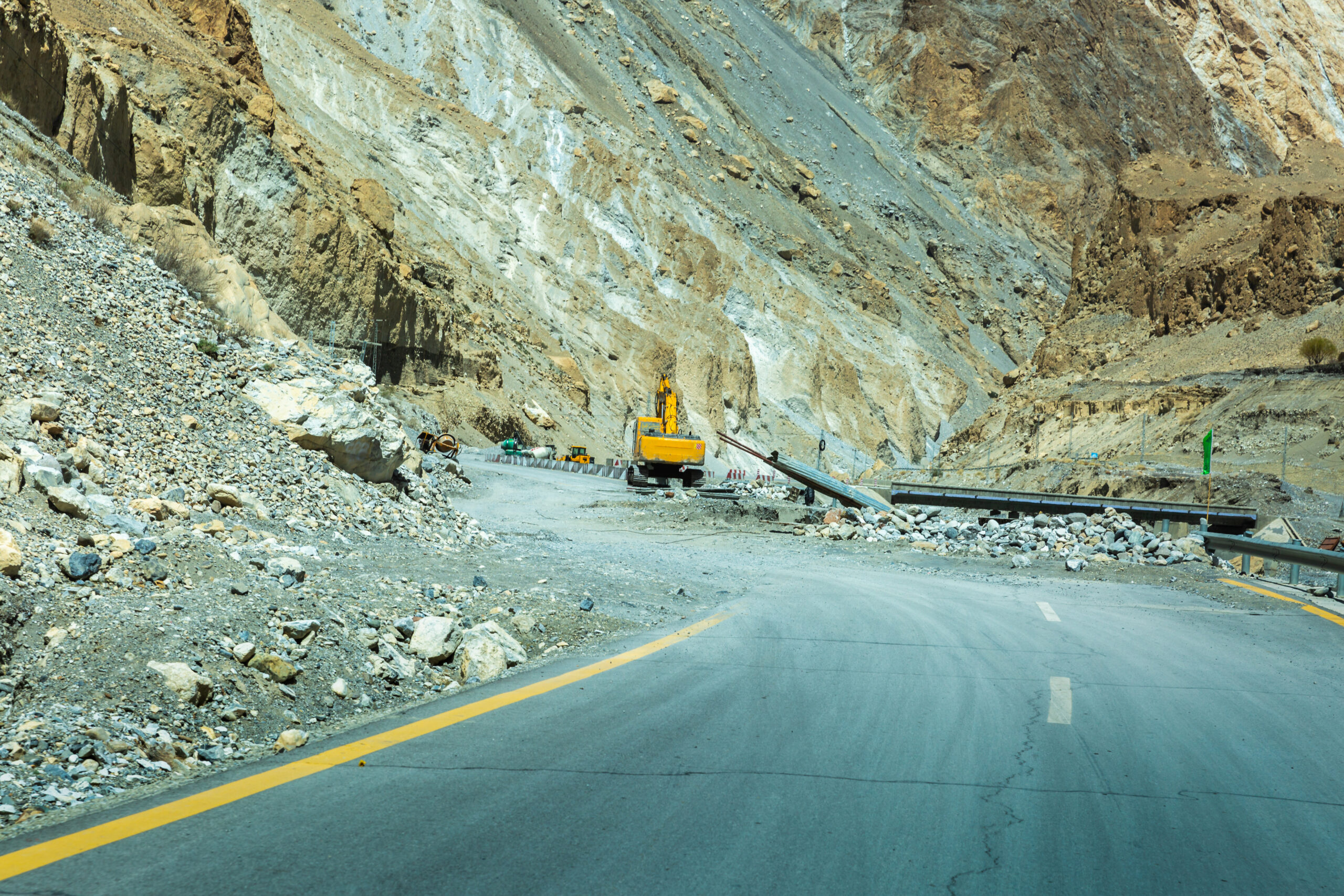
How Colorado Springs’ Altitude Affects Asphalt Paving
October 5, 2025
Colorado Springs sits at an elevation above 6,000 feet and faces distinct paving challenges driven by its high altitude. Higher UV exposure, larger diurnal temperature swings, and altered air and moisture conditions affect how asphalt ages, how mixes should be specified, and which construction methods are most successful in the long term. To address these
Read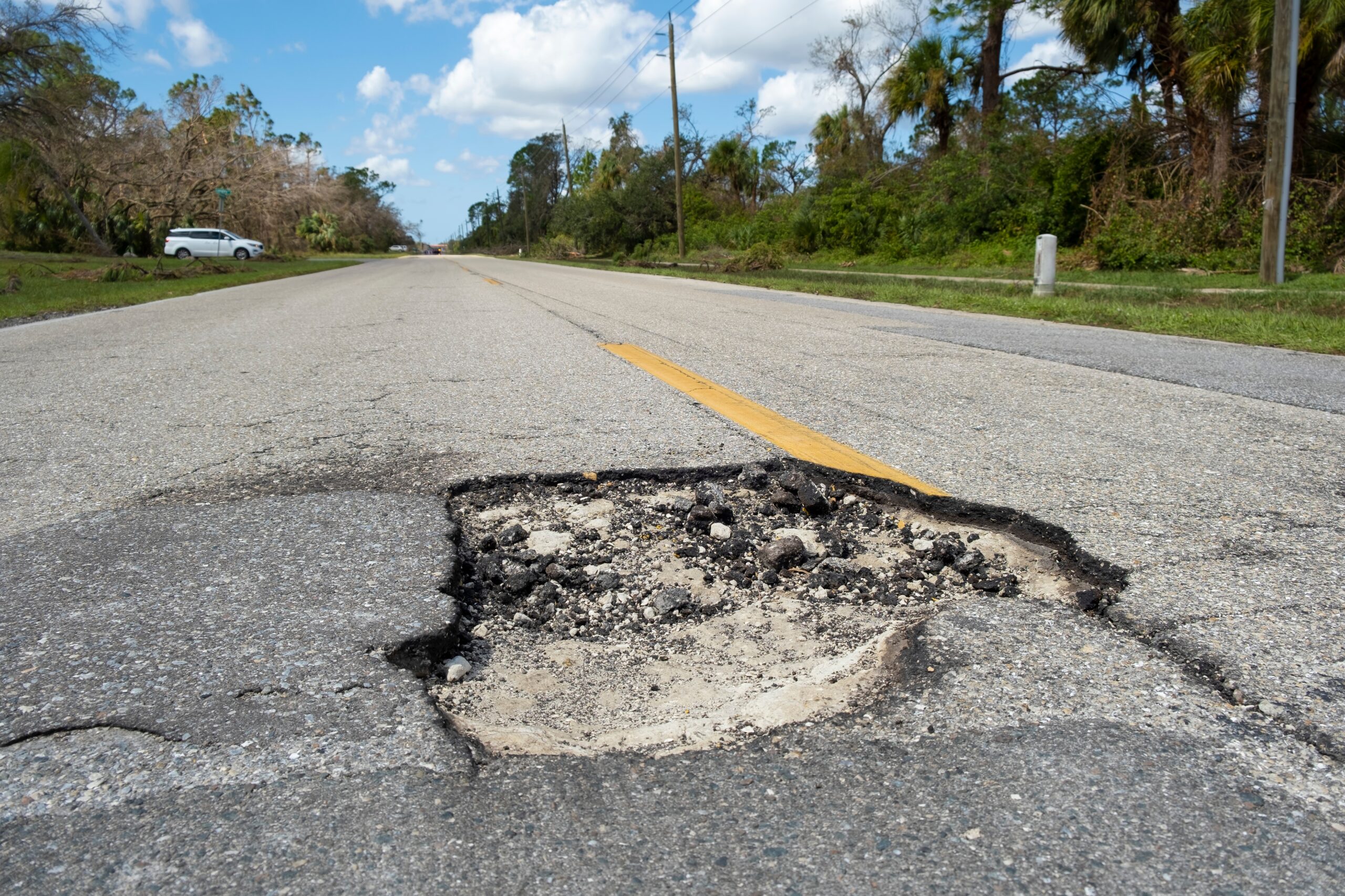
How to Prevent Asphalt Damage in Colorado Springs with Regular Maintenance
October 5, 2025
Asphalt maintenance encompasses a range of proactive measures designed to preserve the integrity and extend the lifespan of asphalt surfaces, including driveways, parking lots, and roadways. According to the Federal Highway Administration (FHWA), implementing pavement preservation strategies, such as crack sealing and sealcoating, can extend the lifespan of asphalt pavements by several years while reducing
Read