
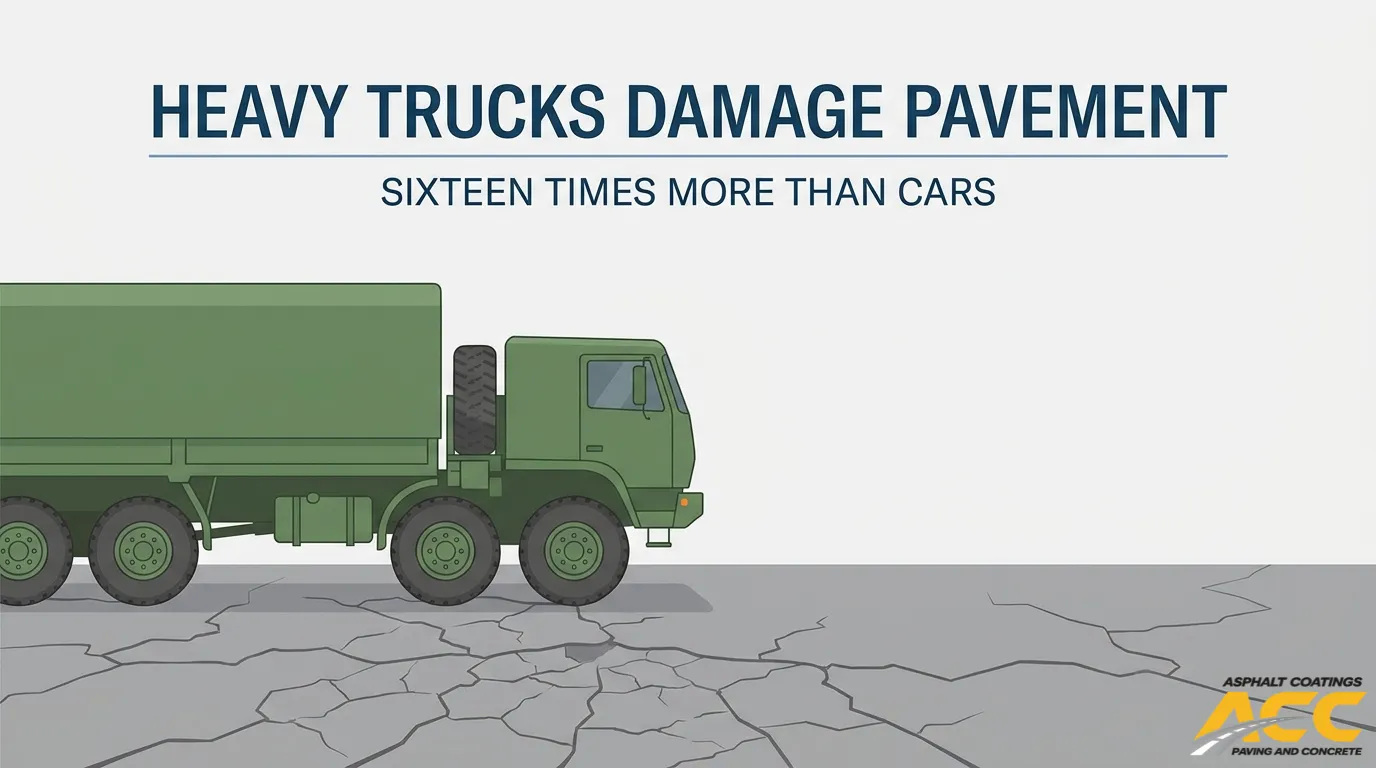
How Does Heavy Truck Traffic Near Fort Carson Shorten Pavement Life?
June 24, 2026
Heavy truck traffic near Fort Carson shortens pavement life by subjecting roads and parking lots to repeated military-grade loads that cause exponentially more damage than passenger vehicles. Pavement deterioration under these conditions follows a power-of-four relationship, meaning doubled vehicle weight produces roughly 16 times more structural harm. This guide covers Fort Carson’s traffic generation and
Read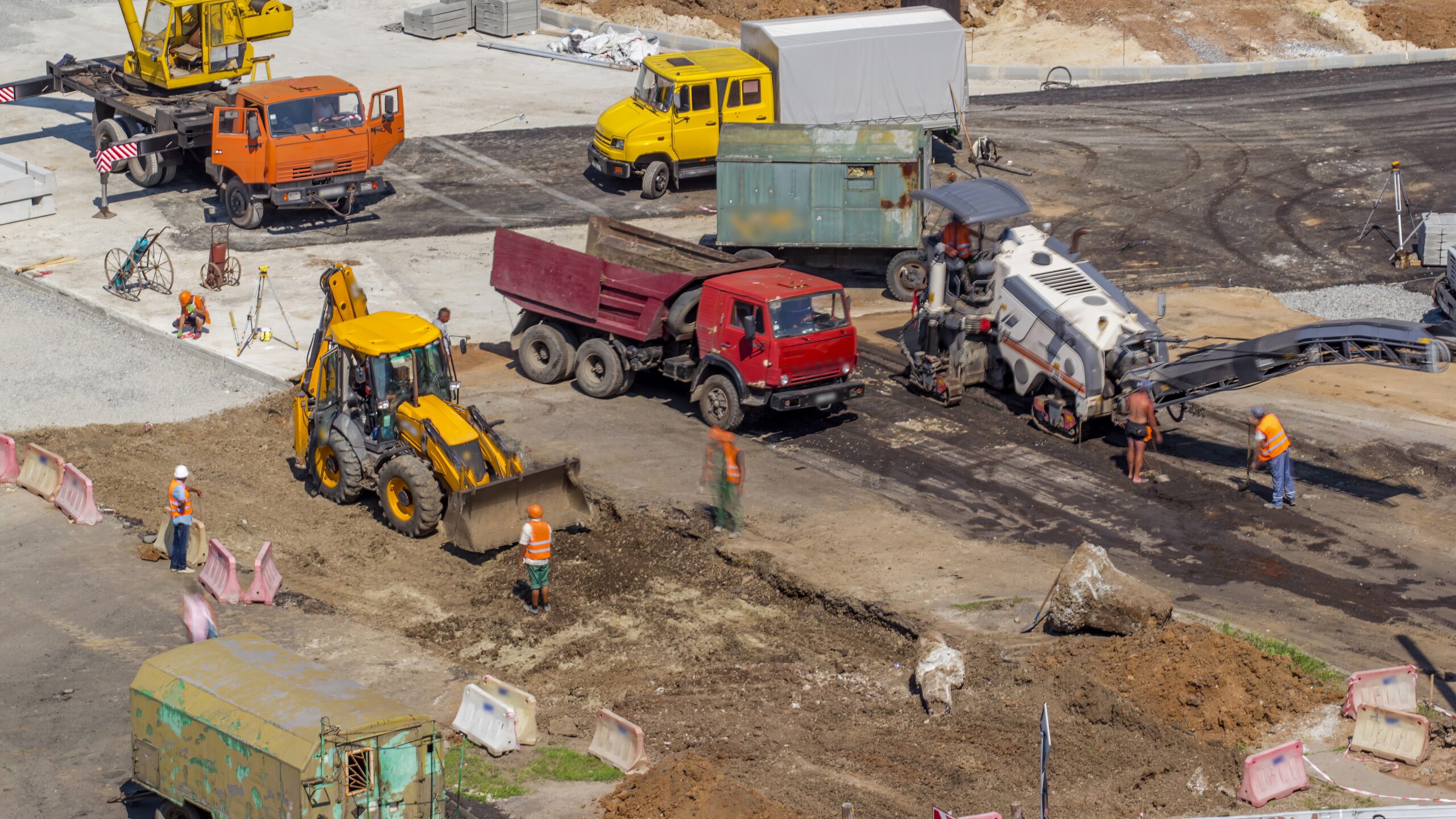
Improving Commercial Curb Appeal with Decorative Concrete in Colorado Springs
November 22, 2025
First impressions matter for every commercial property. In Colorado Springs, where architectural beauty meets rugged mountain terrain, businesses are increasingly turning to decorative concrete to enhance curb appeal. This versatile material not only adds visual charm but also offers long-term durability, low maintenance, and cost efficiency. The Association of Realtors (NAR) Remodeling Impact Report shows
Read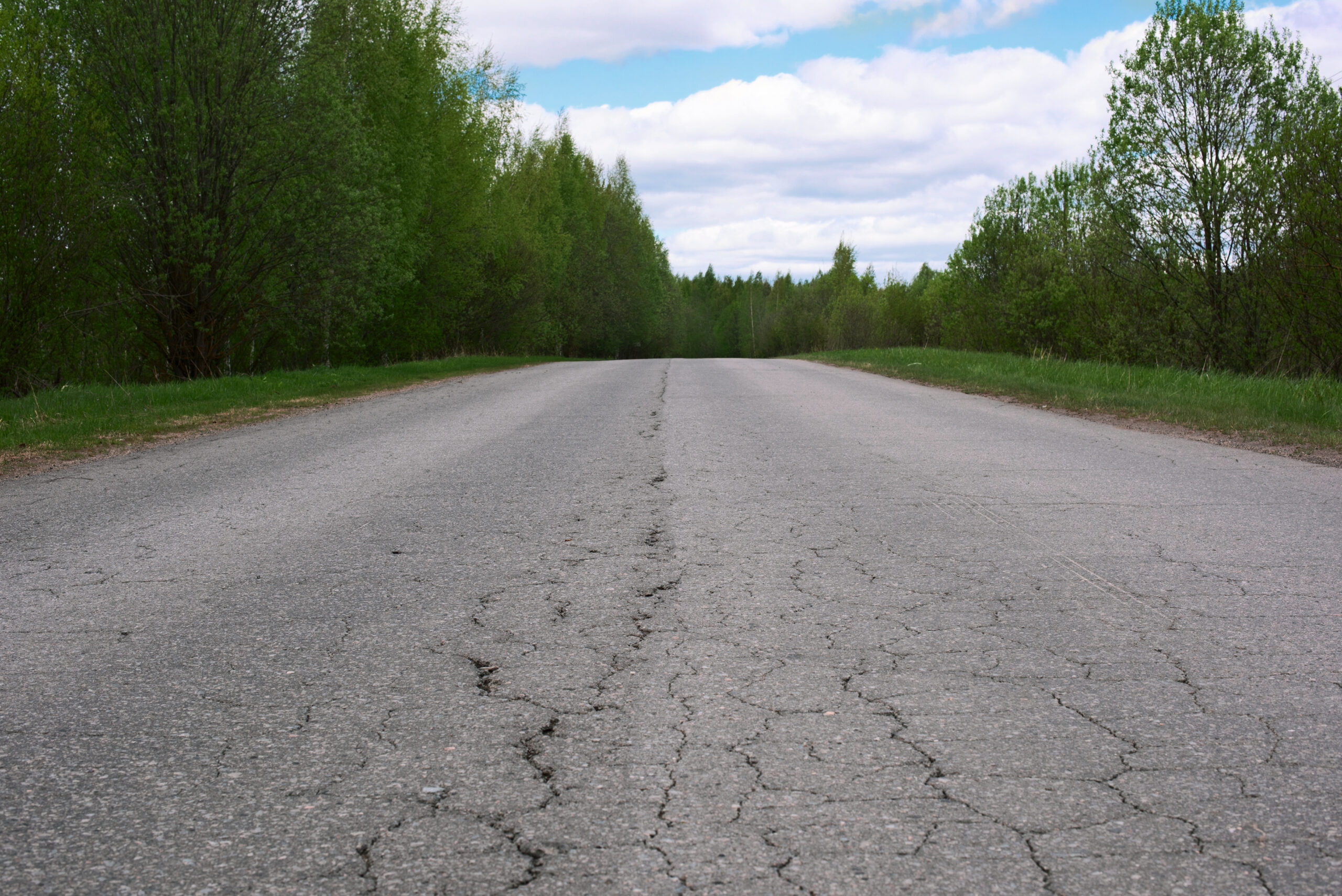
Why Timely Crack Sealing Saves Thousands for Colorado Springs Businesses
November 22, 2025
Maintaining commercial asphalt surfaces in Colorado Springs is more than routine upkeep. It is a strategic investment that impacts safety, curb appeal, and long-term costs. Harsh winter freeze-thaw cycles, heavy snow, and constant traffic can turn even small cracks into major problems. Left untreated, these fissures allow water to seep in, leading to potholes, structural
Read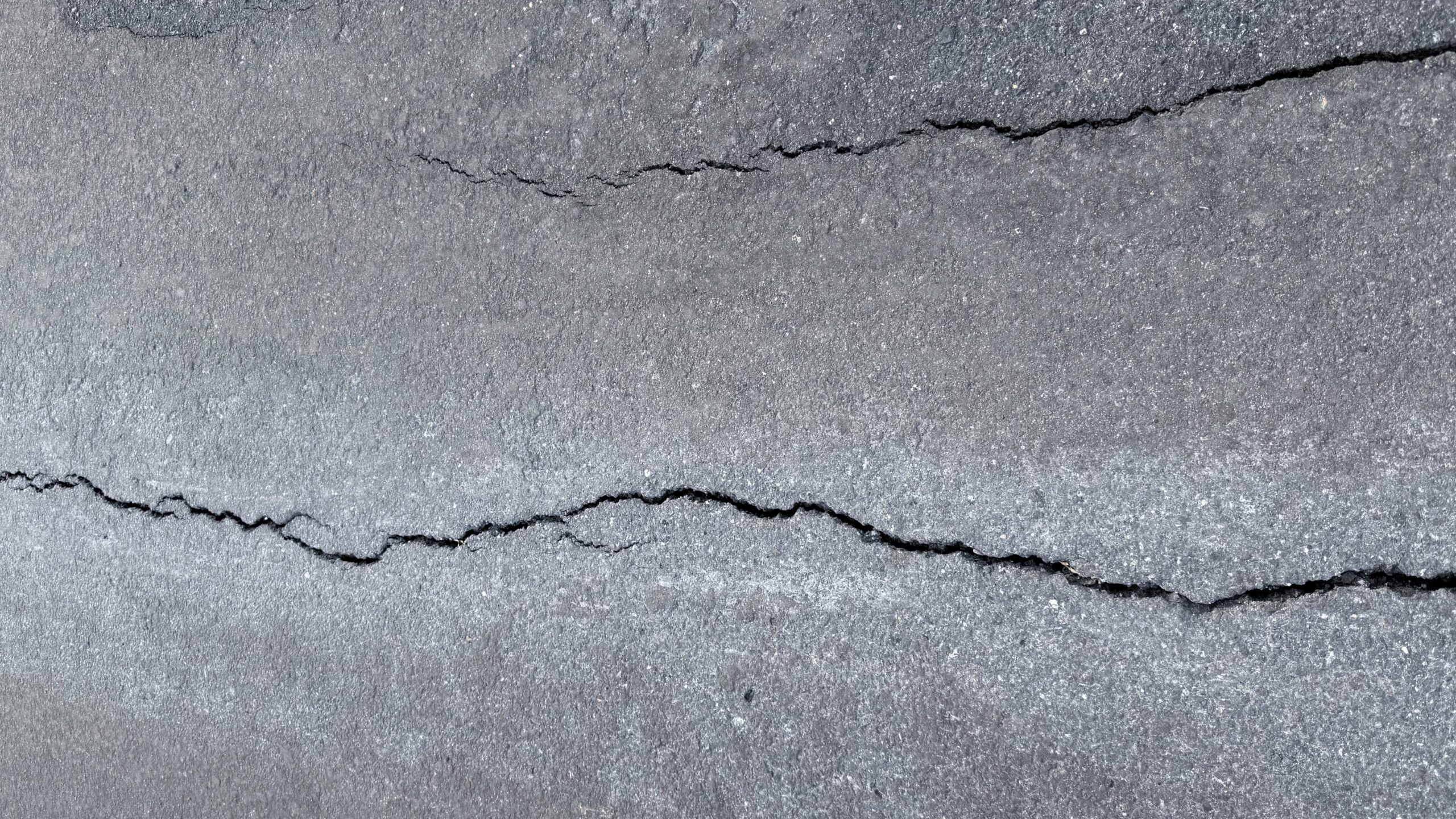
Crack Sealing vs. Patching: What’s Best for Denver’s Changing Climate
November 22, 2025
Denver’s weather is unpredictable. A sunny morning can turn into a freezing evening, and snowmelt one day may refreeze by the next. These constant temperature swings put serious stress on paved surfaces. Asphalt expands and contracts, moisture seeps in, and small cracks can quickly grow if left untreated. For property owners, choosing the right repair
Read