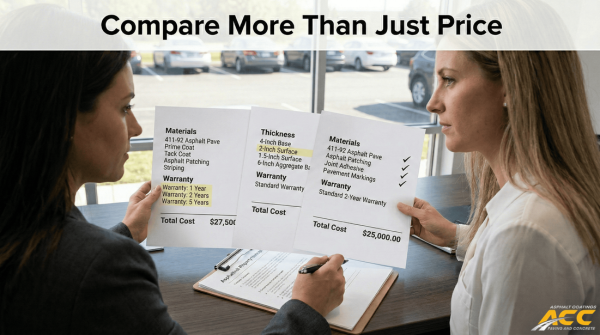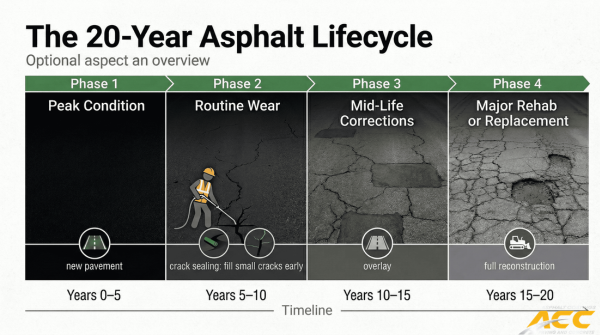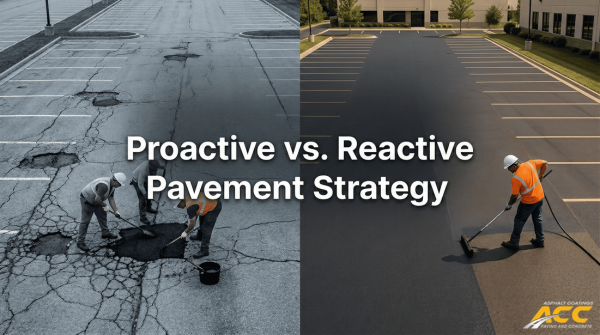
When we’re evaluating commercial asphalt paving estimates, we understand the stakes are high—with projects typically ranging from $20,000 to $210,000, even small oversights can lead to significant financial losses. If you’re concerned about falling victim to contractor fraud or selecting an unreliable paving company, you’re in the right place. We’ll guide you through the critical warning signs that separate legitimate contractors from those who might compromise your investment.
Commercial asphalt paving estimates are comprehensive documents that detail the scope of work, materials specifications, costs, and timeline for resurfacing or installing new pavement on commercial properties. According to the Institute for Justice in 2025, 24 states require licenses for commercial paving contractors, making proper documentation and transparency essential indicators of legitimacy. The Federal Trade Commission reported 81,925 home improvement scams in 2024, with total losses reaching $274 million—highlighting why scrutinizing estimates has never been more critical.
“When evaluating paving estimates, the presence of detailed specifications isn’t just helpful—it’s essential. Vague bids lacking detail are the most common indicators of potential contractor fraud,” states the Raleigh Paving Company’s 2025 industry analysis on identifying asphalt paving scams.
- Understanding estimate importance: Clear commercial estimates must include excavation depth, sub-base specifications, asphalt thickness, compaction process, and drainage planning to ensure project longevity.
- Common pricing red flags: Watch for estimates significantly below the 2025 market rate of $2.50-$7.00 per square foot or demands for deposits exceeding 30% of total project cost.
- Material and workmanship concerns: Legitimate estimates specify hot-mix asphalt grades ($100-$200 per ton) and include written warranties covering 1-3 years for defects.
- Licensing and insurance verification: Contractors must provide proof of general liability insurance (averaging $77/month), workers’ compensation ($260/month), and state registration numbers.
- Payment structure warnings: Industry-standard deposits range 10-30%, with progress payments tied to completion milestones and net-30 terms for final invoicing.
- Communication and professionalism: Reputable contractors conduct on-site inspections, provide detailed written estimates, maintain responsive communication, and offer verifiable references.
- Protection strategies: Request lien releases, verify contractor credentials, obtain multiple bids, and ensure all specifications are documented in writing before signing.
- Asphalt Coatings Company advantages: We provide transparent estimates, maintain full licensing and insurance, use regional-appropriate materials, and offer standard 1-3 year warranties.
The commercial paving industry has evolved significantly, with legitimate contractors now providing comprehensive documentation that protects both parties. Professional estimates serve as binding agreements that outline every aspect of your project, from the initial site preparation through the final compaction and finishing work. By understanding the key components of a proper estimate and recognizing red flags, we can make informed decisions that protect our investments and ensure successful project outcomes.
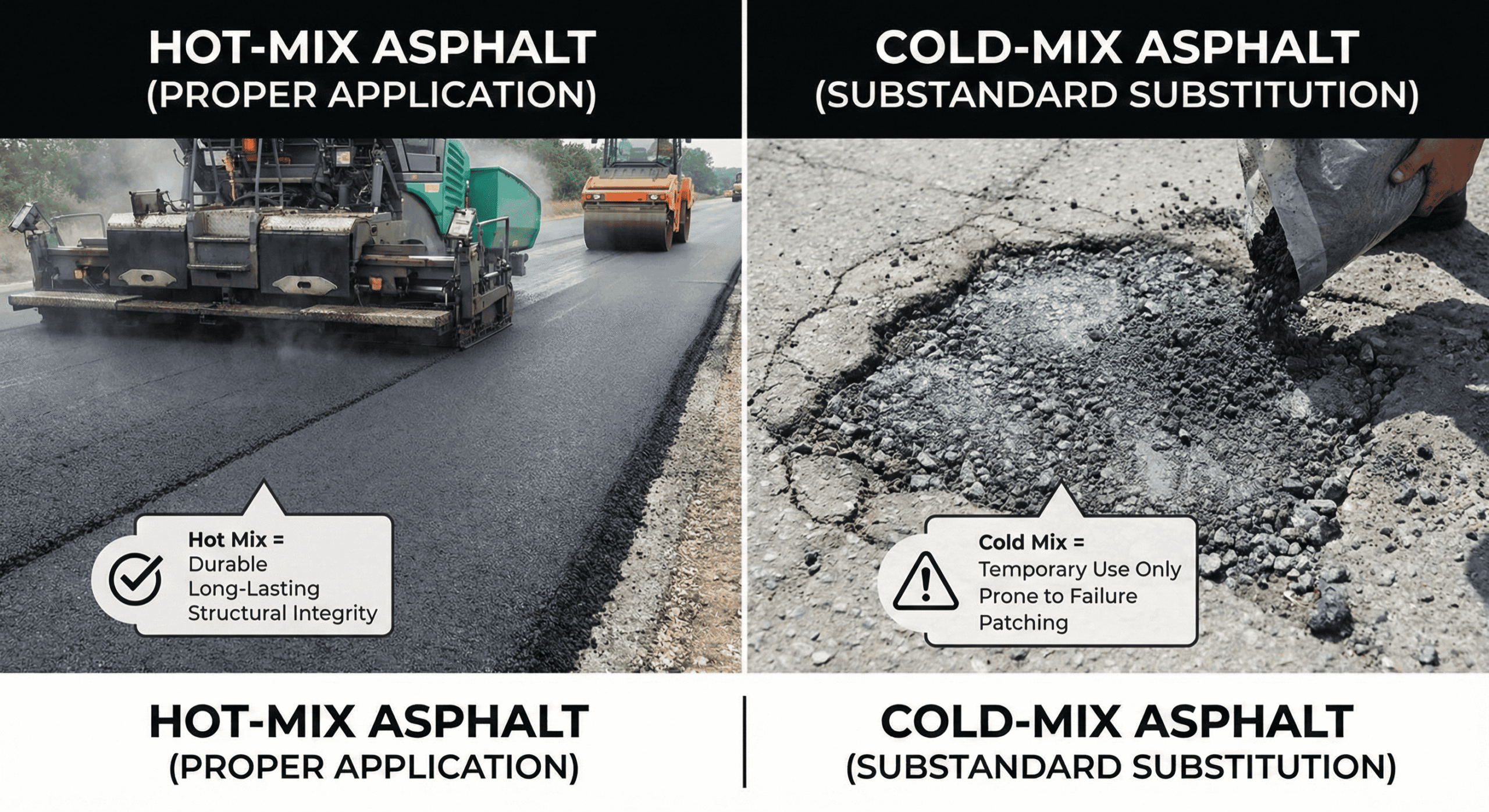
We implement rigorous vetting processes to identify substandard materials—such as contractors proposing cold-mix asphalt at $80-$120 per ton for commercial applications when hot-mix at $100-$200 per ton is the industry standard—and ensure proper installation techniques that maximize pavement longevity.
As we prepare to examine each critical aspect of commercial paving estimates, remember that protecting your investment starts with asking the right questions and demanding transparency from potential contractors.
Why Is Understanding Your Asphalt Paving Estimate Important?
Understanding your asphalt paving estimate is essential for protecting your investment and ensuring project success. Commercial paving projects require significant capital, and unclear estimates can lead to budget overruns, substandard work, or contractor fraud. A comprehensive estimate provides transparency about materials, labor, timeline, and costs while establishing clear expectations between you and your contractor.
What Should a Clear Commercial Asphalt Paving Estimate Include?
A clear commercial asphalt paving estimate includes specific components that demonstrate contractor professionalism and project planning. Professional estimates detail the scope of work including excavation depth, sub-base material type and thickness, asphalt binder and surface layer thickness, and compaction process specifications.
Materials specifications list the exact type and grade of asphalt mix, such as hot mix asphalt, and gravel specifications for the base layer. Labor and equipment costs appear as separate line items with clear breakdowns. The project timeline shows estimated start and completion dates.
Additional elements include:
- Site preparation, drainage, and grading specifications
- Gas/mileage, insurance, taxes, and fees
- Company street address, phone number, and email
- State registration number
- Pricing structure (lump sum or unit price)
- Quantities and unit prices for unit-price estimates
These details create accountability and prevent misunderstandings about project scope and costs.
How Can Ambiguity or Lack of Detail Signal a Red Flag?
Ambiguity or lack of detail signals a red flag because vague bids are common indicators of potential contractor fraud. Estimates without precise information about the project and services create “gray areas” that enable cost inflation after work begins.
Missing water drainage discussions indicate the contractor may overlook this critical longevity factor. Absence of materials specifications appropriate for your specific job suggests inadequate planning or corner-cutting intentions. Contractors who skip on-site inspections before creating estimates demonstrate an unprofessional approach that often leads to inaccurate pricing and unexpected complications.
These omissions leave property owners vulnerable to change orders, inferior materials substitution, and incomplete work. Understanding estimate requirements helps you identify contractors who may deliver substandard results or engage in fraudulent practices.
What Are the Most Common Pricing Red Flags in Commercial Paving Estimates?
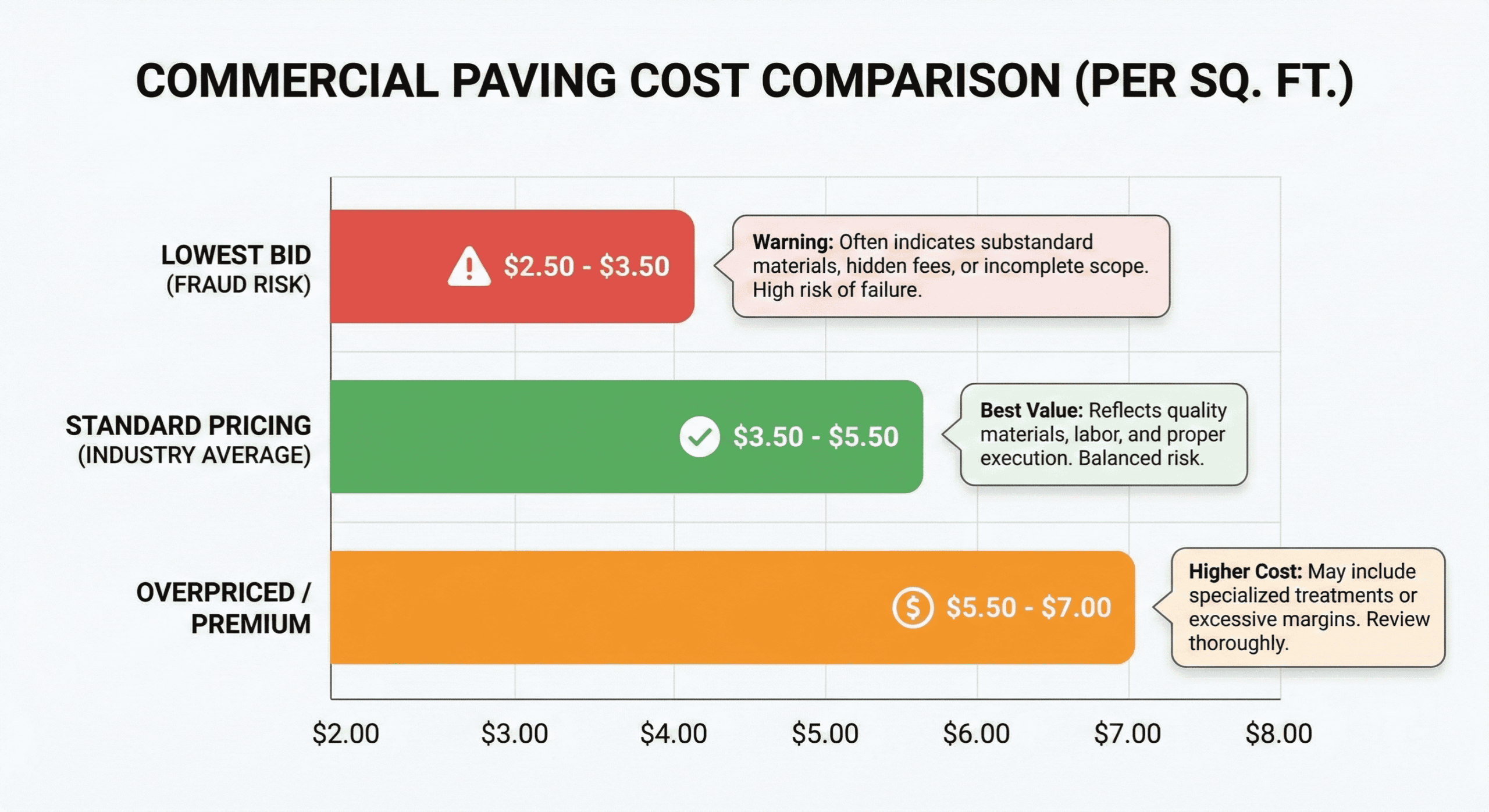
The most common pricing red flags in commercial paving estimates are unexpectedly low pricing, hidden fees, and too-good-to-be-true offers that signal potential fraud or substandard work. Commercial parking lot costs typically range from $2.50 to $7.00 per square foot in 2025, with small 5,000-square-foot lots costing $20,000 to $35,000 and large 30,000-square-foot lots ranging from $120,000 to $210,000. Understanding these baseline costs helps identify suspicious pricing patterns. The following subsections examine specific pricing concerns that indicate contractor unreliability.
Why Might an Estimate Have Unexpectedly Low or High Pricing?
Unexpectedly low or high pricing occurs when contractors plan to cut corners, add hidden costs later, or lack proper cost estimation expertise. Hot-mix asphalt material costs range $100 to $200 per ton nationally, while installation labor adds $2 to $6 per square foot. Total installed costs should range $7 to $13 per square foot for standard commercial projects. Prices significantly below these market rates indicate contractors planning corner-cutting measures such as using inferior materials, reducing asphalt thickness, or skipping essential preparation steps. Abnormally high pricing suggests either contractor inexperience or deliberate overcharging targeting uninformed clients.
How Do Hidden Costs and Fees Impact Your Project Budget?
Hidden costs and fees impact project budgets through surprise charges, scope creep, and mismanagement expenses that add 5% to 15% to total costs. Scammers quote low prices, collect upfront payment, then invent costly “problems” requiring additional funds. According to industry data on project management failures, the direct cost of inadequate project management adds 5% to 15% to total project budgets—meaning a typical $8 million commercial project faces $400,000 to $1.2 million in additional costs.
Transportation adds approximately $0.15 to $0.25 per ton-mile to material costs. Removal of existing pavement adds $1 to $3 per square foot when not included in initial estimates. These hidden expenses transform seemingly competitive bids into budget-breaking projects.
What Does “Too Good to Be True” Pricing Usually Indicate?
“Too good to be true” pricing usually indicates fraud schemes, substandard work plans, or contractors lacking proper business infrastructure. The “leftover asphalt” scam offers suspiciously low rates claiming material must be used immediately, yet legitimate pavers return leftover asphalt to processing facilities for recycling rather than offering door-to-door deals. Commercial construction fraud represents up to 10% of costs industry-wide, totaling approximately $98 billion annually.
A recent industry survey found that 75% of commercial construction, engineering, and infrastructure companies reported experiencing at least one fraud incident within a single year. Prices significantly lower than competing bids signal these fraudulent operations targeting unsuspecting property owners.
How Can Material and Workmanship Concerns Show Up as Estimate Red Flags?
Material and workmanship concerns in asphalt paving estimates reveal contractor reliability through specification details, material choices, and warranty terms. Standard hot-mix asphalt costs $100-$150 per ton, while premium options reach $200 per ton. Commercial sites require 3-8 inches of depth for proper durability. The following subsections examine how material specifications, substitution risks, and warranty terms signal potential problems.
What Does the Specification of Materials in the Estimate Reveal?
The specification of materials in the estimate reveals contractor expertise and project quality through asphalt type, thickness requirements, and pricing accuracy. Hot-mix asphalt costs $100-$150 per ton for standard grade and $150-$200 per ton for premium grade. Polymer-modified asphalt ranges $150-$220 per ton, providing enhanced durability for high-traffic areas.
Cold-mix asphalt at $80-$120 per ton suits temporary repairs but fails commercial applications. Recycled asphalt costs $10-$20 per ton and serves specific base applications only. Commercial parking lots require 4 inches thickness for light-duty areas on solid subgrade. Heavy commercial vehicle zones need 6-8 inches minimum thickness to prevent premature failure.
These material specifications directly impact project longevity and maintenance costs over the pavement’s lifecycle.
How Can You Identify Substandard Material Substitutions?
Substandard material substitutions appear through inappropriate asphalt mix selection, insufficient quantities, and regional mismatches. Wrong asphalt mix selection for regional weather patterns causes premature pavement failure within 2-3 years. Insufficient asphalt quantity in the mix creates structural failures and surface deterioration.
Minimum lift thickness must equal at least 3 times the nominal maximum aggregate size for proper compaction. Northeast regions require higher-grade materials to withstand freeze-thaw cycles averaging 30-40 annually. UV-resistant materials suit hot climates, while freeze-resistant formulations protect cold-climate pavements.
Material substitutions often emerge when contractors offer prices 30-40% below market rates, signaling corner-cutting intentions that compromise pavement integrity.
How Do Vague Workmanship Guarantees Signal a Problem?
Vague workmanship guarantees signal contractor unreliability through missing documentation, unclear terms, and limited coverage periods. Reputable contractors provide written warranties covering materials and workmanship defects for 1-3 years minimum. Highway agency projects typically warrant 1-4 years of coverage, establishing industry benchmarks.
Warranties must specify coverage for both materials and workmanship defects with clear exclusion listings. Written warranty documentation protects property owners from repair costs averaging $15,000-$25,000 for premature failures. Absence of warranty documentation indicates contractors lacking confidence in their work quality.
Professional warranties outline claim procedures, coverage limitations, and transferability terms, providing comprehensive protection for commercial property investments.
What Licensing, Insurance, or Compliance Red Flags Appear in Estimates?
Licensing, insurance, and compliance documentation in estimates reveals whether a contractor operates legally and protects clients from liability. Missing or inadequate coverage creates financial risks that extend far beyond project costs.
Why Is Proof of Licensing and Insurance So Important in Estimates?
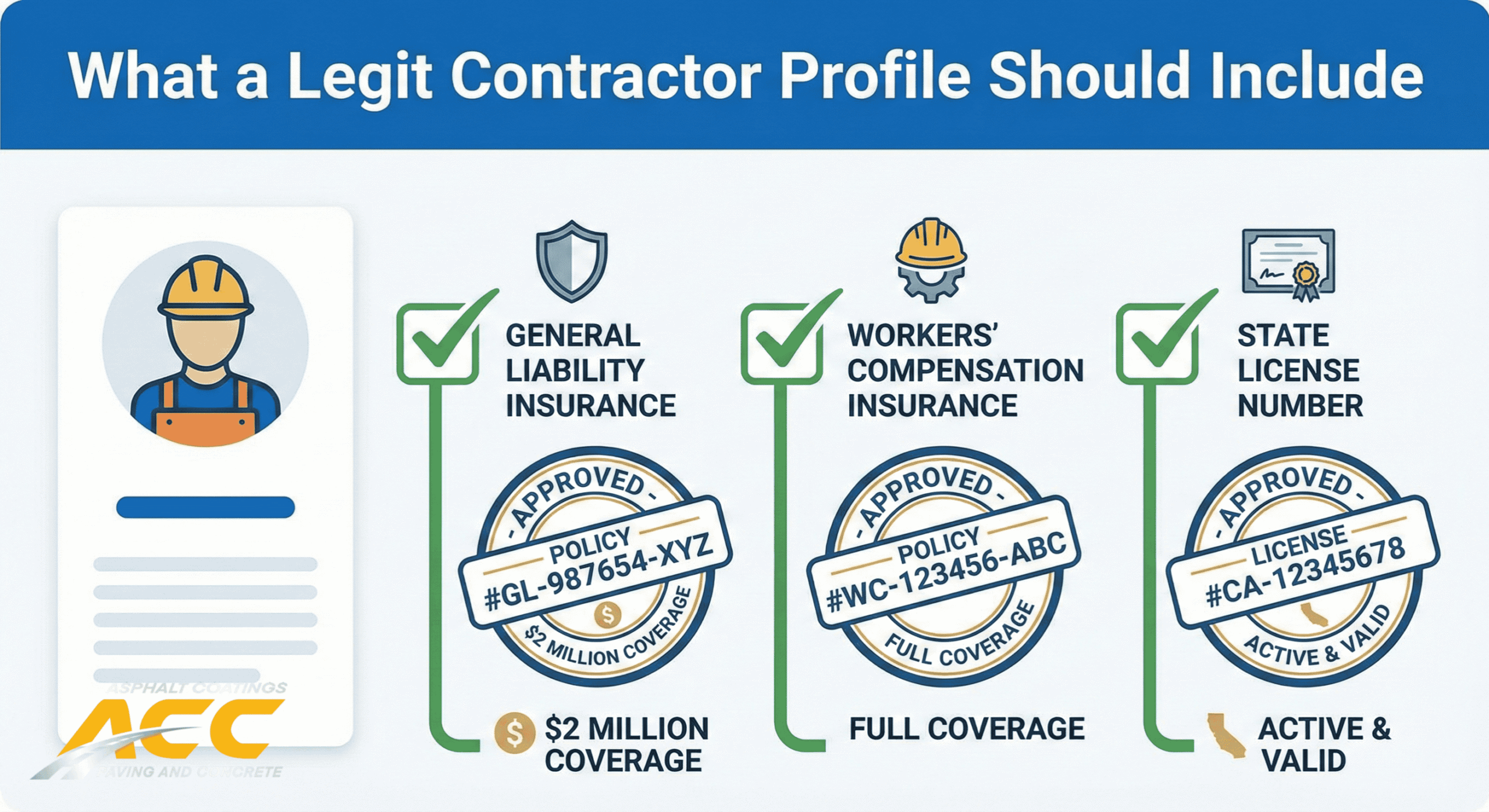
Proof of licensing and insurance in estimates is important because it verifies legal operation and financial protection. A 2023 industry survey found that 24 states require licenses for commercial paving contractors. General liability insurance averages $77 per month with typical limits of $1 million per occurrence and $2 million aggregate.
Workers’ compensation insurance costs contractors an average of $260 per month. Commercial auto insurance adds $173 per month for contractor vehicles. California exemplifies strict requirements with its C-12 license mandate, requiring minimum $1 million general liability insurance and a $25,000 license bond.
Small paving contractors pay at least $5,000 annually for comprehensive insurance packages. Public works projects and large commercial jobs typically require contractor bonds beyond standard insurance. These requirements protect property owners from assuming liability for accidents, damages, or incomplete work.
How Might Non-Compliance With Regulations Cost You Later?
Non-compliance with regulations costs property owners through legal liability and financial losses. Unlicensed contractors leave property owners liable for workplace injuries and property damage. Workers’ compensation non-compliance transfers legal liability directly to clients when injuries occur.
Proper bonding provides recourse when contractors abandon projects. Without bonds, clients have no guaranteed recovery method for incomplete work. License acquisition varies dramatically across states, ranging from 0 days in 11 states to 1,463 days in Oregon.
License fees range from $0 in Nebraska to $1,040 in Nevada. Fifteen states require contractors to pass examinations for licensing. These variations mean contractors operating across state lines must maintain multiple licenses and insurance policies, which legitimate businesses willingly document in their estimates.
How Do Payment Terms in an Estimate Act as Red Flags?
Payment terms reveal contractor legitimacy through deposit amounts and payment structure. Legitimate contractors request 10-30% deposits while fraudsters demand 50% or more upfront. The payment schedule structure directly indicates whether you’re dealing with an established business or potential scammer.
What Kind of Payment Schedules Should Raise Concern?
Payment schedules should raise concern when contractors request unusually large upfront deposits, demand full payment before completion, or fail to tie payments to completed project milestones. The typical legitimate deposit ranges from 10-30% of total project price. Standard practice involves modest initial deposit followed by progress payments aligned with project milestones.
Payment structuring based on completion of specific project phases protects both parties. Net-30 payment terms are industry standard for contractors. Common practice for larger projects involves billing at end of each month for work performed. A 2023 construction industry survey found only 11% of construction companies regularly charge interest or fees for late payments.
Red flags in payment schedules include:
- Front-loaded payment requests exceeding 30% before work begins
- Demands for full payment before project completion
- Lack of connection between payments and completed work phases
- Absence of written payment terms in the contract
These payment schedule concerns indicate contractors lacking financial stability or planning to abandon projects after collecting deposits.
Should Upfront Payment Requests Be Considered a Warning Sign?
Yes. Upfront payment requests of 50% or more before work begins are a warning sign that often indicates potential fraud or financial instability. Cash-only payment demands signal scammers avoiding paper trails. Established contractors have accounts with materials suppliers and don’t need large upfront payments for standard commercial projects.
High-pressure sales tactics accompanying payment demands indicate fraudulent intent. There are many warning signs in payment requests, such as urgency claims, limited-time offers, and refusal to provide written agreements. Legitimate contractors accept multiple payment methods and provide proper documentation including receipts, invoices, and payment schedules.
The conditions for reasonable upfront payments are materials-heavy custom orders, specialized equipment rental, or documented mobilization costs. Even in these cases, deposits should not exceed 30% without clear justification and written agreements.
Understanding payment term red flags protects your business from the billions lost annually to contractor fraud while ensuring you work with financially stable, professional paving contractors.
What Communication and Professionalism Issues Present as Estimate Red Flags?
Communication and professionalism issues in estimates are critical indicators of contractor reliability. Poor responsiveness and unwillingness to answer questions signal potential problems that extend beyond the estimate phase into project execution.
How Can Lack of Responsiveness Signal Potential Problems?
Lack of responsiveness signals potential problems through multiple behavioral patterns that indicate an unreliable contractor. Contractors who fail to provide follow-up communication after delivering initial estimates demonstrate organizational deficiencies. Professional contractors conduct on-site inspections before creating estimates, while unprofessional operators skip this essential step.
Legitimate contractors review customer needs and expectations thoroughly before finalizing estimates. The absence of branded materials—such as letterhead, logos, uniforms, or marked company vehicles—indicates an unprofessional operation lacking established business infrastructure.
These communication failures often predict project management problems, including missed deadlines, budget overruns, and abandoned work sites.

Why Does a Contractor’s Willingness to Answer Questions Matter?
A contractor’s willingness to answer questions matters because legitimate contractors walk clients through each line of their estimate transparently. Professional contractors demonstrate expertise by explaining materials specifications and execution methods clearly. Their willingness to provide references from past clients shows confidence in completed work quality.
A customer-centered approach prioritizing satisfaction distinguishes reliable contractors from fraudulent operators. Contractors should discuss water drainage implications, as proper drainage extends asphalt longevity by preventing premature deterioration. Technical knowledge of materials—such as polymer-modified asphalt benefits or appropriate base layer thickness—should be evident during estimate discussions.
Contractors who avoid questions or provide vague responses typically lack the expertise or intention to complete projects properly. Understanding these communication red flags helps property owners select reliable contractors for their commercial paving projects.
How Should You Proceed if You Notice Red Flags in an Asphalt Paving Estimate?
Red flags in asphalt paving estimates require immediate action to protect your investment. Property owners who identify warning signs before signing contracts avoid costly mistakes and potential fraud. The following steps provide clear protection strategies and guidance on when to seek expert assistance.
What Steps Can You Take to Protect Yourself Before Signing?
The steps to protect yourself before signing include requesting lien releases, verifying credentials, and documenting all terms in writing. Request releases of lien from all subcontractors and suppliers before final payment. Verify the contractor’s state registration number and licensing status through official databases.
Obtain a certificate of insurance showing general liability coverage of at least $1 million per occurrence and workers’ compensation coverage. According to a 2025 insurance industry report, contractors without proper coverage leave property owners liable for workplace injuries averaging $42,000 per incident.
Critical contract elements protect your interests:
- Detailed scope of work including excavation depth and materials
- Total cost breakdown with payment schedule milestones
- Project timeline with specific start and completion dates
- Specification of lump sum versus unit pricing structure
- Field measurement provisions for unit price contracts
Request lien waivers upon completion of each payment installment. Get all payment terms and project specifications documented in writing before work begins.
When Should You Seek Additional Bids or Consult an Expert?
You should seek additional bids when the initial estimate varies more than 20% from expected market rates of $2.50-$7.00 per square foot. A 2024 construction fraud study by the Association of Certified Fraud Examiners found that estimates outside this range correlated with project disputes in 73% of cases.
Consult an expert immediately if the contractor cannot provide a portfolio of completed projects. Seek additional opinions when contractors lack verifiable references or online reviews. Get competing bids if contractors refuse written warranty documentation.
Professional consultation becomes essential when:
- Estimates lack materials specifications or thickness requirements
- Payment terms exceed 30% upfront deposit
- Contractors cannot explain technical aspects of drainage or compaction
- Company information appears incomplete or unverifiable
Word of mouth remains the strongest indicator of contractor reputation in commercial paving. Industry surveys show that 82% of successful projects come from contractors with strong local references. These protective steps ensure your commercial paving investment receives proper oversight and professional execution.
How Can Asphalt Coatings Company Help You Avoid Red Flags in Commercial Asphalt Paving Estimates?
Asphalt Coatings Company protects businesses from contractor fraud through transparent pricing, verified credentials, and proven quality standards. The company demonstrates reliability through detailed estimates, proper licensing, and comprehensive warranty coverage that distinguishes legitimate contractors from potential scammers.
Why Should You Trust Asphalt Coatings Company With Your Commercial Paving Project?
Asphalt Coatings Company brings proven experience with years in business and a portfolio showcasing successful commercial projects. The company provides transparent estimates outlining complete scope, materials, costs, and realistic timelines. Full licensing and insurance include general liability coverage of $1 million per occurrence, workers’ compensation averaging $260 monthly, and commercial auto coverage at $173 monthly.
High-quality materials appropriate for specific regional climate and traffic conditions ensure project longevity. The company specifies hot-mix asphalt at $100-$200 per ton for standard applications and polymer-modified asphalt at $150-$220 per ton for enhanced durability. Attention to detail in grading, compaction, drainage, and finishing work prevents the 5-15% cost overruns common in mismanaged projects.
Standard warranty coverage spans 1-3 years for materials and workmanship defects. Established payment terms include modest deposits of 10-30% with progress-based payment schedules aligned to project milestones. This approach contrasts with fraudulent contractors demanding 50% or more upfront.
What Are the Main Takeaways About Identifying Red Flags in Commercial Asphalt Paving Estimates?
The main takeaways about identifying red flags are pricing inconsistencies, documentation gaps, and payment irregularities. Legitimate commercial paving costs $2.50-$7.00 per square foot in 2025. Professional estimates must include detailed scope, materials specifications, timeline, and itemized costs. Small commercial lots of 5,000 square feet normally cost $20,000-$35,000.
Deposits exceeding 30% or cash-only payment demands indicate potential fraud. Contractors must provide proof of licensing, insurance, and bonding where required. A 2023 study reveals 24 states require licenses for commercial paving contractors. Written warranties covering 1-3 years for materials and workmanship are industry standard.
Vague estimates, missing company information, or unwillingness to answer questions signal unreliable contractors. Commercial construction fraud reaches up to 10% of costs, approximately $98 billion annually. Proper site preparation, drainage planning, and appropriate material selection determine project longevity—factors Asphalt Coatings Company prioritizes in every estimate.