
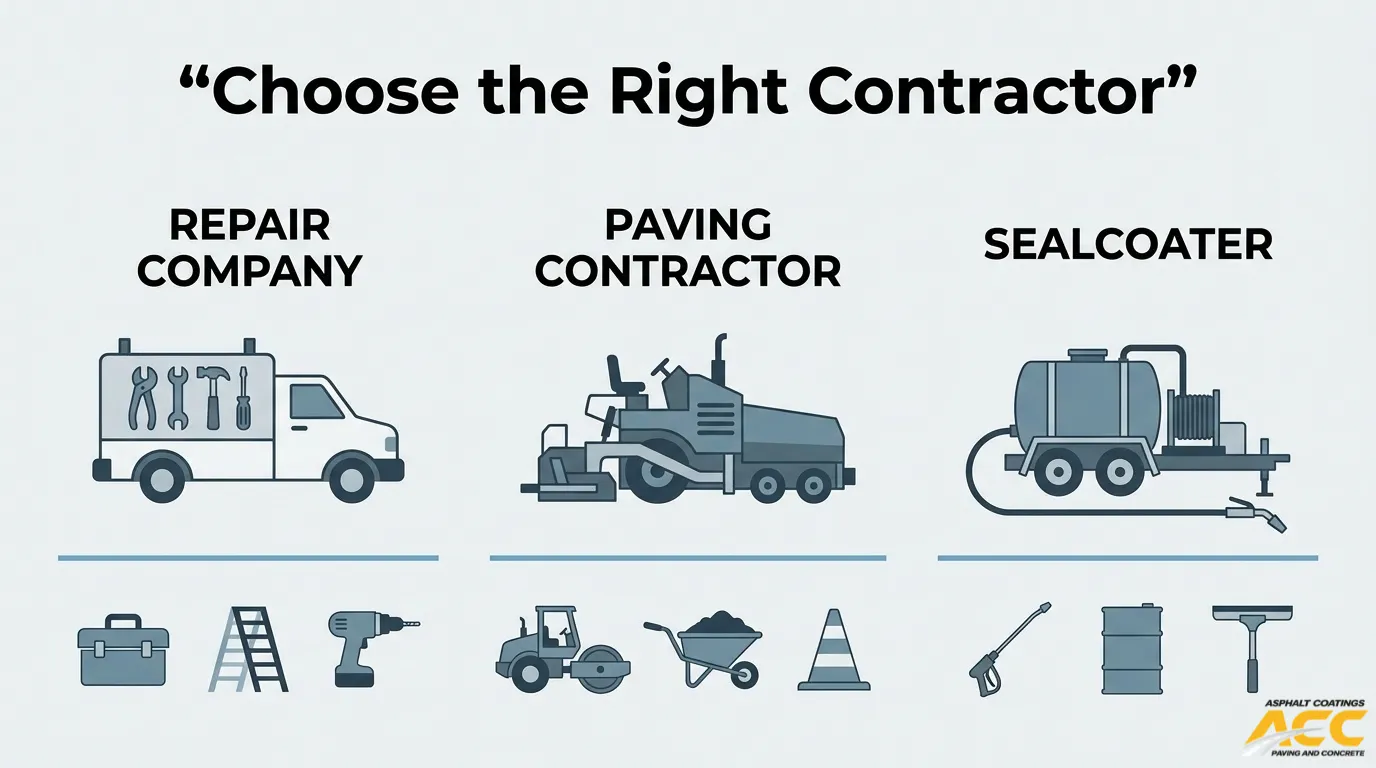
Parking Lot Repair Company vs. Paving Contractor vs. Sealcoater: Who Should You Call for Each Parking Lot Problem?
October 9, 2026
A parking lot repair company, a paving contractor, and a sealcoater are three distinct contractor types, each built to solve a different category of asphalt damage. Calling the wrong one wastes budget and leaves the actual problem unresolved. This guide covers contractor distinctions and licensing, problem-to-contractor matching, when to call each specialist, crack and joint
Read
Asphalt Paving: A Comprehensive Guide
September 6, 2025
Asphalt paving is the paving of asphalt cement, which is further utilized in the production of smooth and durable surfaces. According to the National Asphalt Pavement Association (NAPA), 2.7 million miles of the United States’ roads are surfaced with asphalt; thus, asphalt is the most common paving material in the United States. It is highly
Read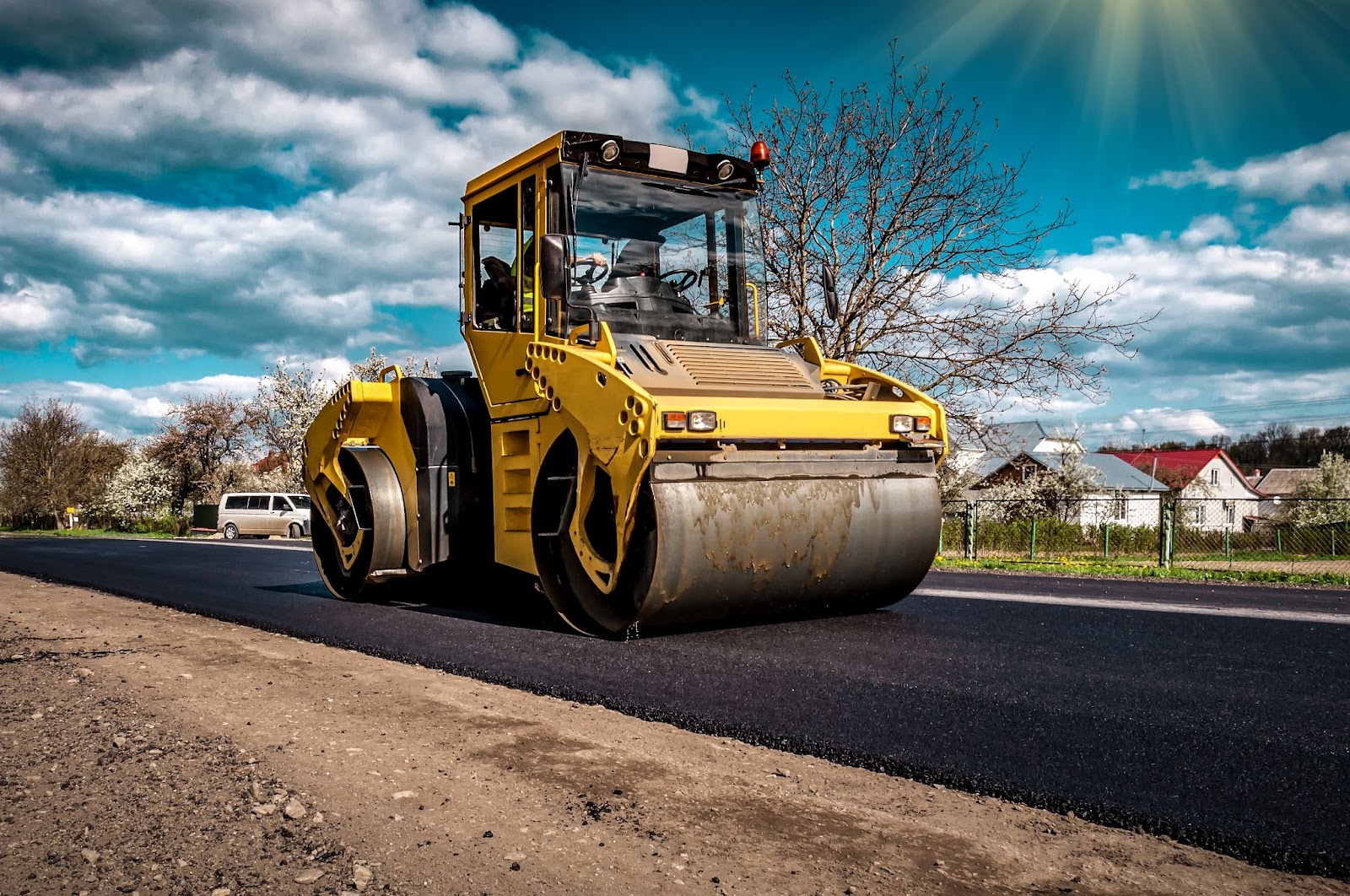
Asphalt & Concrete Solutions: The Complete Guide
September 6, 2025
Asphalt and concrete solutions concern the construction, maintenance, and repair of paved surfaces. These products are key infrastructure components, providing safety, accessibility, and aesthetics on residential, commercial, and municipal projects. Asphalt is appreciated due to its malleability, smoothness, and economical cost and is, therefore, the most desirable surface in most roads and parking spaces. Concrete
Read
How Recycled Asphalt Benefits Your Next Colorado Repair
August 7, 2025
Recycled asphalt repair in Colorado offers a cost-effective and eco-friendly solution for maintaining commercial parking lots and roads. In Denver and Aurora, harsh weather conditions like freeze-thaw cycles, intense UV exposure, and heavy snow accelerate pavement wear, making durable repairs essential. According to a 2021 study, RAP can cut material costs by up to 25%
ReadDenver ROW Permit Guide from a Licensed & Insured Asphalt Contractor
August 7, 2025
Denver ROW permit asphalt services are vital for property managers tackling asphalt repairs in public spaces. Harsh Colorado weather, including freeze-thaw cycles, can damage parking lots and driveways, making timely repairs essential. At Asphalt Coating Company, we streamline the permit process with free on-site inspections and same-day estimates, ensuring compliance with Denver’s regulations. Our licensed
ReadLocal Denver Parking Lot Repair vs National Companies: What You Should Know
August 4, 2025
When it comes to repairing parking lots in Denver, Colorado, choosing between a local contractor like Asphalt Coatings Company and a national firm can significantly impact the quality, cost, and longevity of your pavement. Denver’s unique climate, stringent regulations, and specific repair needs make this decision critical for property managers, HOA boards, and commercial owners.
Read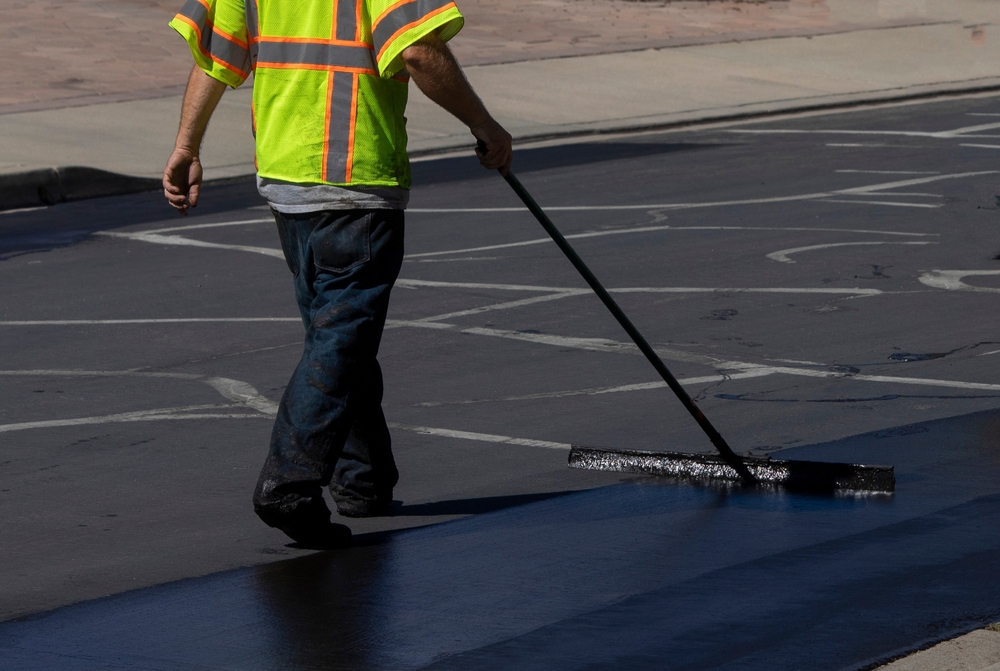
Eco-Friendly Sealcoating: What Property Owners Should Know
July 30, 2025
Sustainability is no longer a trend; it’s a responsibility. As property owners become more conscious of their environmental impact, maintenance practices like sealcoating are being re-evaluated through a greener lens. The good news is, yes, you can. Eco-friendly sealcoating offers the same protection and performance without compromising environmental safety. Whether you manage a commercial property,
Read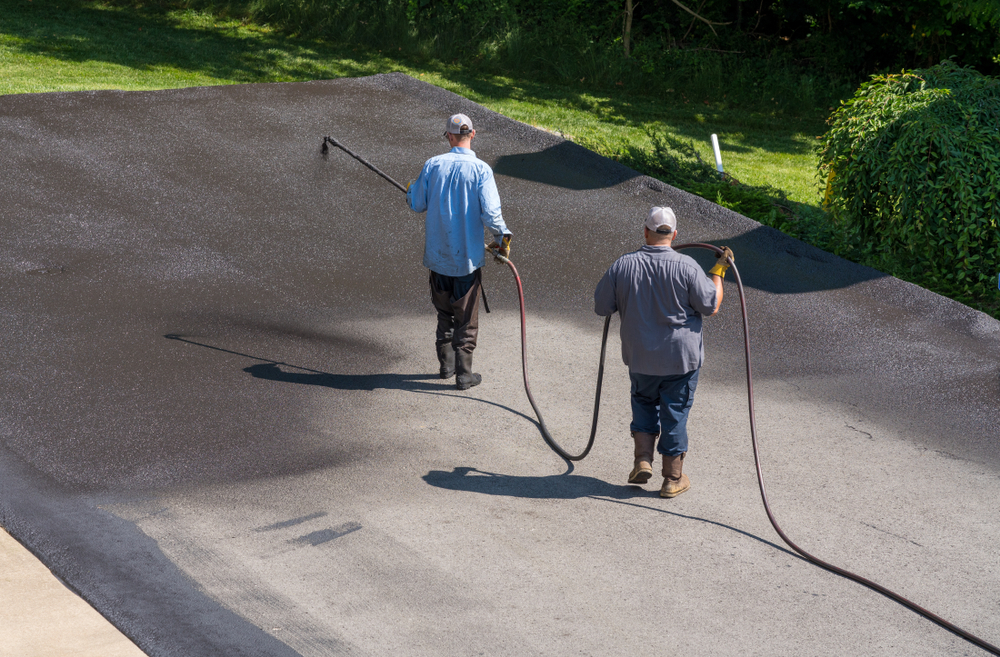
Sealcoating’s Role in Parking Lot Safety & ADA Compliance
July 30, 2025
Sealcoating is often seen as a routine maintenance task. But in reality, it plays a much larger role, especially when it comes to parking lot safety and ADA (Americans with Disabilities Act) compliance. Beyond protecting the asphalt from weather and wear, sealcoating helps create a safer, more accessible environment for every person who uses your
Read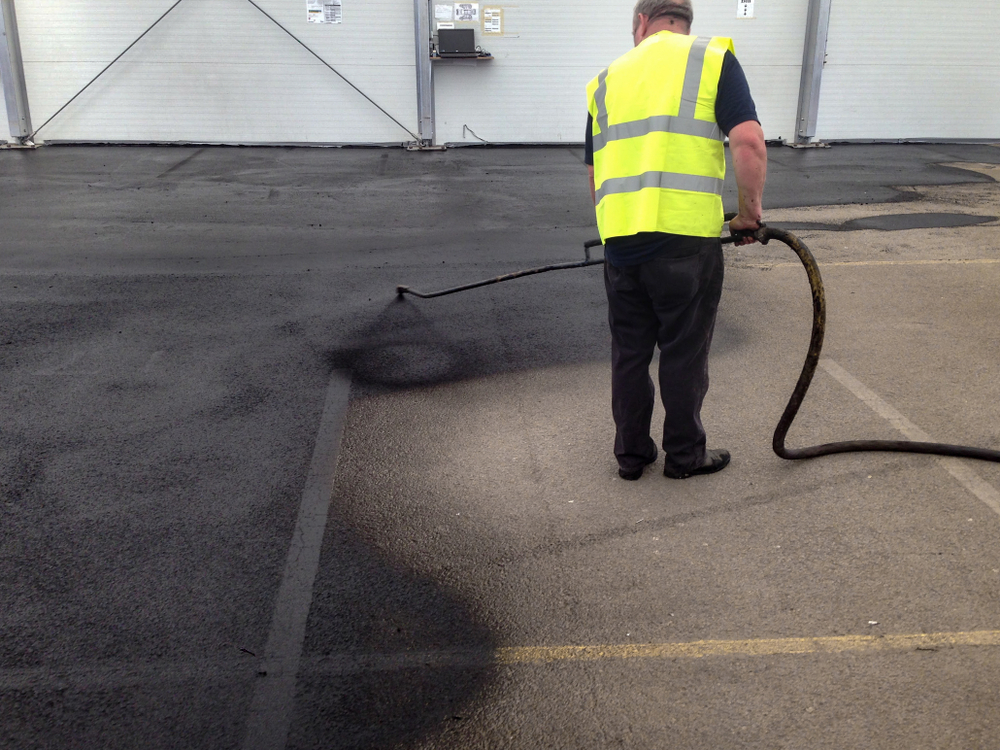
Post-Sealcoating Guide: Curing Time and Parking Tips
July 30, 2025
You finally had your driveway or parking lot sealcoated, and it looks perfect, smooth, dark, and brand new. But before you celebrate with a drive across that fresh surface, there’s one crucial thing to keep in mind: looks can be deceiving. Sealcoating may feel dry to the touch, but underneath, it’s still curing. Moving too
Read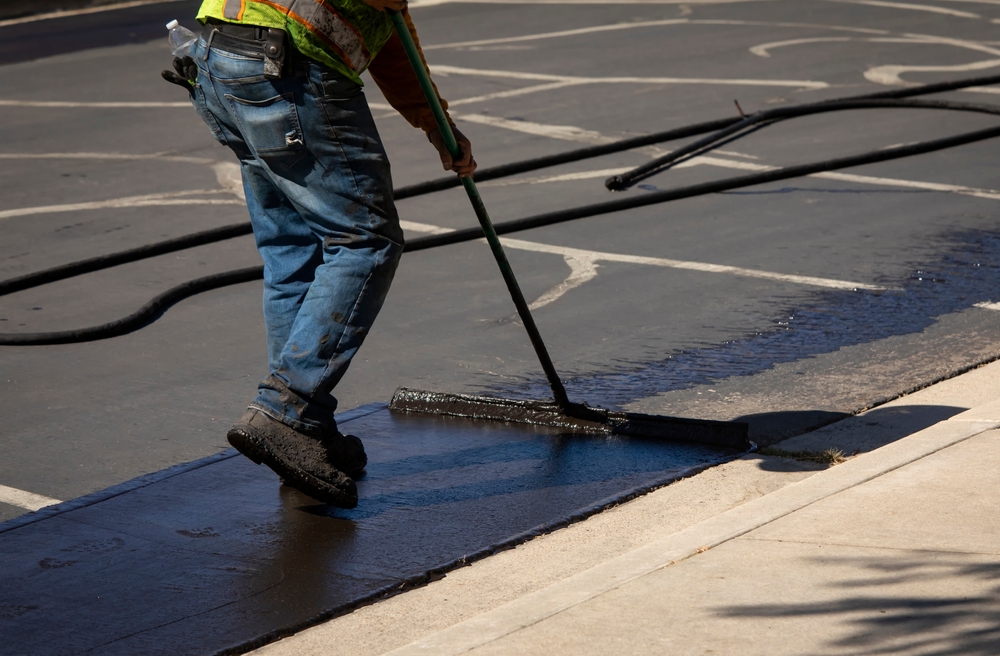
How Weather Conditions Impact Sealcoating Quality
July 30, 2025
Sealcoating gives asphalt a fresh, clean look while protecting it from weather, wear, and spills. However, achieving a smooth, lasting finish requires more than just the right materials. Timing is everything, and the weather can make or break the results. If the sealant goes down in cold, humid, or rainy conditions, it may never cure
Read
Top Questions to Ask Before Hiring a Concrete Contractor
July 30, 2025
Hiring a concrete contractor might seem straightforward, but one wrong decision can cost you thousands. Cracks, uneven finishes, delays, or surprise fees often come from skipping the vetting process. When damage does occur, deciding on a patch or repair is critical. However, the lifespan of that repair is highly dependent on the method and materials
Read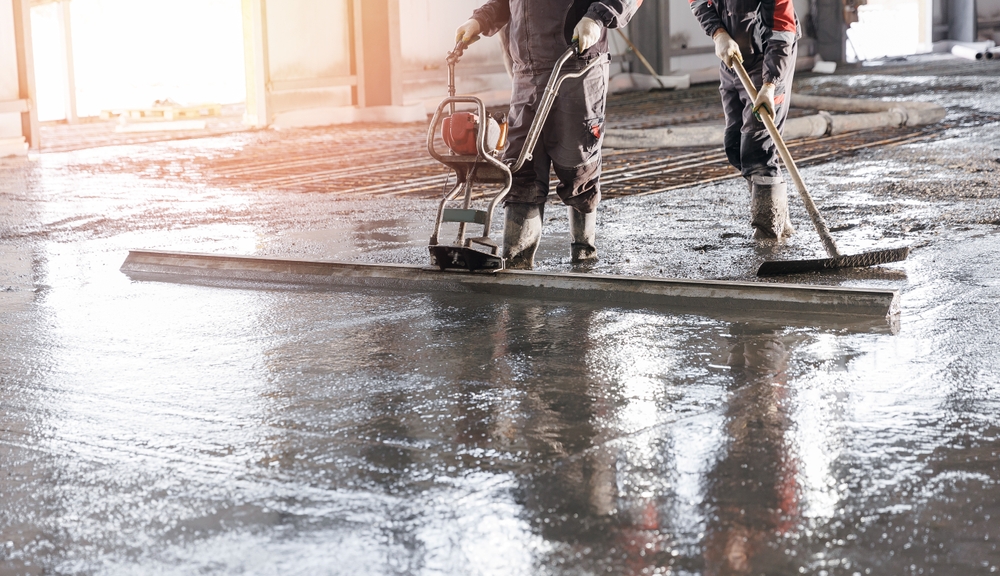
What Makes Commercial Concrete Different from Residential Concrete?
July 30, 2025
When you plan a new warehouse floor or a home driveway, you face a choice in concrete. Choosing the correct type of concrete starts with understanding how it’s used. Concrete for commercial buildings isn’t the same as that used for a home’s driveway or patio. The two may look alike at first glance, but they’re
Read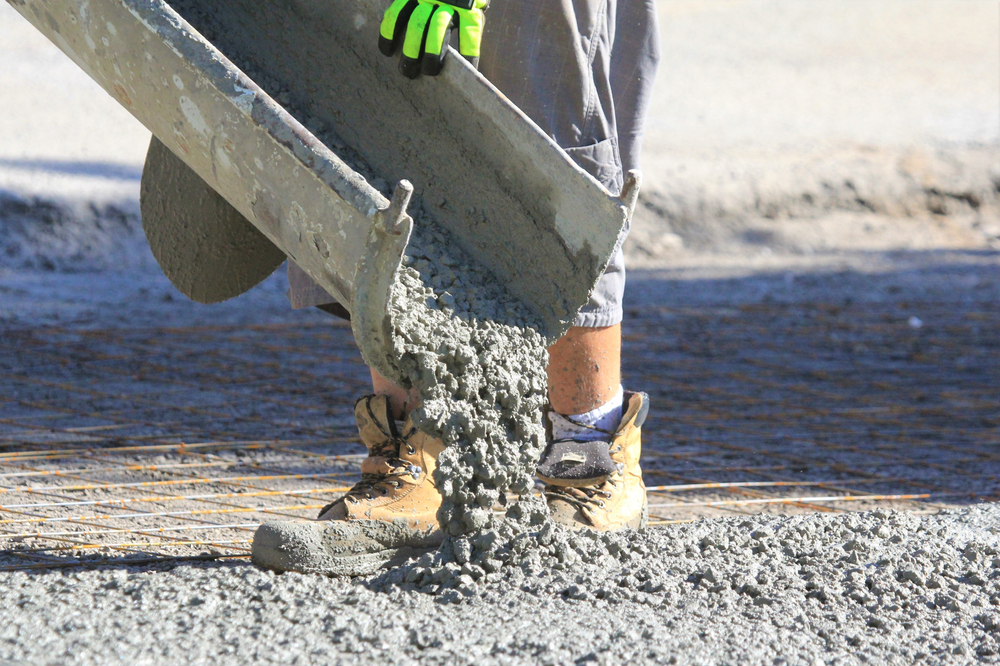
The Hidden Dangers of Uneven Concrete in Commercial Properties
July 30, 2025
Uneven concrete may seem like a minor nuisance at first glance, but for commercial property owners, it’s often a ticking time bomb. Whether caused by tree roots, weather, or poor installation, surface irregularities can pose severe safety risks, open the door to costly lawsuits, and lead to expensive emergency repairs. Identifying and correcting these issues
Read