
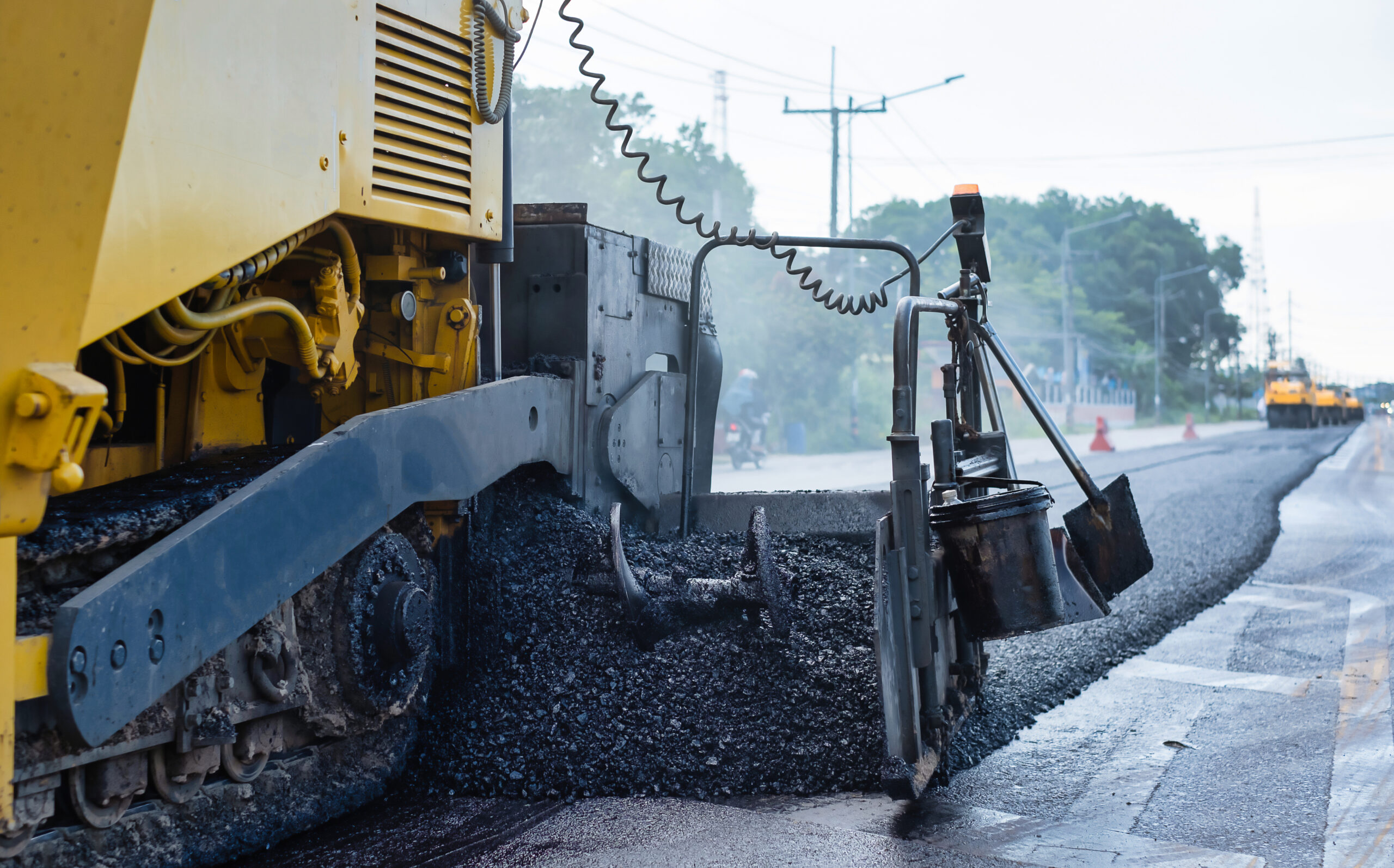
Denver’s Urban Growth: Why the City Needs Quality Asphalt Paving Services
October 5, 2025
Denver is experiencing rapid growth. New housing communities, expanding business districts, and large-scale development projects are changing the face of the city, so much so that the urbanized area of Denver expanded from about 150 square miles in 1950 to nearly 499 square miles by 2000 (U.S. Geological Survey). With this growth comes a pressing
ReadSeasonal Maintenance Checklist for Concrete Sidewalks
September 7, 2025
Your property’s concrete sidewalks are one of its most visible and hardworking assets. Yet, they are often overlooked until a glaring crack, uneven joint, or winter damage creates an urgent hazard. In fact, a single trip hazard can quickly escalate into a serious liability; according to Bureau of Justice Statistics–based data as per Forbes, the
Read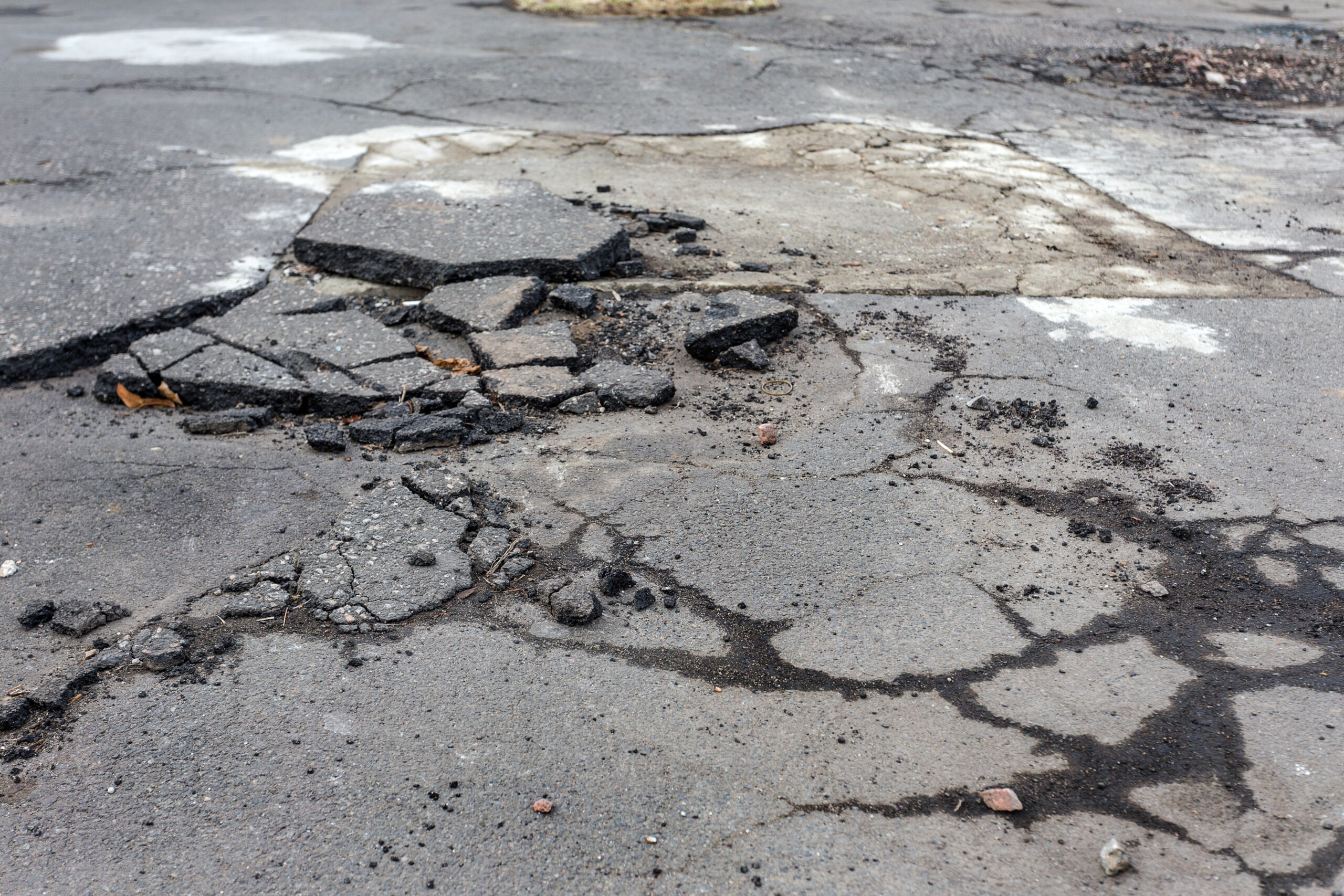
How Drainage Problems Lead to Pavement Failure
September 7, 2025
Drainage is one of the most critical factors in pavement performance. Even the highest-quality asphalt or concrete can fail prematurely if water is not adequately managed and controlled. When water seeps into cracks or remains on the surface, it weakens the pavement’s structure and accelerates deterioration. According to the Federal Highway Administration (FHWA), water infiltration
Read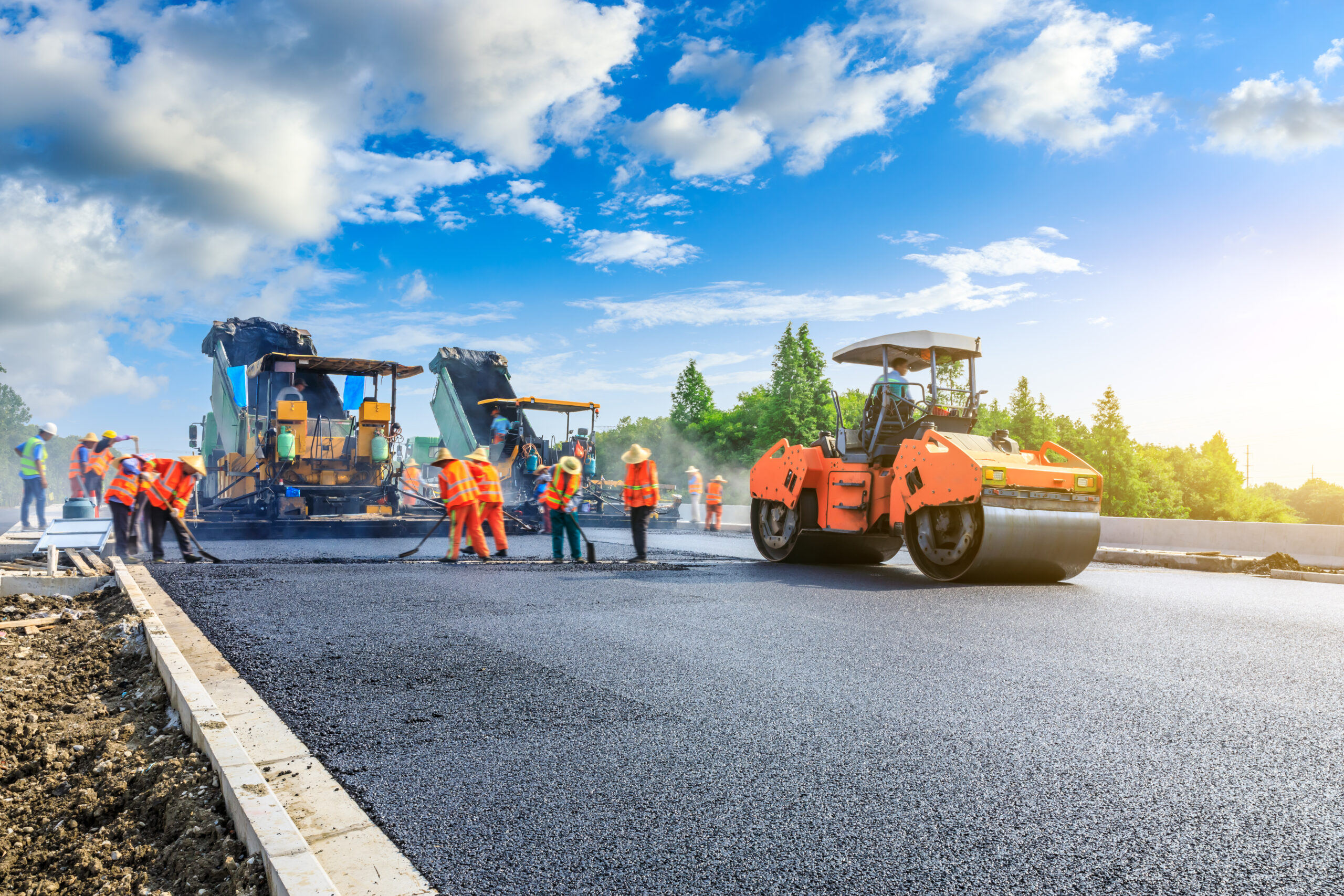
The Best Time of Year to Repair or Repave Asphalt
September 7, 2025
Asphalt repair and repaving are crucial for maintaining parking lots and roadways that are safe, durable, and cost-effective. However, beyond the type of treatment you choose, the time of year you schedule the work plays a crucial role in determining its duration. Temperature, moisture, and seasonal weather patterns directly affect how asphalt cures and performs.
Read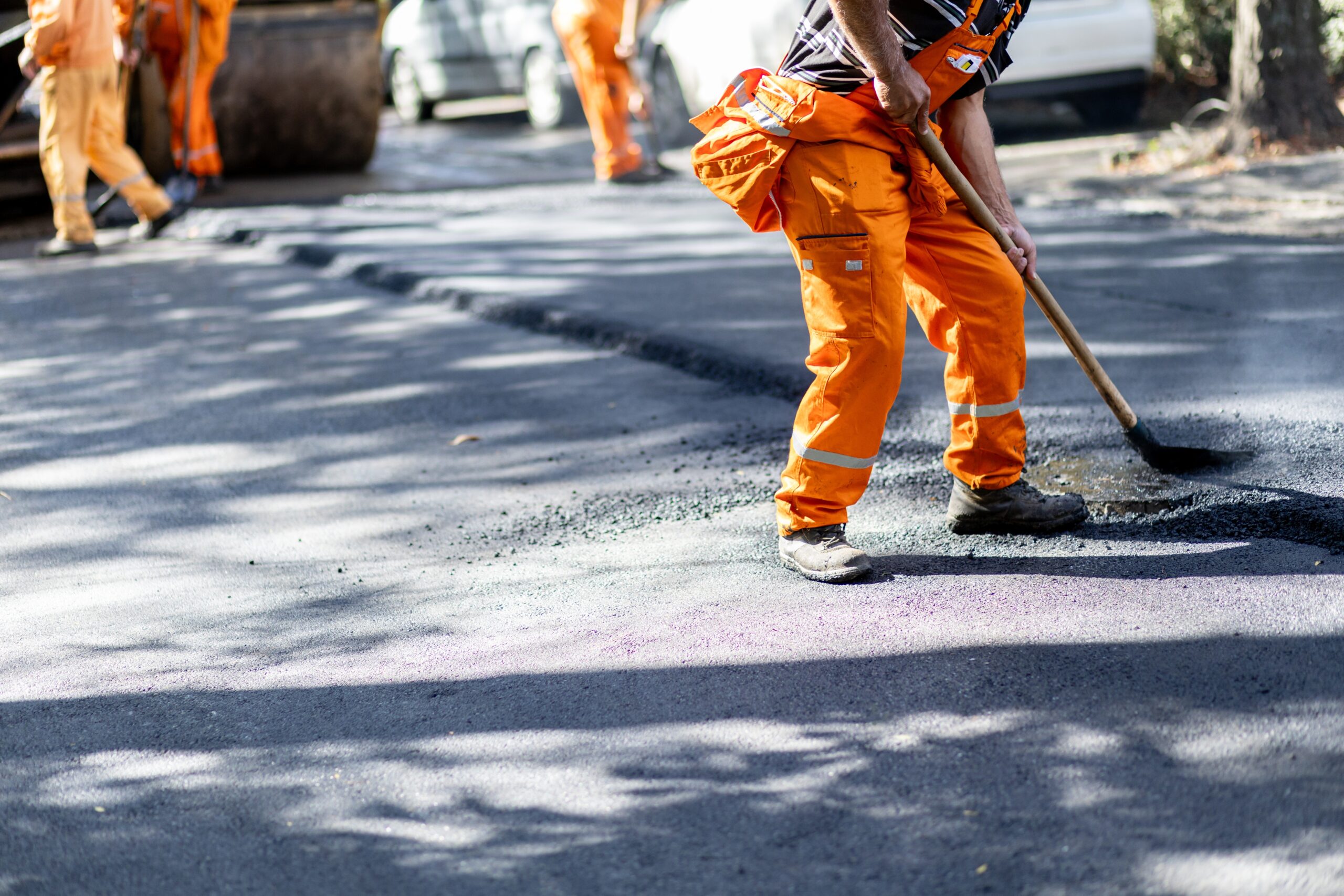
How to Tell If Your Parking Lot Needs a Full Resurface
September 7, 2025
A parking lot resurface is the process of applying a new asphalt layer over an existing lot to restore its strength, safety, and appearance. Unlike minor patching, resurfacing addresses both surface and structural issues, providing the pavement with a fresh start and extending its lifespan by decades. According to the National Safety Council (NSC), tens
Read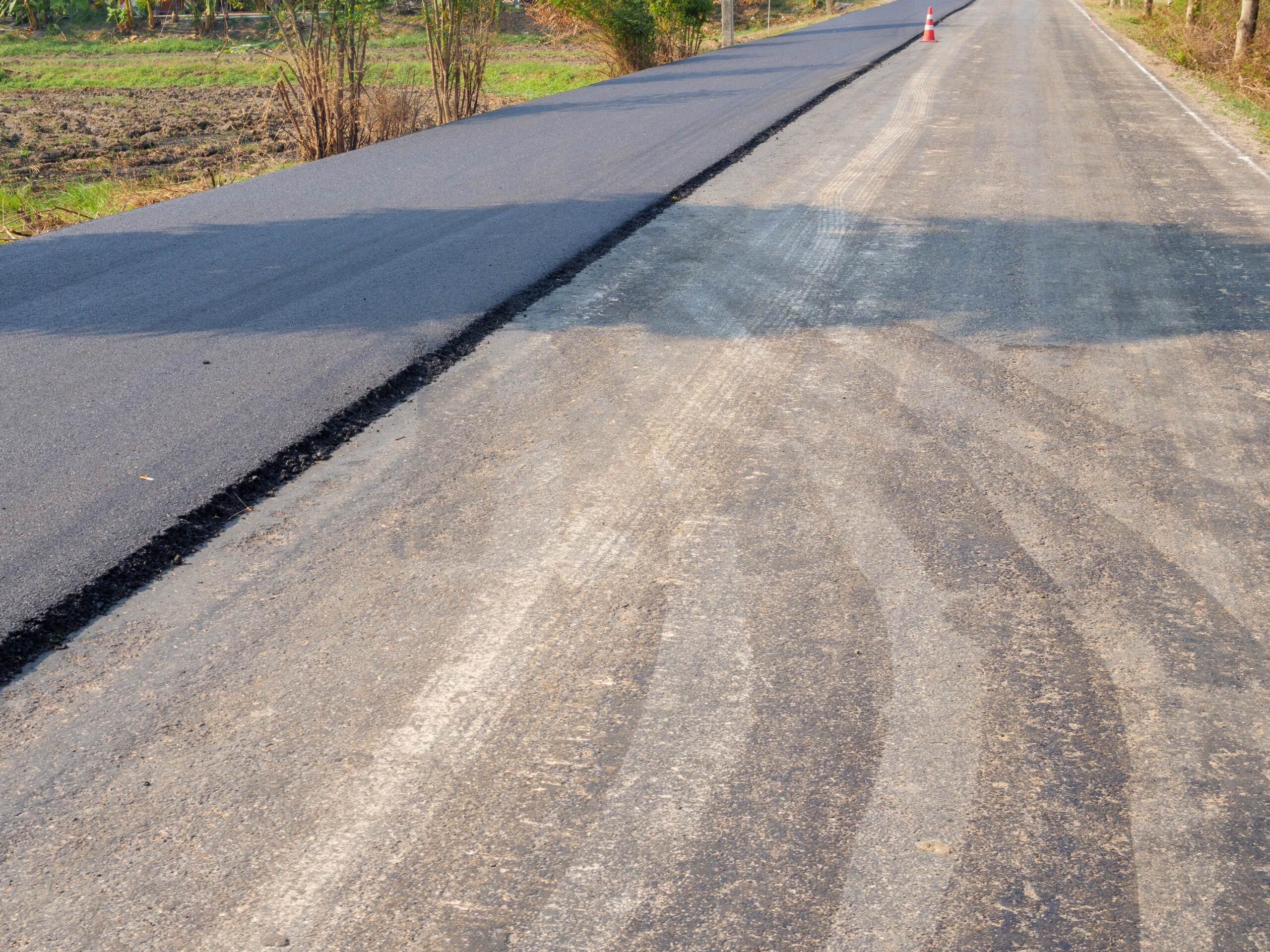
The Difference Between Sealcoating and Resurfacing
September 7, 2025
Homeowners, property managers, and business owners often face the same question: Should you sealcoat your asphalt or invest in resurfacing? While both processes extend the life of a driveway, road, or parking lot, they serve different purposes and are not interchangeable Roughly 93 percent of paved roads in the US are asphalt, so picking the
Read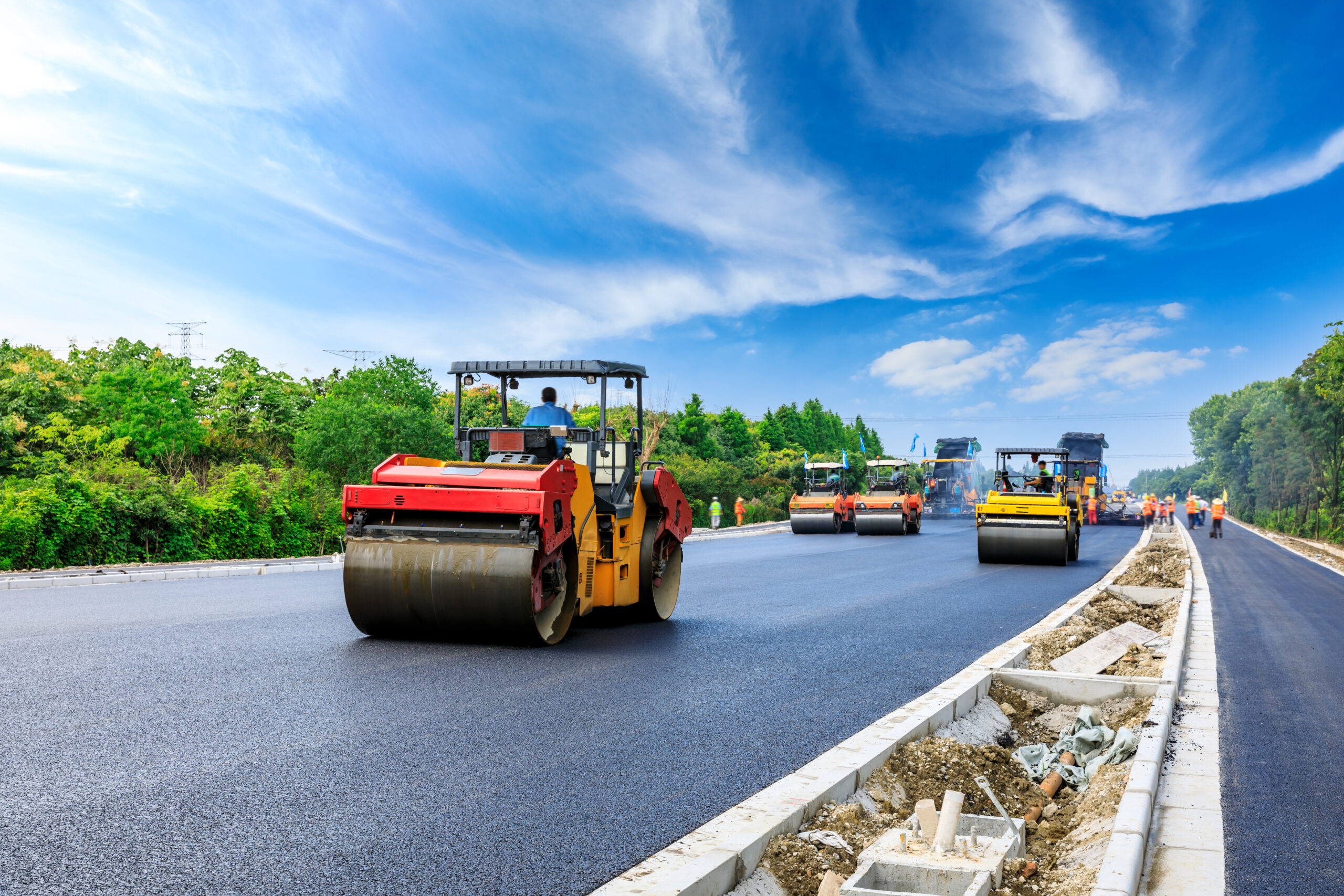
Does Your Business Need a Paving Contractor?
September 7, 2025
When it comes to maintaining a professional image and ensuring the safety of your customers and employees, the condition of your business’s paved surfaces plays a crucial role. A well-maintained parking lot, driveway, or sidewalk not only enhances curb appeal but also reflects your commitment to quality and attention to detail. In today’s competitive market,
Read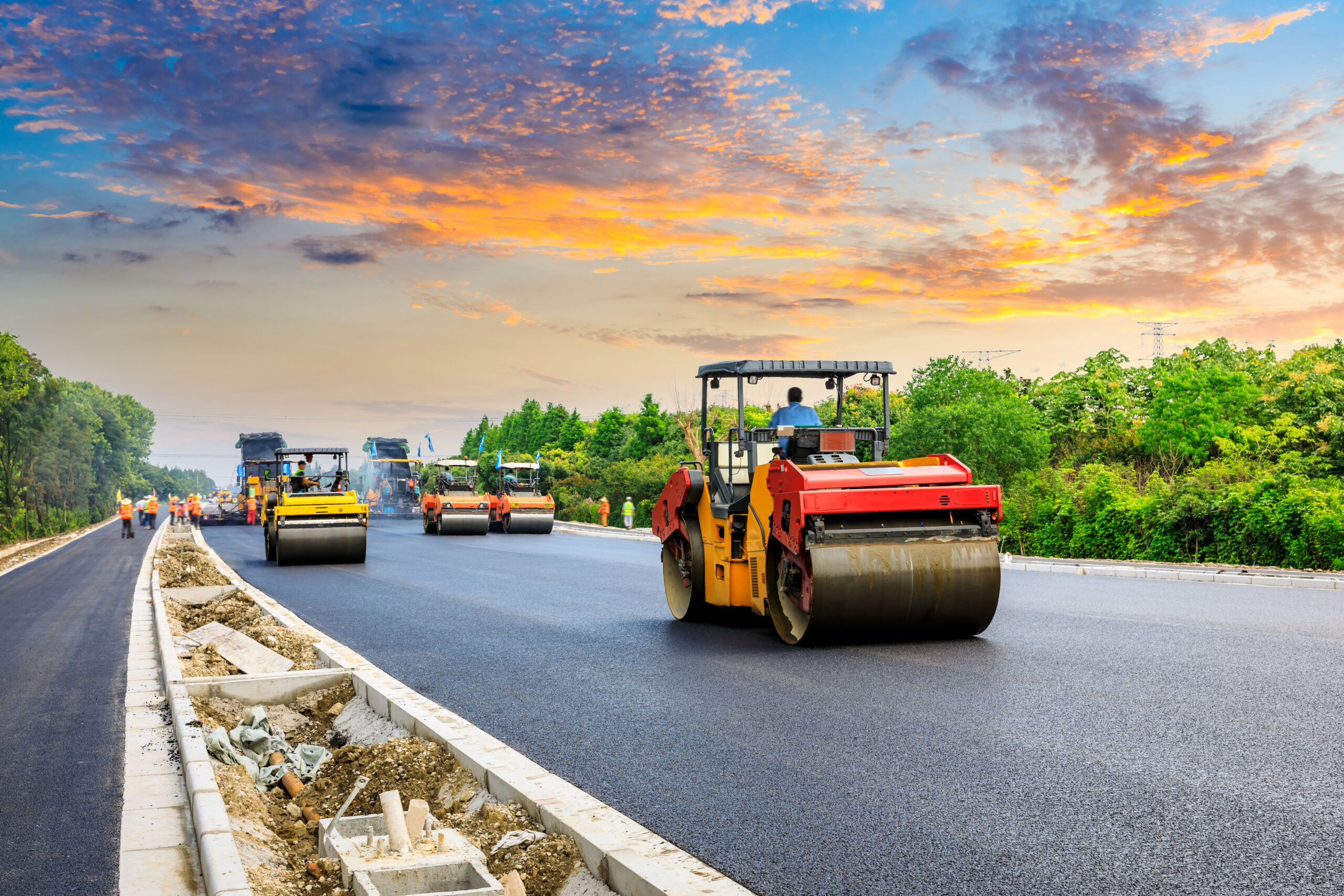
Top Signs You Shouldn’t Ignore Asphalt Damage
September 7, 2025
Your asphalt surfaces are a significant investment, directly impacting your property’s safety, curb appeal, and overall value. Whether it is a sprawling commercial parking lot or a vital access road, keeping the pavement in optimal condition is not just about appearances; it is about smart asset management. According to AAA, potholes alone cost U.S. drivers
ReadHow a Clean Parking Lot Builds Customer Trust
September 7, 2025
A clean parking lot is more than just a convenience; it’s a powerful tool that shapes customer perceptions and influences their decision to engage with your business. According to a study by Keep America Beautiful, there are roughly 50 billion pieces of litter on the ground in the United States, about 152 items per person,
Read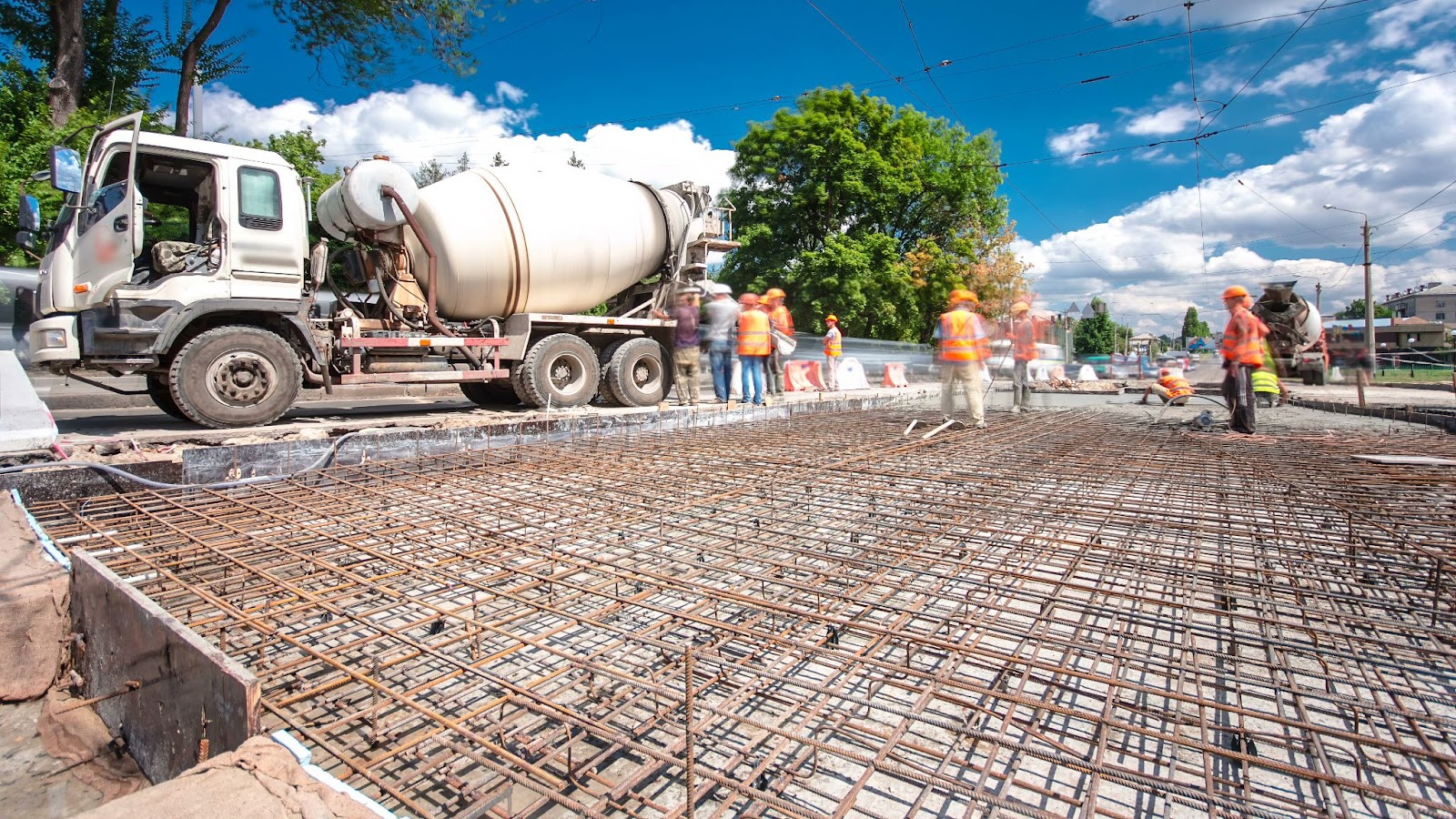
Concrete Solutions: Key Considerations Before Starting
September 6, 2025
Concrete solutions refer to a broad range of services and techniques involving the use of concrete to build, repair, or enhance various structures and surfaces. These solutions include everything from pouring new concrete foundations, sidewalks, and driveways to specialized work like installing curbs, gutters, stairs, and concrete pads. Its strength and longevity make it the
Read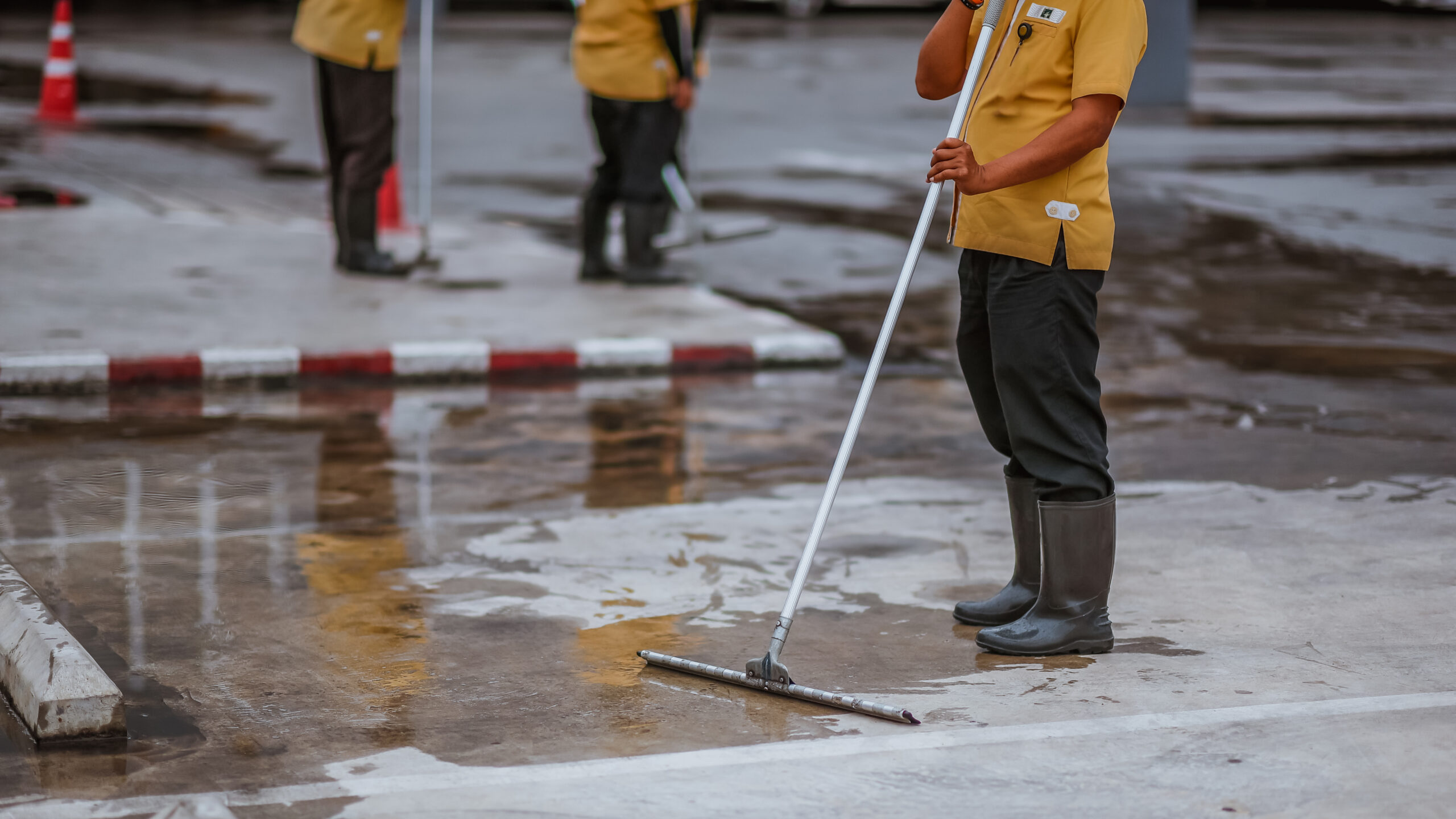
Parking Lot Maintenance Solutions: A Comprehensive Guide
September 6, 2025
Parking lot maintenance solutions such as striping, crack sealing, and sealcoating are vital for preserving safety, appearance, and structural durability. Preventive care offers a compelling return. Washington State Transport Center estimates that for every $1 spent on preventative pavement maintenance, between $4 and $10 is saved on rehabilitation, effectively extending pavement lifespan. This evidence highlights
Read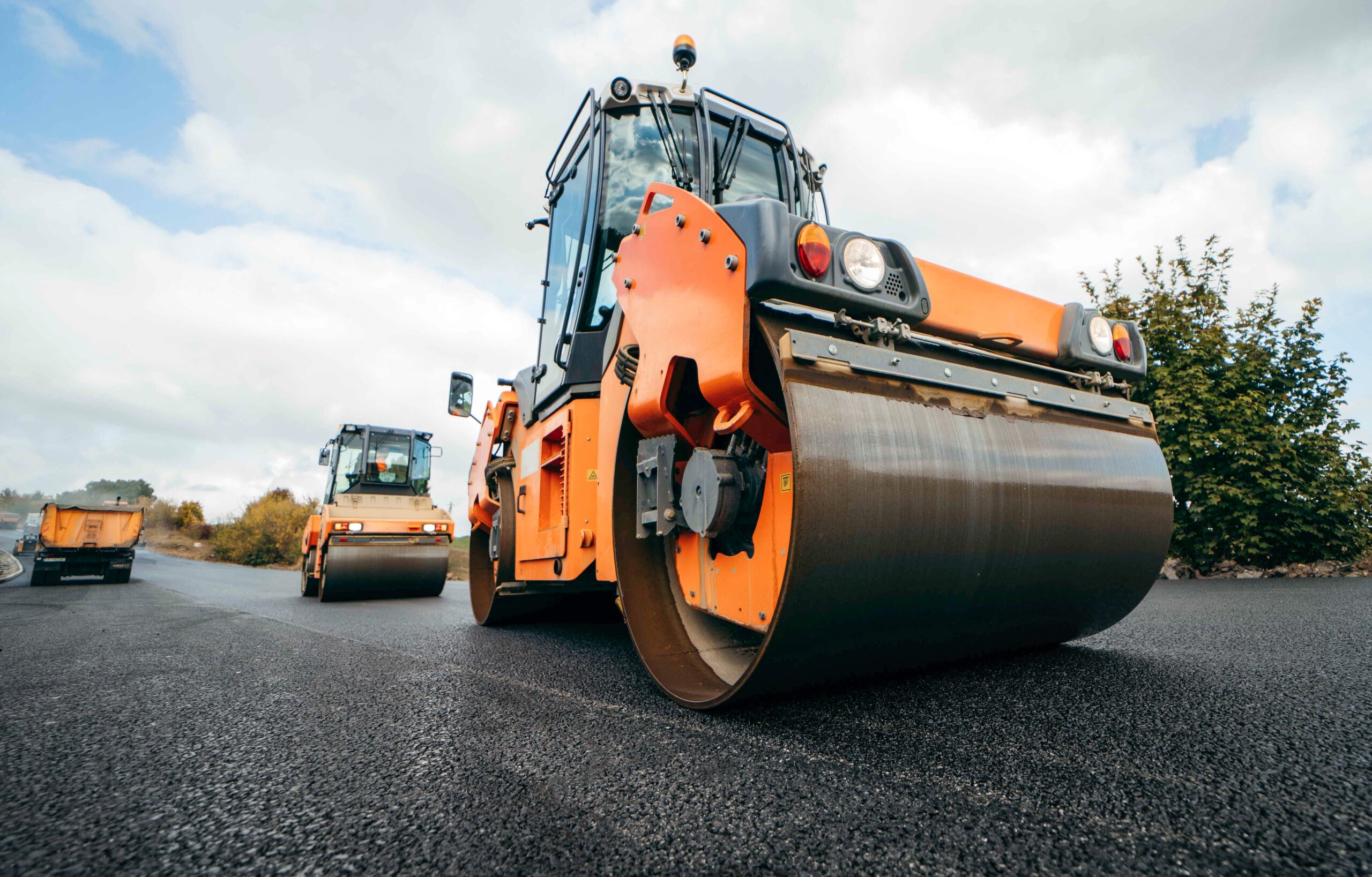
New Asphalt Construction: A Comprehensive Guide
September 6, 2025
Asphalt construction is the process of building paved surfaces, such as roads, parking lots, driveways, airport runways, and pathways, using asphalt, which is a mixture of aggregates (like crushed stone, sand, or gravel) bound together with bitumen (a sticky, petroleum-based material). Constructing new asphalt surfaces from scratch is the cornerstone of building strong and reliable
Read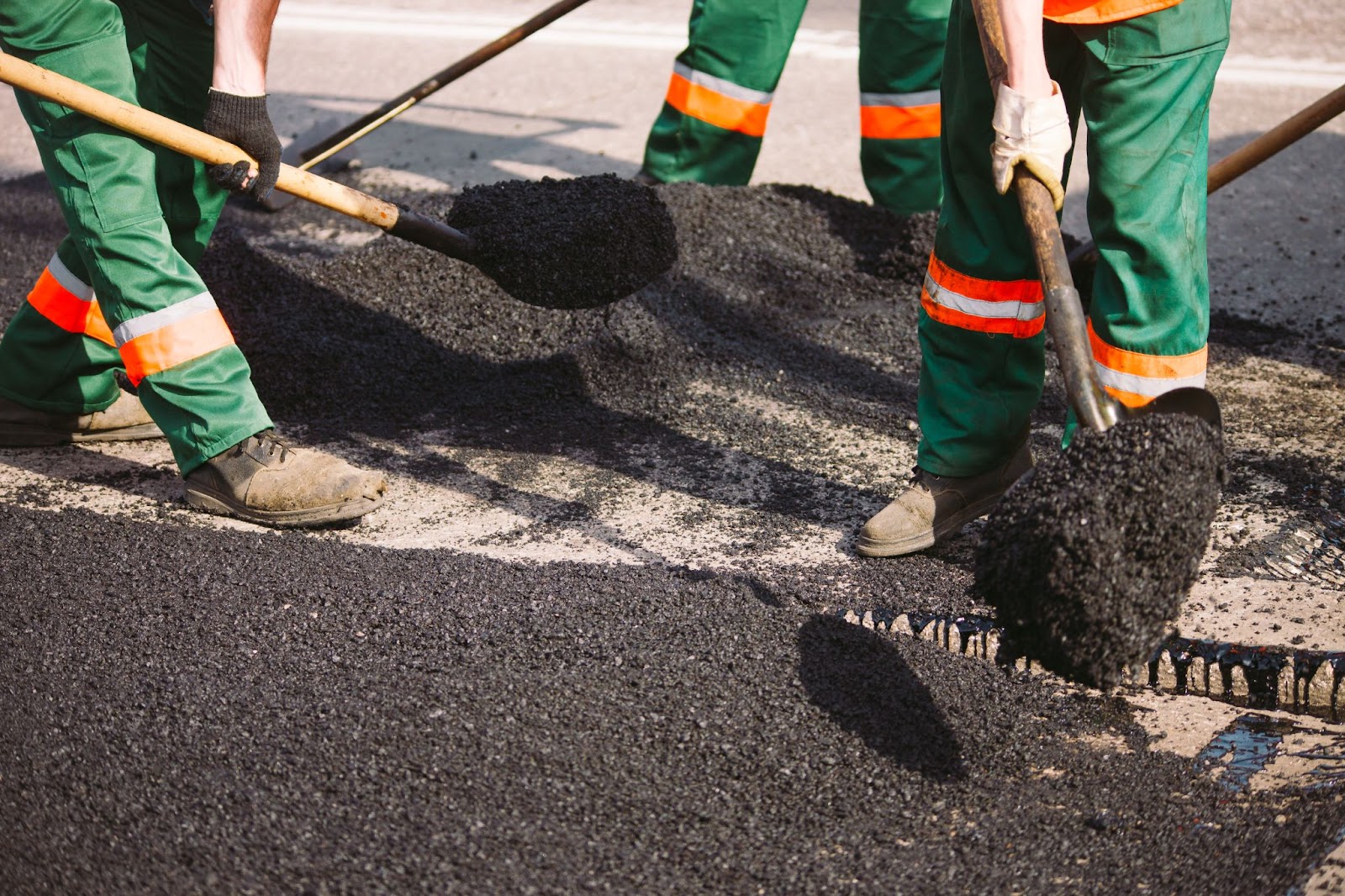
Asphalt Repair: Key Considerations Before Starting
September 6, 2025
Asphalt repair encompasses targeted techniques, such as crack filling, patching, seal coating, or resurfacing, designed to address damage or wear on asphalt surfaces without resorting to full reconstruction. These repairs are vital for preserving pavement integrity, extending its usable life, and preventing minor defects from escalating into costly replacements. According to industry estimates, the cost
Read